
- 10 storyboard shots
- WAN logo on hull
- Orchestral score
Official examples · 85
Wan 3.0 Prompts
Official prompts and the videos they made. Copy one, or send it to the playground.
Sign in with Google using a Gmail address and get $0.20 free, no card needed.
Prompts and videos come from Alibaba's official Wan 3.0 Creator Handbook
Featured Wan 3.0 prompts
- Four timed segments
- Calm wide shots
- Teal-orange grade
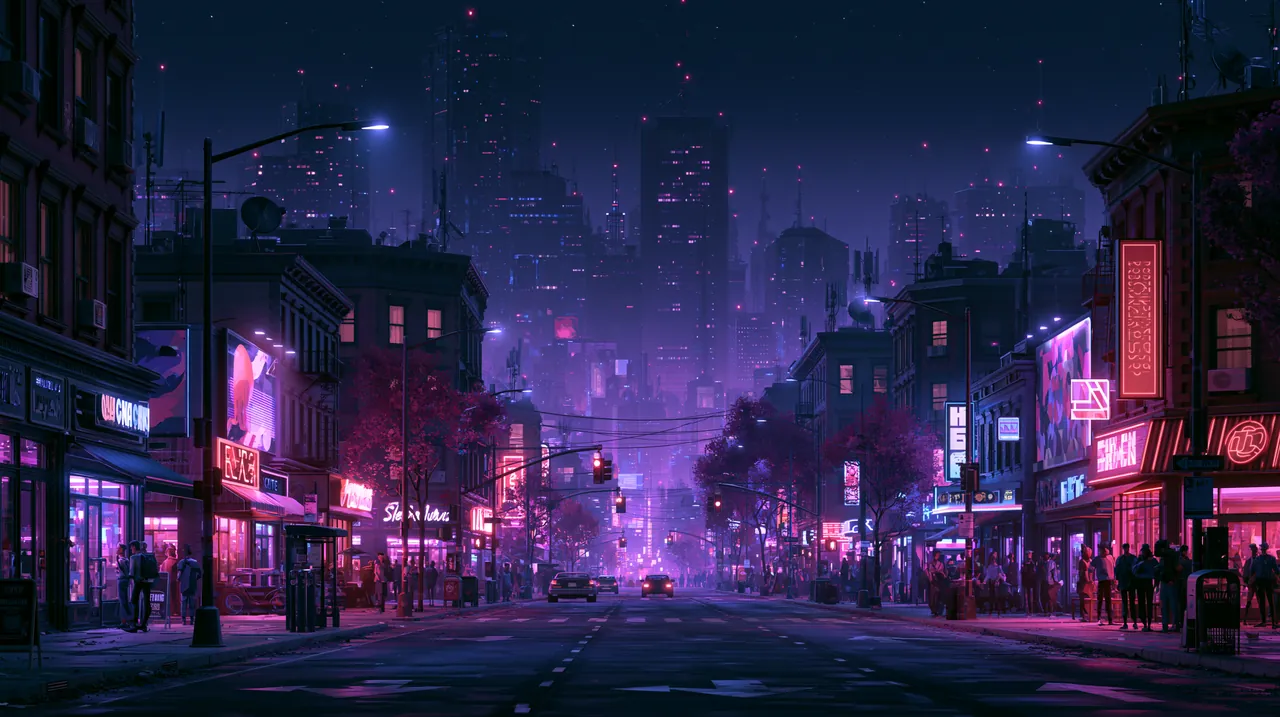
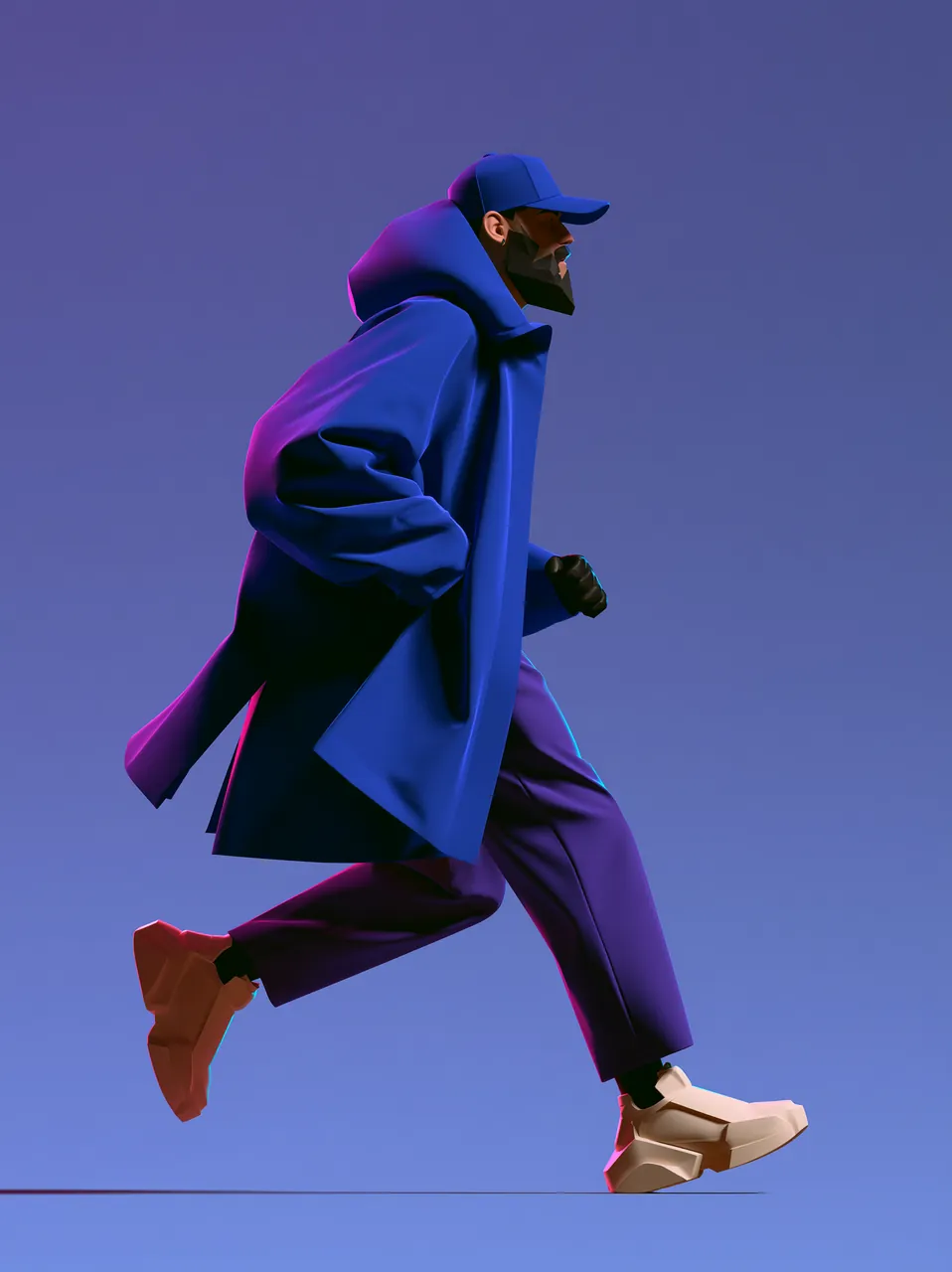
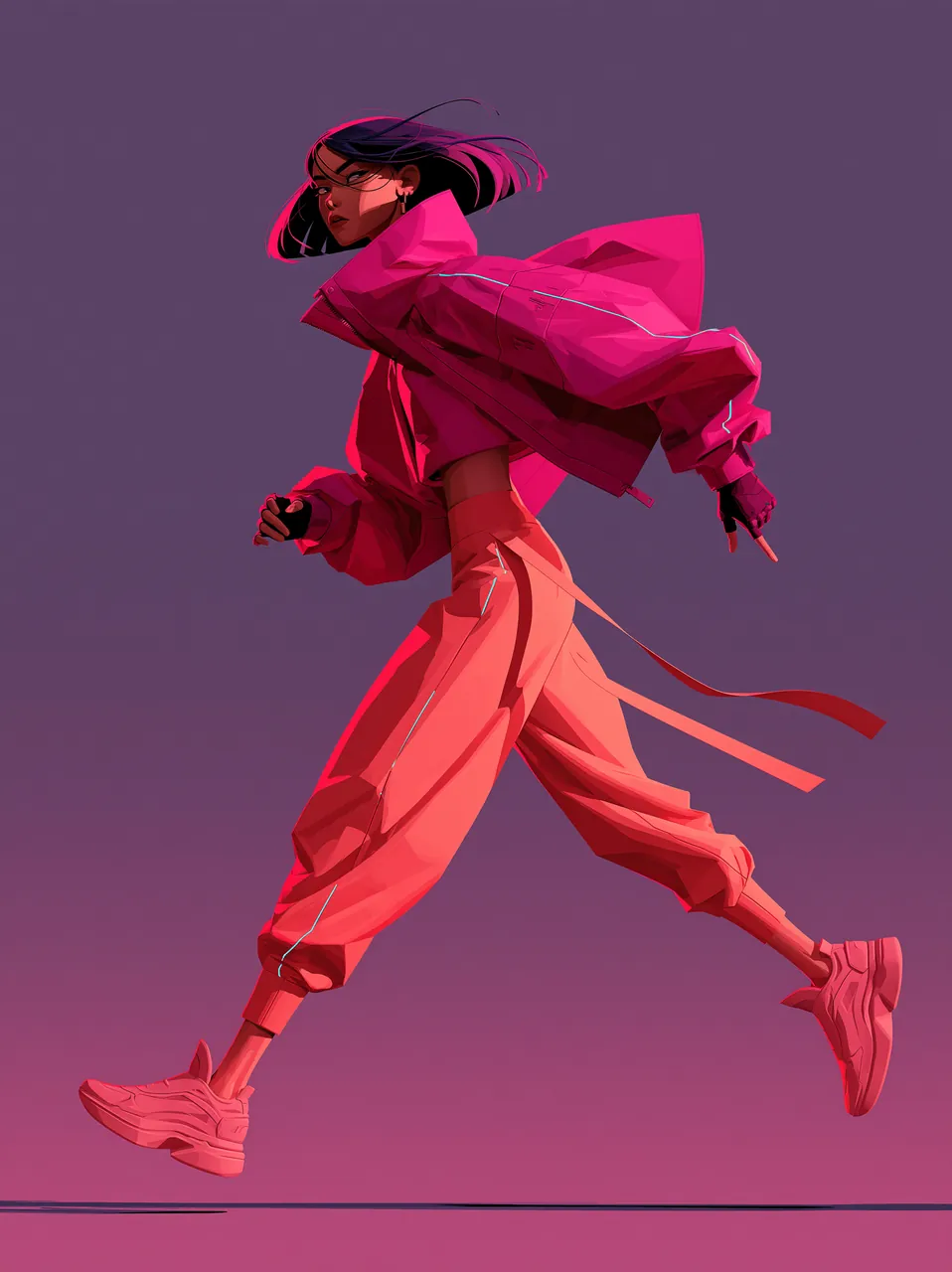
- One long take
- 4 timed segments
- Dunhuang-style score
- First-person POV
- 6 timed segments
- Hand-drawn MG overlay
Text to video
Whole clips written from a text prompt alone, up to 30 seconds and several shots long.
- Single close-up
- Handheld breath
- Natural light
This is a frontal close-up shot, mainly showing the head and upper body of a young Black girl wearing a blue graduation gown. The camera is shifted slightly, and a person on the left is visible, but the background is softly blurred and looks out of focus. The girl is speaking directly to the camera, her lips moving, brow slightly furrowed, her expression looking somewhat serious and worried. Light falls from above and outlines her face naturally, and the real texture of her skin is visible. The camera is fixed, but carries a slight breathing and shake like handheld shooting; her gaze slowly shifts from looking ahead to looking down at something in her hands.
- One long take
- Cold green grade
- Ambient sound
A modern suspense cinematic long take with a strong pale-green filter that creates a cold, clear atmosphere. Under cold white fluorescent light, an empty hospital corridor shows low-saturation colors and extreme contrast between light and shadow, sharp and impersonal. The camera starts behind the nurses' station, as a woman in a dark green jacket bursts out from a door at the end of the corridor and runs quickly toward the lens along the symmetrical center line, while the camera dollies smoothly backward. Her footsteps are rapid and loud, and she calls out anxiously. Finally she reaches the counter, slams both hands down on it, looks around in despair, and lets out a nearly breaking cry for help that echoes through the silence, broken only by the faint hum of equipment.
- 30s one take
- Fast pans
- Dialogue reversals
Shot 1 [0s–30s] Close-up, eye-level angle, continuous fast pans, one take (single shot, seamless continuous camera movement): On the left of the frame is a director wearing a black trendy director's vest and a premium professional headset; a huge professional film camera sits at his lower left. On the right is a well-connected young idol with polished makeup, a fashionable Korean-style comma bang, and a custom-tailored suit. The background is a spacious professional studio set, with a huge green screen, several tall film-grade C-stands, tangled cables, and busy lighting technicians and makeup artists moving through the background. Professional studio artificial light. Soft LED softbox light falls in from the right, evenly lighting the faces of the three main characters, with rich, full colors across the scene. The camera gear and green screen in the background cast faint shadows under the ample studio light, giving the real, busy texture of a modern large-budget film set. Handheld one-take shot, close-up. At the start, the camera shoots the director. With an indifferent expression, he glances at the idol standing diagonally off-frame to the right and gives an order, saying: “The media is deliberately slandering you, make a face and let’s see.” After he finishes, the camera quickly pans right to a close-up of the idol's face, with no cut. The idol faces diagonally off-frame toward the director on the left, calm and composed, his eyes sincere and confident. His lips move slightly, and he explains professionally to the other side: ““Of this kind of matter, emotions can come in several types,” and as he speaks his head shows a very slight natural sway. After he finishes, the camera quickly pans left to a close-up of the director's face, with no cut. The director thinks for a moment, tilts his head in a provocative way, and says to the idol: ““Paparazzi exposed you meeting someone late at night,” and right after the director finishes his line, the camera quickly pans right to a close-up of the idol's face. The idol still faces the director diagonally off-frame on the left and quickly slips into performance mode: his brow tightens, his eyes dart around in panic and anxiety, and then he bites his lower lip hard, closes his eyes, and his whole face (despite the polished makeup) tightens with extreme anxiety, perfectly showing the inner struggle of terror and tension as he faces the destruction of his idol career. After the performance, the camera quickly pans left again to a close-up of the director, with no cut. The director's expression changes slightly, and he speaks faster, saying: ““The media cleaned you up again, saying that’s your real older sister!” After the director finishes, the camera quickly pans right again to a close-up of the idol, with no cut. Within a thousandth of a second, the idol's expression makes a dramatic transformation. First his face freezes, then his eyes suddenly narrow, and his mouth corners stretch wide, showing a row of white teeth, forming an extremely exaggerated, even slightly distorted, ecstatic smile. This frenzied emotion, where the despair of a shattered career and the thrill of being freed from restraint tangle together, twists visibly across his face. After the character's performance, the camera quickly pans left again to a close-up of the director, with no cut. The director says: “Your older sister revealed to the media that you were adopted.” After the director finishes, the camera quickly pans right again to a close-up of the idol, with no cut. Inside the frame, the idol still faces the director diagonally off-frame on the left. His eyes flare wide, his eyeballs bulge, his carefully trimmed eyebrows rise high, and his mouth opens into a shocked “O” shape. Right after, the corners of his mouth again pull upward, uncontrollably, into a complex look of disbelief and lingering fright. After the character's performance, the camera quickly pans left again to a close-up of the director, with no cut. Right after, the director shows a slightly surprised look and says: “Actually, you are the real young master of a billion-dollar wealthy family.” When the director finishes, the camera again quickly pans right to a close-up of the idol, with no cut. Inside the frame, the idol still faces the director diagonally off-frame on the left, and he instantly bursts into an extremely unhinged ecstasy. He trembles slightly with excitement, his eyes squeezed into thin slits from laughing, and he even raises both hands to his chest, clapping rapidly and continuously in small motions, leaning forward and swaying, fully acting out the wild joy of becoming rich overnight and being unable to contain it. After the character's performance, the camera quickly pans left again to a close-up of the director, with no cut. The director says: “Your sister took the money and ran.” When he finishes, the camera quickly pans right again to a close-up of the idol. The idol still faces the director diagonally off-frame on the left. His eyes widen again, his pupils tremble, the corners of his mouth droop, and within one second his expression falls from heaven into hell, filled with astonishment, pain, and helplessness. The frame ends by freezing on this expression.
- Timed segments
- One-take motion
- Street style
This is a 30-second cinematic, high-intensity one-take visual spectacle, styled as “West Coast street fantasism,” blending the gritty texture of 1990s street skate videos with the polish of modern commercial blockbusters. The overall image uses an extreme “California sunshine” cinematic grade: highly saturated blue skies contrast with palm tree shadows under direct sunlight, and the air is filled with the heat of asphalt, the metallic rattle of shopping cart wheels, and a fearless spirit of youthful rebellion. Spatial perspective is stretched continuously as the protagonist races forward, and the camera builds strong visual impact through low-angle tracking and highly dynamic physical movement. The protagonist is a stylish, cool teen in a color-block striped shirt and a black baseball cap, whose expression shifts instantly from lazy relaxation to a frenzied rush to break every limit. In the second scene, the protagonist is the same boy, but he appears in the real dimension as an “observer.” Shot 1, 0–6s: The opening is a close-up: the boy lazes in a red metal shopping cart, with the iconic straight California avenue and towering palm trees behind him. As the music's rhythm bursts, the camera executes a rapid pull-back and dips to the ground, hugging the wheels at a very low angle. The boy begins to plunge down a steep road. The cart jolts violently over the surface, cars on both sides rush backward, and the lens captures an almost frenzied sense of acceleration. Shot 2, 7–15s: No cut. The camera follows tightly at ground level, like a skateboarder. As the boy passes over a simple wooden ramp, the lens executes a graceful parabolic lift. The cart leaps into the air, and the camera passes beneath it. At this moment a huge commercial billboard quickly fills the view, and the lens pushes in with incredible “crosshair” precision, aiming straight at the center of the billboard. Shot 3, 16–24s: No cut. The boy and his cart plunge straight into the giant billboard, as if breaking through the fourth wall. His three-dimensional body flattens the instant it touches the poster, and real paper-tearing textures and colorful glitch-ink smears appear on screen. The boy keeps his gliding posture, yet becomes a flat artwork on the billboard. At this point the camera performs a 180-degree horizontal orbit, then dives from high above and drops back to the ground. Shot 4, 25–30s: No cut. The lens descends smoothly to the street directly beneath the billboard, where another “real” boy appears. He stops, slowly lowers his cap brim, and looks up with a playful smile at the “frozen” version of himself on the billboard. The camera follows his gaze with a fast zoom-in, finally settling on the torn hole beside the “WAN” lettering on the billboard. The background music blends energetic hip-hop rhythm with the physical sound of film reels turning, and the visual information is highly condensed and full of stylish rebellious energy.
- 7 timed segments
- FPV tracking shots
- Red command overlays
Generate a 30-second, 16:9 landscape adult sci-fi war animated short. The visual style: hyper-realistic CGI; bio-mechanical structures; grey-white bone fused with black metal; insect-like jointed limbs; extremely fine bone texture; dried blood stains, ceramic cracks, and industrial oil grime; an abandoned future city; cold grey daylight; a small amount of toxic green life forms; high-contrast cinematic lighting; low-saturation cool palette; very limited orange-red for flames and alarms; realistic physical destruction; oppressive, heavy, with no heroism. The characters no longer have complete bodies. They are mainly made of: human spines; ribs; skulls; black hydraulic muscles; metal joints; neural optical fibers; weapon interfaces. The skeletons are not zombies, but “legacy hardware” that the military-industrial system keeps using. 30-second storyline and dynamic timeline 0–4 seconds | Still fighting after death The camera opens on a soldier's identification tag falling into a puddle. In the distance, mechanical footsteps. The water surface trembles as a three-meter-tall skeletal war machine strides over the frame from above. The camera rushes low along the ground, moving up its mechanical foot, hydraulic calf, and exposed spine, and finally stops at the interface at the back of its skull. A red command keeps flashing inside the interface: ADVANCE The city behind is empty, but in the distance the skeletal army is still in combat. 4–8 seconds | Automated war in a ruined city The camera suddenly bursts out from behind the war machine's shoulder and enters the city streets. Dozens of skeletal war machines fight among abandoned high-rises: automatic cannons unfold between the ribs; spines bend backward to absorb recoil; after a skull is shattered, the body keeps walking; black drones fly around the corpses like flies; tattered billboards still broadcast a recruitment ad for a war that has already ended. The camera passes through the firefight on a high-speed FPV path: it threads between the skeletal ribs; it skims past the sides of bullet trajectories; it flies past an overturned armored vehicle; it rolls rapidly to avoid a falling floor slab. 8–12 seconds | A flower appears The protagonist skeletal war machine suddenly stops. In a crack in the concrete by its feet, a tiny pale-green flower is growing. All ambient sounds briefly drop. The camera rapidly pushes from the distant war scene into a macro close-up of the flower: the petals are translucent; fine pulses move inside them; a dewdrop reflects the shattered skull of the war machine; its mechanical foot nearly stomps down, but stops with one centimeter to spare. The war machine's head slowly turns, and the red command starts flashing error codes. 12–16 seconds | The first defiance of programming Distant cannons lock onto the protagonist. It does not advance. Instead it crouches, using its ribs and mechanical arms to wrap around the flower. Shells come flying in. The camera executes a rapid 180-degree orbit around the protagonist. The shells whistle past the lens and strike the building behind. The explosion's shockwave kicks up dust. Part of the protagonist's skeleton is blown apart, but it still shields the flower with its body. The red command changes to: OBJECTIVE LOST 16–21 seconds | The skeletal army turns All the war machines around stop fighting at once. Their skulls mechanically turn toward the protagonist. Hundreds of red targeting points land on its body. The protagonist slowly stands up and hides the flower inside its hollow chest. The ribs close like a cage. The camera shoots from inside the chest, looking outward through the ribs as the entire skeletal army begins its charge. 21–26 seconds | Desperate escape The protagonist suddenly turns and runs at high speed. The camera hugs its back: it passes through a collapsed subway entrance; it leaps down from broken tracks; the skeletal army pours in from behind; one of its legs is shot off; it keeps crawling forward with its mechanical spine and arms; the flower in its chest keeps emitting green light. Inside the subway tunnel, the camera rolls wildly and continuously as it follows the protagonist into a narrow maintenance duct. 26–30 seconds | Reversal The protagonist hides in a dark underground facility. It opens its ribs, and the flower has grown a large number of tiny roots. The roots rapidly pierce its neural interfaces. Green light spreads from the chest outward along the spine, through the entire body. For the first time, the war machine lifts its head, as if it has gained a new consciousness. The next second, hundreds of thousands of the same green flowers light up deep underground. All of them open at once, revealing structures inside that look like eyes. A new command appears on the system interface: GERMINATION COMPLETE The screen immediately cuts to black. Camera design opening with a low-angle macro shot; close tracking along the ground at high speed; passing through the inside of the ribs; directional camera shake during explosions; large orbit moves when the protagonist defies programming; continuous low-altitude FPV during the escape; the final shot pulls back fast from an extreme close-up of the flower, revealing the entire underground ecosystem. Key points of motion the bone joints must feel heavy; after fractures, movement must still follow mechanical logic; the ribs open and close like protective pods; the contrast between soft flower and hard machine; the war scenes must not be just background explosions; they need full spatial traversal.
- 10 storyboard shots
- WAN logo on hull
- Orchestral score
This is a 30-second, real cinematic sea monster reveal, with an overall atmosphere inspired by Hollywood disaster monster blockbusters. The story begins with a small fishing boat struggling through a storm with huge waves and howling wind, and the letters “WAN” are clearly visible on the hull. The camera first establishes the harsh sea conditions and the tiny, fragile state of the boat, then gradually builds pressure through details such as abnormal stirring of the sea surface, shadows underwater, the boat shuddering, and unnatural swells rising from the waves. Finally, a massive deep-sea beast, similar in look to a Pacific Rim-style kaiju, bursts out of the seabed through the waves. Overall, the look must be realistic, heavy, with true-to-life proportions, strong water impact, a high-contrast atmosphere of storm and lightning, and an emphasis on cinematic special-effects texture, the volume of seawater, wet kaiju skin details, and the oppressive sense of giant scale. Storyboard 1: Night, stormy sea, real cinematic texture. A wide shot shows a small fishing boat pushing forward through giant waves. The hull is old and slick, constantly slapped by the sea, and the white letters “WAN” are clearly visible on its side. The sea surges violently, wind lifts sheets of rain, storm clouds churn in the sky, and distant lightning briefly lights up the whole area. The frame emphasizes real seawater, the stormy environment, hull details, and a sense of smallness and helplessness. Storyboard 2: A medium-close shot moves toward the bow or the side of the deck. Waves slam violently against the hull, seawater rushes across the deck, and ropes, fishing nets, and metal railings swing wildly in the wind and rain. The camera rolls with the boat's motion, creating a realistic sense of shaking, and rain constantly hits the foreground and the surface of the boat. The WAN logo on the hull briefly enters the frame again. The overall look emphasizes realistic materials, harsh weather, wet metal and wooden structures, and a strong sense of survival crisis. Storyboard 3: The camera looks out over the sea from the fishing boat's point of view. In the storm, the originally chaotic waves begin to show unnatural huge swells, as if something colossal is rapidly approaching from the seabed. The surface forms massive whirlpools and abnormal churning, wave crests are pushed up from below, and the seawater flows in disordered directions. When lightning illuminates the sea, a faint, enormous dark shape is barely visible far beneath the surface. The frame highlights suspense, the oppressive sea surface, and the horror-omen of a giant closing in. Storyboard 4: A live-action realistic shot cuts to the fishing boat's deck. The crew struggles to keep their footing in the storm, faces wet with rain and full of terror, turning to look at the abnormal sea. Wind blows at raincoats and hair, deck lights sway, and the waves behind keep rising. The camera moves quickly toward the character's face, then follows his line of sight toward the distant churning sea, linking emotion with danger. The overall look strengthens the on-the-spot feeling of a disaster film and the character's smallness. Storyboard 5: The camera cuts to a half-underwater or low shot close to the sea surface. Between the storm and the surging waves, an enormous black shadow sweeps quickly past from beneath or beside the fishing boat, stirring up huge bubbles, currents, and a lifting of the sea surface. The fishing boat is suddenly thrown upward or tilts violently, and the hull groans under the strain. The faint light from lightning and the boat's lamps only outlines part of the monster's silhouette, keeping it mysterious yet very oppressive. Storyboard 6: The camera returns to the sea surface. Ahead, the water is suddenly pushed upward as if by a huge force, forming a rapidly rising wall of waves, with rain and white foam flung up by enormous power. In the foreground the fishing boat is tossed by the waves, and in the distance the center of the sea swells into a huge circular bulge, as if a precursor to a submarine volcanic eruption. The atmosphere reaches the peak of tension, and the monster is about to appear. Storyboard 7: Climax shot. The sea roars apart, and a massive deep-sea beast bursts out of the seabed through the waves, raising tens of meters of waves and clouds of mist. In the style of Pacific Rim kaiju, the beast is huge, ferocious, with an alien creature structure, a rough, heavy, wet skin, sharp bony spikes, a huge head silhouette, glowing details, or horrifying textures like deep-sea creatures. Lightning tears across the night sky, briefly illuminating parts of the whole body and its wide-open jaws. The frame emphasizes true scale, the impact of seawater, and the oppressive presence of the monster. Storyboard 8: A medium-close or low-angle shot aims at the beast's head and upper body. In the storm and lightning, the beast raises its torso, its skin covered with seawater, scars, horny structures, and deep-sea creature textures, opening its mouth to let out a stunning roar. Rain runs down its exoskeleton and scales, and details of its eyes or head look especially terrifying under the lightning. The emphasis is on wet biological texture, realistic skin structure, a sense of weight, and cinematic monster design. Storyboard 9: The camera returns to the fishing boat, which is violently flipped up by the shockwave and waves from the beast's emergence. The deck tilts, seawater pours in, ropes snap, and the deck lights flash. The WAN logo flashes past on the violently shaking hull, and the fishing boat is nearly swallowed by a giant wave. The frame emphasizes how fragile human creations are before the beast, with seawater, wooden boards, metal debris, and the curtain of rain together forming a chaotic disaster scene. Storyboard 10: The final shot pulls back. The beast towers above the raging sea, with huge waves churning around it, and the fishing boat looks extremely tiny in the foreground or lower to the side. Lightning strikes the sky again, briefly lighting the monster's enormous silhouette, its back spikes, and the churning seawater, forming an epic final image like a disaster monster poster. The frame holds on the most shocking moment and ends with a sense of scale and doom. The score follows the style of a Hollywood disaster monster film. The opening builds unease with low ambient sounds, deep-sea low-frequency rumbles, sparse drums, and oppressive strings. As the sea begins to move abnormally, stronger low-end pulses, metallic impacts, and layered string tension are gradually added. Just before the beast surfaces, the music enters an almost breath-holding hover and keeps rising. When the beast bursts through the waves, huge brass, heavy percussion, and low-frequency impacts explode into a disaster-level climax. The ending closes with long, heavy, doom-laden sustained tones and drumbeats that reinforce the epic sense of the monster standing on the sea.
- Four timed segments
- Calm wide shots
- Teal-orange grade
Content summary This is an event of cold humor and absurdity, a “refueling” set in a bright future wasteland with vivid colors. At a forgotten gas station resembling Route 66, a bored attendant receives a strange visitor: a cool, silent cowgirl riding a real horse. Just as the attendant assumes she is a passing lunatic, the cowgirl walks straight to the fuel pump, picks up the nozzle, and “fills up” her horse with fresh grass. This surreal sight leaves the worldly-wise attendant frozen in a state of cognitive dissonance. Scene description and light aesthetics Visual style: realistic, with high-saturation, high-brightness cinematic color grading that creates a sense of “clear” weather, setting the absurd story in an utterly normal, even pleasant environment. Color aesthetics: strictly follows a bright “teal-orange” palette system. Teal: the cloudless sky is a bright, clear blue (leaning cyan). The gas station's main building is in retro yellow-orange-blue colors, slightly faded. The fuel pump is faded retro red. Orange: the ground is cracked, dried orange earth. The distant mountains show warm terracotta tones. The cowgirl's scarf or jacket is orange. Characters and setting: Cowgirl: cool, stylish, and taciturn. Wears a wide-brimmed cowboy hat. Wears durable work boots and jeans, with the dust of a long journey on her. Horse: a real horse with a calm demeanor and ordinary coat color, seemingly unsurprised by any of this. Gas station attendant: wears greasy blue work overalls and huge black sunglasses, leans listlessly on a chair with a toothpick in his mouth. He serves as the film's core “reaction shot” character. Gas station: a classic Route 66-style station, with a small convenience store next to it, and a faded cola vending machine by the door, full of American retro feel. 3. Camera style description The camera style is “Calm Observation & Absurd Close-up”: A large amount of fixed medium shots and slow horizontal pans record the event from a very calm, objective perspective, with no emotional guidance. When key absurd actions happen, the camera suddenly cuts to an extreme close-up, such as the moment grass sprays from the nozzle, or the attendant's frozen face. This abrupt magnification creates the laughs. 4. Storyboard description 0s–8s: Prologue: a boring afternoon Fixed extreme wide shot. Blue sky, blowing sand. A gas station in faded yellow-orange-blue colors stands alone beside the road. In front of the station, an attendant in sunglasses lazily dozes in a chair. Everything is so quiet that only the wind can be heard. Long shot. On the horizon, a cowgirl riding a horse slowly appears, breaking the stillness. Medium shot. The attendant is startled awake by the sound of hooves. He adjusts his sunglasses, impatiently sits upright, and watches this odd pair, the toothpick in his mouth moving, his face clearly saying, “Another one asking for directions.” 8s–16s: Break: solemn, deliberate nonsense The cowgirl says nothing. She swings off the horse with ease and, leading it by the reins, walks straight to an old-fashioned fuel pump. The horse skillfully lowers its head toward the pump. The attendant's subjective view (slightly fisheye): the frame mimics his view through his sunglasses, in which the woman and horse look even stranger. He sees the cowgirl actually pick up the fuel nozzle. Close-up. The attendant's brow furrows; he thinks she is playing a joke. He takes off his sunglasses, ready to scold her. Slow-motion close-up: at the very moment he removes his sunglasses, he sees the cowgirl point the nozzle at the horse's mouth and pull the trigger. 16s–24s: Urgent: [Climax] the moment his worldview collapses [Ultimate contrast]: Close-up: the fuel nozzle. What spurts out is not gasoline, but streams of fresh, emerald-green grass, still beaded with water droplets! Extreme close-up: the camera quickly cuts to the attendant's face, dumbstruck. His eyes are wide as bronze bells, his mouth slightly open, and the toothpick hanging from his lips has forgotten to move. His expression freezes, as if his entire worldview has been overturned in a single second. Medium shot. The horse eats with great enjoyment, its eyes narrowing contentedly, then gives a satisfied, powerful flick of its tail. The dust kicked up by the tail lands squarely on the still-dazed attendant's face. 24s–30s: Ending: she rides off, leaving him stunned The horse has been “filled up” with grass. The cowgirl hangs the nozzle back in place. She takes a few coins from her pocket, walks to the convenience store entrance, and tosses them with a “clink, clink” into a tin can on the counter. She glances back at the attendant, still petrified, and the corner of her mouth under the brim of her hat seems to lift slightly. [Final freeze]: she swings onto her horse and rides off into the distance. The camera slowly pushes in on the attendant. He keeps the same dumbstruck pose, his face covered in dust, still holding the sunglasses he just removed, and the toothpick finally falls to the ground with a “plip.” The frame freezes on his face, full of doubt about life. The film ends in absurd silence, with only the sound of the toothpick rolling across the ground as the wind passes.
- 4 shots
- Water ripples
- Glowing material
A 3D animated fantasy short with four camera setups, moving from cautious approach to a shocked stare, with a mood of quiet, mystery, and wonder. The setting is a shallow lake in a night forest, an outdoor natural space. The lake surface is calm, surrounded by tall trees, with glowing floating petals scattered across the water and a faint mist in the air. The main colors are teal-blue, dark green, and moonlight white, a predominantly cool palette, with local glowing plants providing bluish-white highlights, medium saturation, and medium-high contrast. The subjects are an explorer boy and a giant transparent plant in the lake's center. The explorer looks young, slim-built, with short light-colored hair and freckles, wears light adventure gear, holds a small oil lantern, and has a soft face. Shot one is a medium-long establishing shot: the explorer moves from the right side of the frame, stepping on stones that rise above the water toward the lake's center, while the camera slowly pushes in. Shot two cuts hard to a medium shot from behind; the camera keeps tracking his movement, shallow ripples spread outward, and a few floating petals are gently pushed aside. Shot three cuts to a medium shot of the lake's center: increasingly dense concentric ripples appear on the water, and a huge transparent plant slowly rises, with liquid-like light flowing inside it. As its branches and leaves unfold, they cast swaying reflections. Shot four cuts to a side medium close-up: the explorer stops, with one foot in front of the other on two stones, lowering his lantern. His face changes from wariness to wide-eyed surprise, his gaze fixed on the giant transparent plant at the lake's center. The audio includes ambient sound and music, with no speech. There are only night insect calls, faint water sounds, low-frequency resonance as the plant rises, and ethereal synthesizer and strings. Requirements: clear lake-surface ripples, glowing material, camera push-in, the subject's performance, and cool night lighting and shadows.
Image reference
Keep a character, product or style from up to ten pictures by calling them Image1, Image2 and so on.
- 1 reference image
- 6 shots
- Rain and light
Referencing the storyboard image @Image1, Shot 1: a wide view of a small rainy-night railway platform. A long-haired girl holding a blue umbrella stands alone on the platform, with warm light glowing from the little station house behind her, and distant green hills fading into the rain mist. Shot 2: medium shot. The girl with the umbrella and a short-haired boy carrying a schoolbag stand face to face on the platform, heavy rain pouring down, with the railway tracks stretching out between the two of them. Shot 3: through the transparent umbrella surface as raindrops slide down it, a close-up of the girl's face. Her eyes are reddened, and she softly says {Remember to send me a message when you get there}. Shot 4: an over-the-shoulder shot from behind the boy toward the girl. In the distance a train slowly approaches with its headlights on, the light haloing outward through the curtain of rain. Shot 5: close-up of two hands. The girl hands a folded note to the boy, her fingertips trembling slightly. Shot 6: the girl stands alone at the edge of the platform, watching the tracks stretch into the distance. The boy is no longer beside her, and the rain is gradually easing.
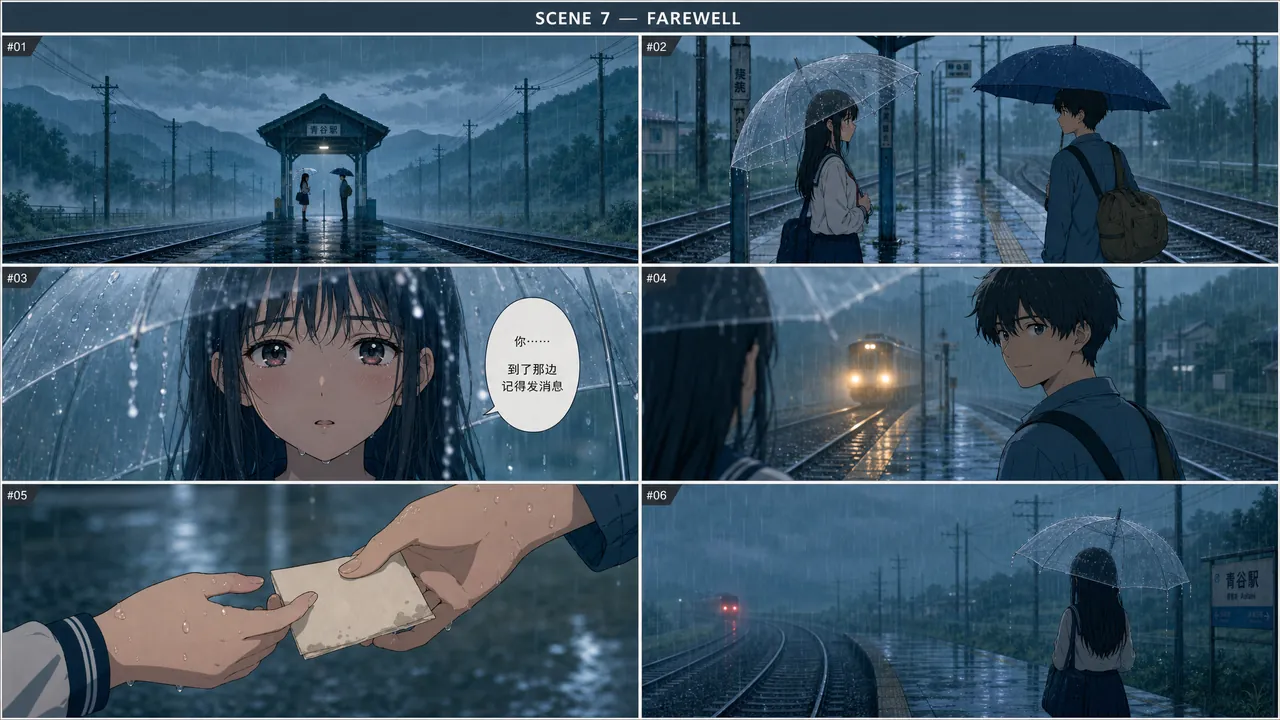 1 input
- 5 reference images
- Horizontal card flip
- 10s timeline
Referencing the 5 uploaded keyframe images, generate a 10-second, 16:9 landscape short video showcasing guochao-style character headpieces. The overall style continues the rhythm and display logic of the reference video, with a refined, clean, restrained look and a sense of fashionable Chinese-style visual design. The five characters appear in the order of the uploaded images. Each character stays fixed at the exact center of the frame, with a stable composition: no character movement, no large camera moves, no exaggerated body gestures. Each character holds for about 2 seconds, with the main motion being a slight side-to-side head turn, a slow tilt of the head, or a slight lift and return of the chin, so the headpiece is fully displayed. Tassels, flowers, magpies, paper kites, butterflies, and other headpiece decorations may sway or tremble slightly, while the Chinese patterns in the background, such as auspicious clouds, pavilions and towers, and landscape motifs, remain relatively still, with only a very slight breathing or parallax feel. Transitions between characters must use a unified “horizontal card-flip” style: the current character's image is like a card standing upright at the center, performing a smooth horizontal flip around the vertical central axis. When it reaches the side, it briefly narrows, then the next character naturally emerges from the other side of the flip, forming a continuous card-turning effect. The transition should be clean, crisp, and smooth with a clear rhythm, without scattering, scaling jumps, or characters flying in from the edges. During transitions, character positions must not drift; they stay center-aligned, as if constantly flipping cards to change characters on the same display stand. Each character's individual motion requirements: the character stays in a half-body portrait display, with natural eyes, calm and refined expression, and a stable overall body. Only the head turns slightly to the left and then back to center, or to the right and then back to center, with small, elegant movements that show the layers of the headpiece. Earrings, tassels, flower sprigs, bird feathers, and paper-kite details may swing with a slight delay to enhance refinement. No talking, no exaggerated blinking, no laughing, no large body twists. The overall camera language is mainly fixed shots, with only a very slight slow push-in allowed to create a premium poster-like sense of motion, without breaking the centered display of the characters. The overall video rhythm is “hold display — horizontal card flip — hold display — horizontal card flip,” repeating through five characters, and finally settling on the last character to end. Storyboard timeline version 0s–2s The first character is displayed at the center. The character slightly turns the head from frontal toward one side, then slowly returns to center, showing the flower, magpie, and tassel headpiece on top of the head. Tassels and small ornaments sway slightly, while the background pattern stays stable. 2s–2.4s Enter the first card-flip transition. The current character's image performs a horizontal flip around the vertical central axis, like a card turning over. At its narrowest point it naturally switches to the next character. During the flip the character stays fixed at the center. 2.4s–4.4s The second character is displayed at the center. The profile character may make a slight chin lift, a small head turn, or a gentle turn back a little, then stop, highlighting the paper kite, flowers, and magpie headpiece. Petals or small ornaments may float very slightly. 4.4s–4.8s Second card-flip transition. Same horizontal card-flip style, clean and crisp, with no extra effects. 4.8s–6.8s The third character is displayed at the center. The character slightly shakes the head side to side, briefly showing the different layers of the exaggerated headpiece. The birds, paper kites, and tassels in the headpiece may have subtle sways, while the cloud pattern in the background has a slight breathing feel. 6.8s–7.2s Third card-flip transition. Keep the unified center card-flip rhythm. 7.2s–8.6s The fourth character is displayed at the center. The character tilts the head slightly, revealing the front and side layers of the headpiece, with small, restrained movement. 8.6s–9.0s Fourth card-flip transition. Horizontal flip, with the character not drifting and a steady rhythm. 9.0s–10s The fifth character is displayed at the center and serves as the ending. The character slightly lifts the head or slowly turns and returns to center, with small headpiece elements gently swaying. Finally stops steadily and freezes at the end. Do not let characters walk around, do not let characters drift by scaling, do not deform the headpieces, do not change the character's position, do not let the background fly around, no complex particles, no exaggerated camera rotation, no stuttering, no multiple people on screen at once.


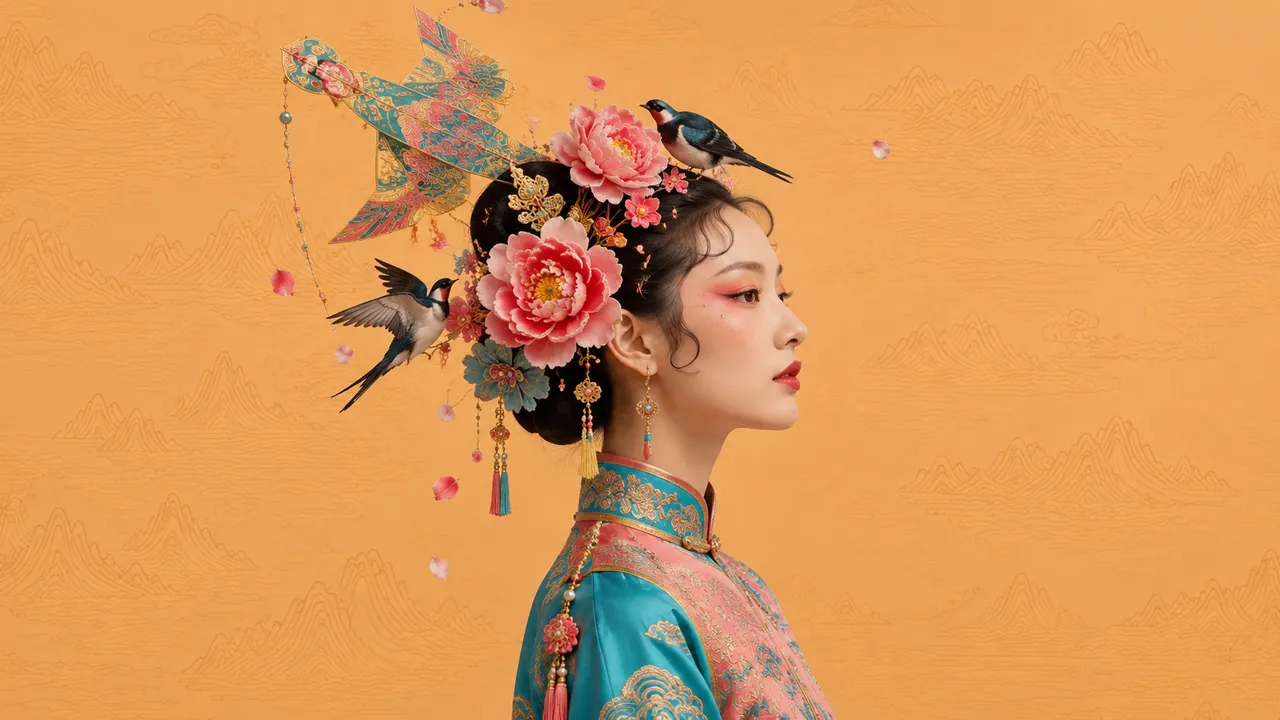
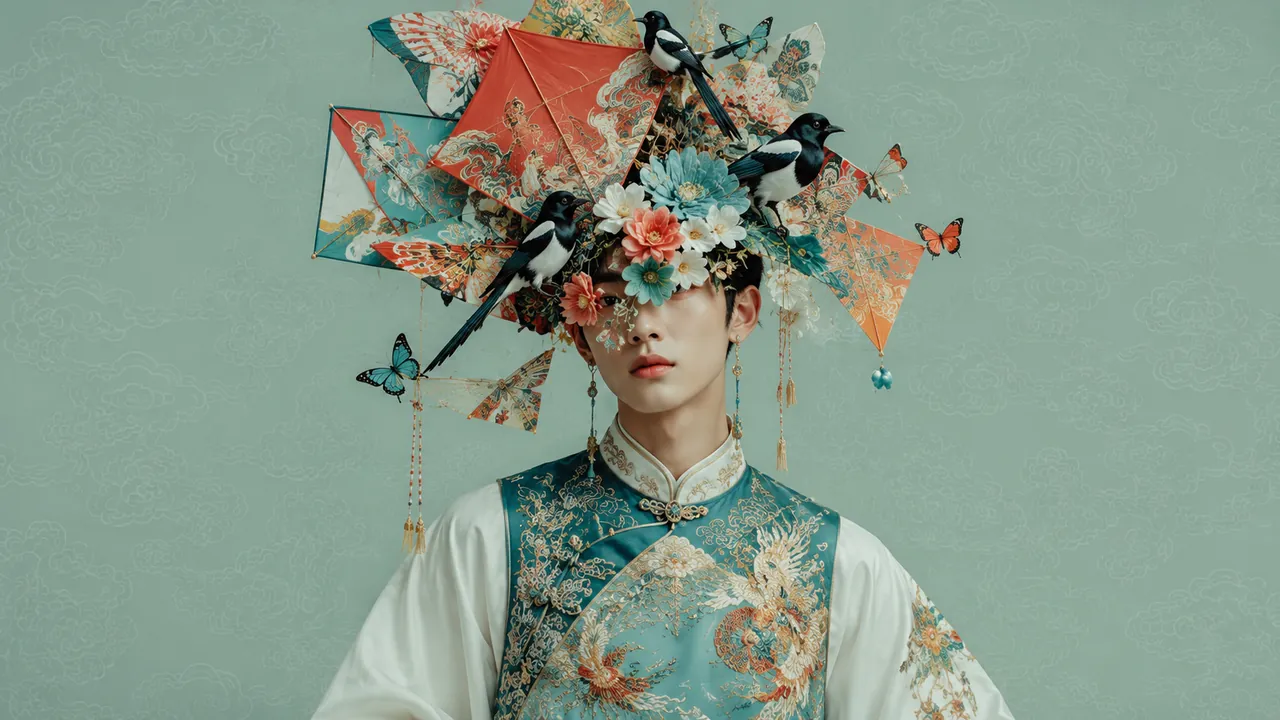 5 inputs
- Single 10s shot
- Dragonfly-style bursts
- 1 reference image
Generate a 10-second, 16:9 landscape, 1920×1080, 30fps miniature fantasy high-speed chase short, completed in a single continuous shot. Highest-priority requirement: the fairy must move the way a dragonfly does: “hover at a fixed point — instant burst — full sudden stop — sharp-angle change of course.” It is forbidden to portray her as an ordinary fairy drifting slowly, moving at constant speed, or gliding smoothly and continuously. Style reference: @Image2 Across the first 7.8 seconds of the whole piece, there must be at least six clearly recognizable explosive movements. Each burst must cross 60%–90% of the frame width within 3–5 frames, and after arriving at the new position she must come to a complete stop for 2–4 frames. During the dash, only 1–2 frames of a pink body afterimage and transparent wing trails may remain, and after the sudden stop the character must instantly return to being sharp. The visual effect should closely resemble a real dragonfly: hover at a distant point → suddenly cross several meters → instantly settle at another point → change body orientation → burst toward a completely different direction. This is not a continuous flight path, but a series of short, sharp, nearly frame-skipping high-speed displacements connected together. The character must not fill the duration with ordinary slow flight. Character design Only the same adult miniature flyer appears throughout the whole piece, about 15–20 centimeters tall: light golden short hair; a light pink thin short skirt; bare lower legs; two pairs of slender, semi-transparent dragonfly wings; the wings have fine veins and slight iridescence; stable body proportions; mainly shown from the back and back-side angles; no close-up of the face. She is not a child character, and she does not adopt a cute ballet-like floating pose. When hovering, the body is close to vertical, and the four wings vibrate at high frequency. Before a burst launches, within 1–2 frames the body quickly lowers and turns into a horizontal forward-leaning posture, with the head, chest, and toes pointing in the direction of flight. When stopping suddenly, the body quickly rises, the legs swing forward to cancel momentum, and the wings open outward to brake. After the sudden stop is complete, the body must be completely still, with only the wings keeping high-frequency vibration. Setting A real, warm, slightly messy children's toy room: beige short-pile carpet; warm grey-green walls; wooden storage cabinets; a red toy truck; a green small car; a brown plush bear; white plush animals; scattered picture books and building blocks; a large colorful block castle at the far end of the room. The block castle is built from large yellow, blue, green, and red plastic blocks, with towers, city walls, doorway openings, and visibly loose structure. Behind the castle connects a deep-blue underwater space, with a bright water surface above, blue-white volumetric light, a few aquatic plants, pale sand floor, and rising bubbles. Camera rules The camera must not lock onto the character all the time, and must not keep a fixed distance from her. Each burst follows this fixed logic: the camera briefly holds steady to observe the hovering fairy; the fairy suddenly rushes toward the frame edge within 3–5 frames; the character is allowed to fully leave the frame for 2–4 frames; the camera is 0.1–0.2 seconds slower before whipping quickly toward the new direction; the camera may briefly overshoot the character's stopping position; then it makes a small reverse adjustment to rediscover the fairy, who is now fully hovering; after holding for 2–4 frames, the character bursts again. There must be multiple instances of the visual relationship where “the character has already arrived and stopped, while the camera is still catching up.” The camera must not keep the fairy always at the center, always sharp, or always at the same size. During a dash, the character can shrink quickly from a near shot into a distant pink dot, or suddenly sweep past the edge of the lens from far away. Motion requirements Every dash must show at least three kinds of speed evidence at the same time: the fairy's position on screen changes dramatically; the character's size changes rapidly; foreground toys sweep past at high speed; the carpet texture forms directional streaks; the camera shows a delayed whip; air pushes the edges of paper; the wings form high-frequency transparent fan-shaped afterimages; after the dash ends, the character suddenly snaps into sharp focus. It is forbidden to express high speed only through rapid wing vibration. There must be clear evidence that the character truly crosses an obvious spatial distance. 10-second timeline 0–0.7 seconds | Fixed observation and first crossing The lens is about 5 centimeters from the carpet and temporarily stays roughly fixed. The fairy hovers on the left side of the frame, body clearly visible, wings vibrating at high speed. After holding for about 0.12 seconds, she suddenly lowers her body and bursts horizontally. The first burst must cross from the left side of the frame to the right within about 0.13 seconds, 4 frames, covering about 85% of the frame width. Only an extremely short pink directional afterimage remains in between. The fairy rushes out of the right side of the frame. The camera stays in place for about 2 frames, then violently whips to the right. 0.7–1.5 seconds | Catching up and first sudden stop The camera quickly whips right and finds the fairy again above the green toy car. By this time the fairy has fully stopped, about 10 centimeters above the top of the toy car. Due to inertia the camera overshoots her slightly, then quickly adjusts back to the left. The fairy holds steady and clear for about 3 frames, then bursts at about a 90-degree angle to the left-forward, passing extremely close in front of the camera. The character instantly changes from a small distant figure into a pink blurred close-up occupying about 25% of the frame height, then disappears from the left side. 1.5–2.6 seconds | Two consecutive dragonfly-style course changes The camera whips left to chase. The fairy stops instantly for 2–3 frames beside the plush bear's shoulder, and her body quickly turns toward the depths of the room. Then two bursts follow: Third burst: from beside the plush bear, she rushes to the back of the red toy truck, completed in about 4 frames; sudden stop for 3 frames; Fourth burst: she leaps up and to the right across the picture books and scattered blocks, completed in about 3 frames. The stopping positions between each burst must be 1–2 meters apart, not just a few tens of centimeters. The camera catches up half a beat late each time, creating obvious left-right whipping and spatial jumps. 2.6–3.8 seconds | Ultra-fast long-distance burst The block castle is at the end of the room. The fairy suddenly and completely hovers above the foreground blocks. The camera also briefly stops, and the frame goes quiet for about 0.12 seconds. Then the fairy completes her fifth burst, the longest-distance movement of the whole piece: her body instantly turns horizontal; her wings become translucent fan shapes; within about 0.2 seconds she crosses the main distance of the room; she shrinks rapidly from about 18% of the frame height to less than 3%; she arrives directly before the castle entrance far away; the camera stays in place for about 3 frames before suddenly accelerating. Foreground toys, chair legs, picture books, and carpet texture sweep backward at high speed. As the camera closes in, the castle expands from a distant view in an instant, filling the entire frame. 3.8–5 seconds | Three jumps along the castle walls The fairy does not climb continuously up the wall. Instead, she jumps instantly between three clearly defined positions: hovers at the base of the castle wall; bursts within 3 frames to a middle-level tower; stops completely for 2 frames; bursts sideways within 4 frames to another tower; stops for 2 frames; bursts vertically within 3 frames to the highest point. After each arrival, the fairy stops completely at once, as if pinned in the air, and does not slow down by gliding. The camera searches for her by sharply tilting up, quickly panning sideways, and making short turns in sequence. Colorful blocks sweep past from both sides of the lens at high speed. The lens may temporarily lose the character, but must recapture her. 5–6.3 seconds | Reverse dive and castle collapse After reaching the top of the tower, the fairy hovers for only about 0.1 seconds, then suddenly completes her sixth burst downward, turning back at about 110 degrees. She dives at high speed from above, grazes a loosely connected block, and plunges into the inside of the castle. The character herself does not hit the wall, but the rapid airflow and the grazing contact make the block structure lose stability. The castle collapses in sequence: the large top blocks tilt first; the middle-layer blocks fall under gravity; small pieces then tumble and bounce; different blocks have different directions and speeds of motion. The fairy performs two left-right evasions of 3–4 frames each among the fragments. The camera whips half a beat late, moving through the gaps between the large blocks. 6.3–7.8 seconds | Debris passage and high-speed dive A deep-blue opening is revealed inside the castle. The fairy suddenly stops sharply in front of the opening, her body fully fixed for about 3 frames. The camera, due to inertia, first rushes forward and nearly reaches her. In the next instant, the fairy bursts vertically downward and quickly rushes out of the bottom of the frame. The camera lags about 0.15 seconds before flipping down 80 degrees to chase. The character, the blocks, and the camera fall at high speed. As they pass the water surface boundary, there are realistic refraction, splashes, bubbles, and 2–3 frames of brief defocus. 7.8–9 seconds | Water resistance forces deceleration Once underwater, the rules of motion change immediately. The fairy's body, which was moving downward at high speed, experiences strong water resistance within 0.3 seconds: her forward distance shortens rapidly; her body tilts forward about 20 degrees; her legs and arms keep swinging from inertia; her hair and skirt float upward; her wings stop vibrating at high speed; all four wings open and sway slowly. The camera glides forward a small distance from its high-speed chase state, then gradually stabilizes. Bubbles rise uniformly, and block fragments slowly rotate as they sink. 9–10 seconds | Complete stillness and ending The fairy stops completely underwater, floating slightly above the center of the frame. The camera still moves closer by about 20 centimeters from inertia, then comes to a complete stop. The fairy slowly turns toward the blue light column ahead, her skirt and wings gently swayed by the water currents. For the final 0.4 seconds, hold a stable image: the fairy no longer moves forward; bubbles rise; the aquatic plants slowly rebound; the blocks keep sinking; soft caustic light appears on the water surface above; no fade to black. Forced speed limit In the air there must be at least six complete “burst–sudden stop” sequences. Each burst crosses no less than 60% of the frame width, and each sudden stop must show 2–4 frames of a completely sharp, completely still character image. Do not use slow takeoff, gradual acceleration, smooth deceleration, or continuous curved flight. Do not let the fairy move forward standing upright like an ordinary fairy. Do not let her move through the air with running, swimming, or bird-like gliding motions. The fairy is allowed to briefly rush out of the frame, the camera is allowed to temporarily lose the character, and during the dash stage the character may appear as only 1–2 frames of a pink directional afterimage. Do not fix the camera behind the character, and do not let the two keep the same speed, distance, or composition. The camera must always be clearly slower than each of the fairy's starts. The high-speed effect must not rely only on motion blur, wing vibration, or background movement. It must show real positional jumps, scale changes, camera catch-up, and instant sudden stops. The character must never truly disappear or teleport out of thin air. Between each positional jump, keep 1–2 frames of continuous directional afterimage so that the spatial route can still be traced. The whole piece keeps the same continuous shot, with no hard cuts. Keep the character design, wing count, and body structure stable. No limb distortion, no disappearing wings, no character duplication, no blocks turning to powder, no flames, smoke, glowing trails, magic particles, text, logos, or watermarks. @Image1
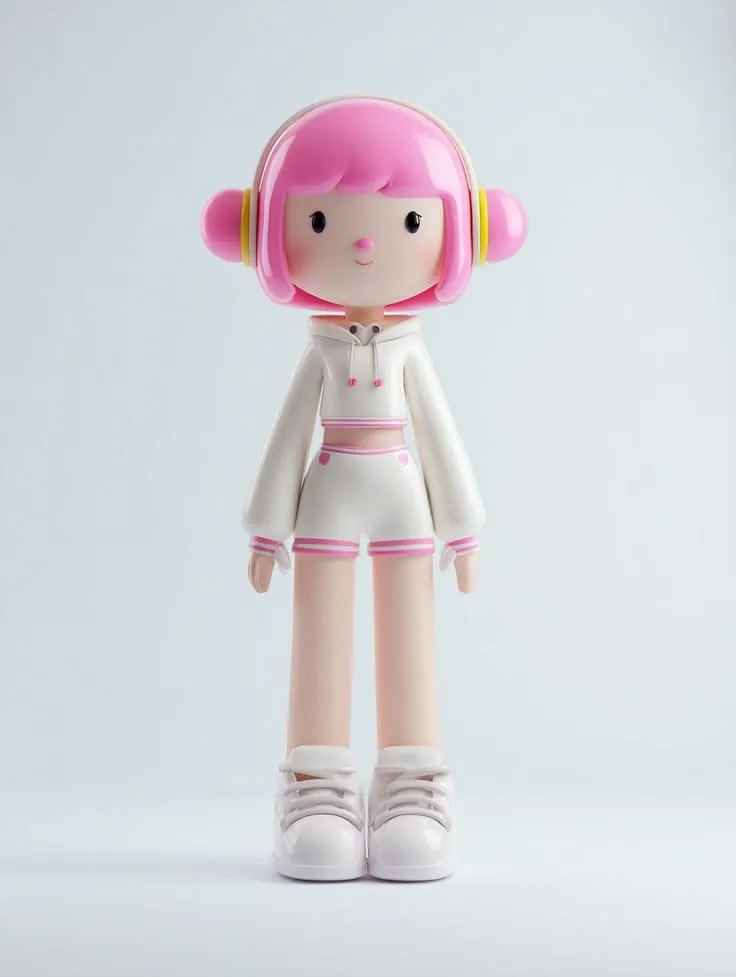 1 input
- 2 reference images
- 5 timed segments
- Symmetrical framing
0–4 seconds (wide / symmetrical freeze): Frame: an endless luxury hotel corridor. In the exact center of the frame, a fluffy ragdoll cat @Image1 has all four legs off the ground, in a standard running pose, charging toward the lens. Its expression is serious and focused, as if carrying out a sacred mission. About two meters behind it on the right, a smaller black cat @Image2 runs with its back to the camera toward the depths of the corridor, but its head is dramatically twisted 180 degrees backward, its eyes wide open as it looks back at its pursuers. Detail: both actions are frozen in a kind of “dynamic stillness,” like an exquisite clockwork toy. The arches, wall lamps, and carpet patterns in the background are all strictly symmetrical left to right. 4–9 seconds (side tracking / cross-section view): Frame: the camera switches to a cross-section view of the corridor's side (as if the wall had been sliced open). The ragdoll cat runs in the foreground at a steady pace from left to right, its steps mechanical yet graceful; the black cat, in the midground, moves in reverse from right to left, creating crossing lines of motion. Style: the background consists of layered pink wallpaper and gold picture frames, with every object kept perfectly vertical and horizontal, with no tilt at all. The fur textures of the two cats are extremely fine, forming a strong contrast with the flat color blocks of the background. 9–13 seconds [Laundry room / drum close-up]: Frame: a frontal eye-level close-up focused on the glass door of a retro mint-green twin-tub washing machine. Ragdoll cat @Image1 and black cat @Image2 are trapped inside the rotating drum, tumbling with the water and foam. Detail: the two cats do not panic, but keep a stiff “floating” posture, staring straight ahead with empty eyes, as if doing some weightlessness training. The background is neatly arranged rows of same-colored laundry detergent bottles, with labels strictly ordered according to the rainbow spectrum. Light refracts through the soap bubbles into dreamy light spots, and the motion is slow and rhythmic, like underwater ballet. 13–17 seconds [Luggage conveyor / overhead tracking]: Frame: a 90-degree vertical overhead shot. A deep-red airport-style luggage conveyor belt runs across the frame. Ragdoll cat @Image1 sits upright on a brown leather suitcase covered with travel stickers, its paws folded on its knees, with a solemn expression like a noble on a journey. Black cat @Image2 lies on another smaller green hand luggage case, its body sliding steadily to the right with the conveyor, its tail swinging rhythmically left and right, as precise as a metronome. Detail: both sides of the conveyor are pure white walls with no clutter at all. Every five seconds, an overhead light flashes once, matching the cats' movement rhythm to create a mechanical sense of order. The colors are mainly red, brown, green, and white, with sharp, clean contrast. 17–20 seconds [Telephone booth / mirror symmetry]: Frame: frontal eye-level view, with the frame split in two by the glass door of an old-style red telephone booth. On the left is a close-up of the front face of ragdoll cat @Image1, facing the handset, its mouth slightly open as if speaking, with a sharp gaze. On the right is a mirror reflection of black cat @Image2 (or it is actually standing on the other side of the glass), imitating the ragdoll cat's movements, but with an expression of extreme terror and comedy, its eyes wide open. Detail: the inside of the phone booth is small, and the background is a blurred city street, processed into soft color blocks. Reflections on the glass are clearly visible, enhancing the layers of space. The final frame freezes on the stark contrast between the two cats' expressions, with color saturation peaking, full of dramatic tension and absurd humor.
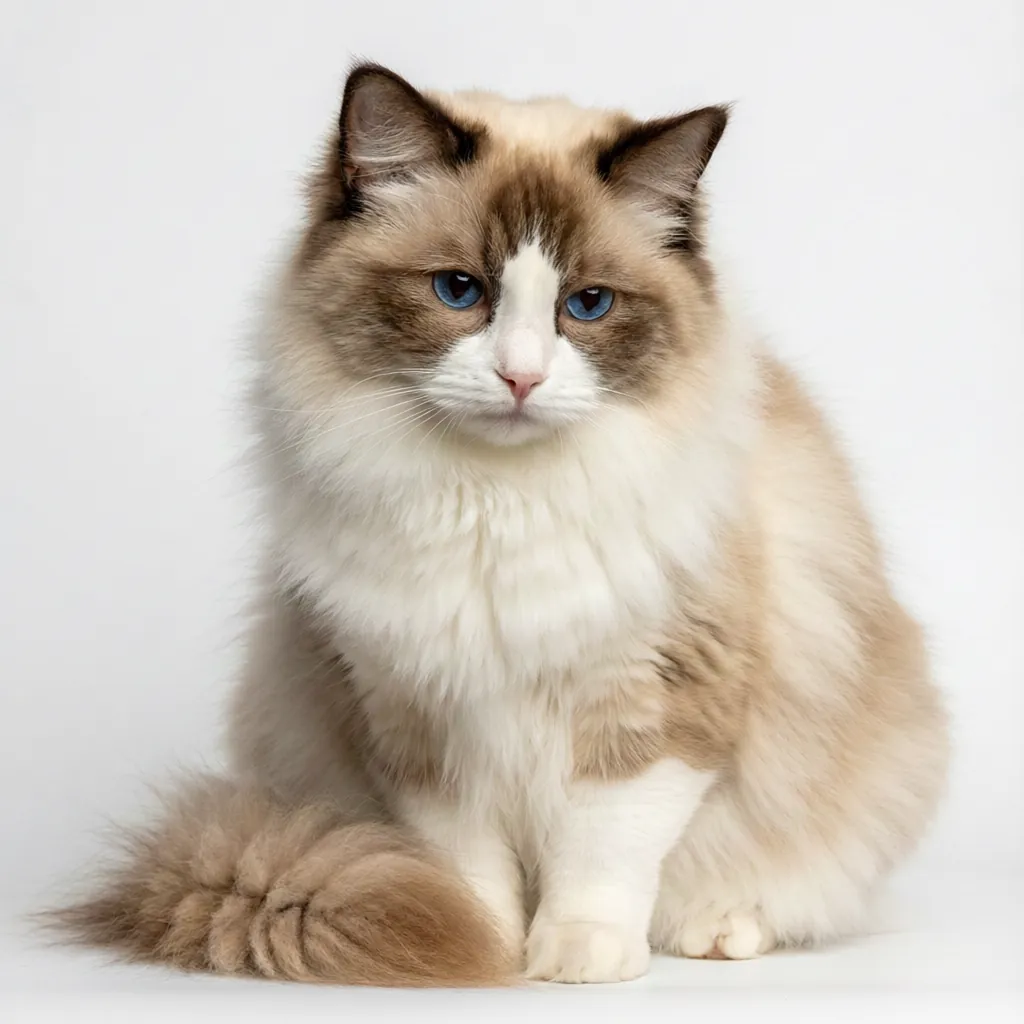
 2 inputs
- 3 reference images
- Timed fight beats
- Speed-ramp slow motion
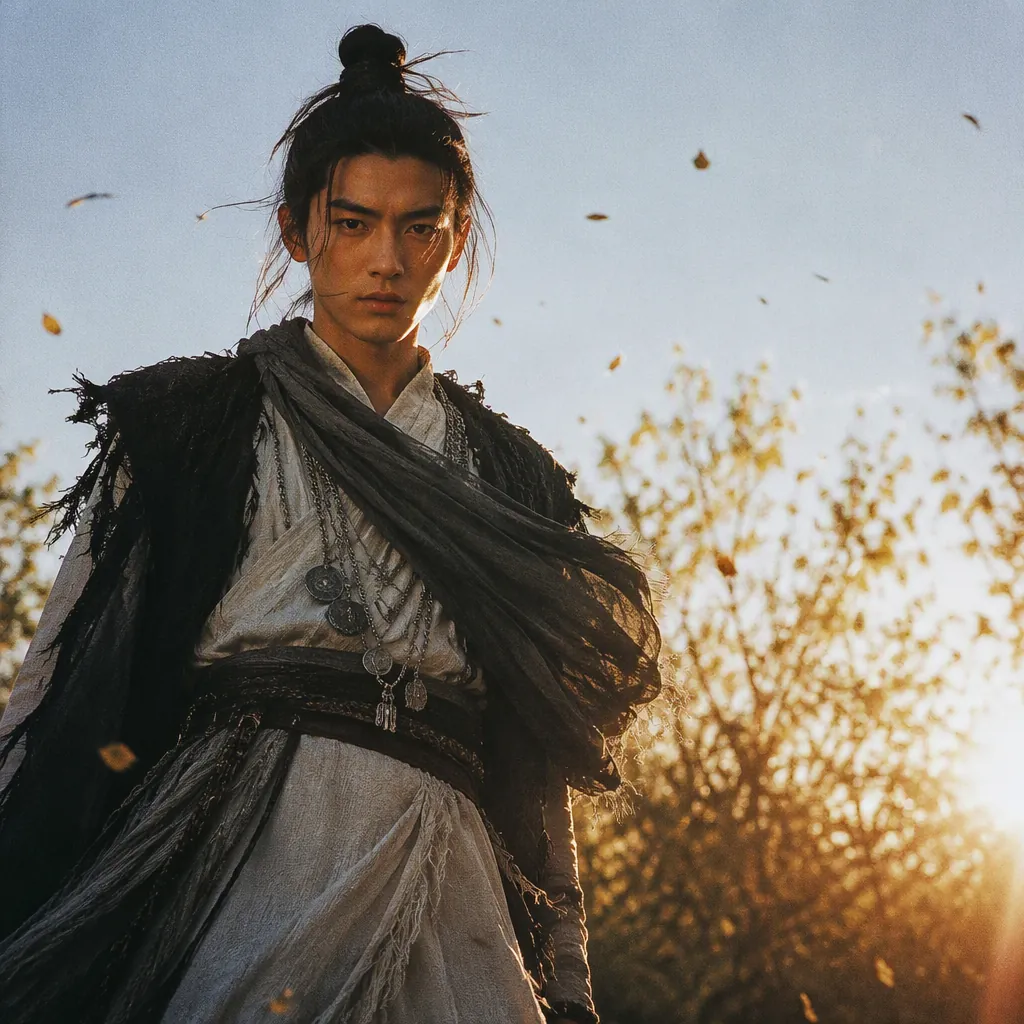
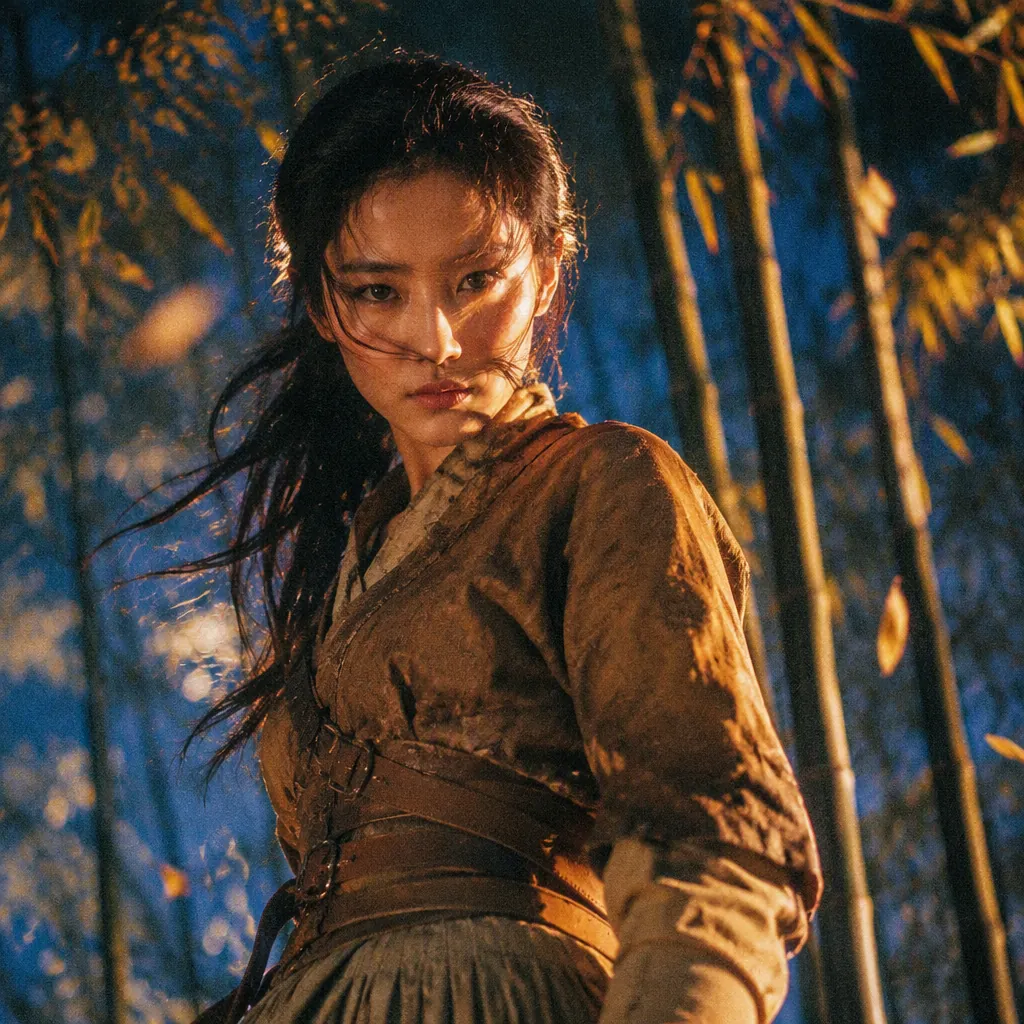
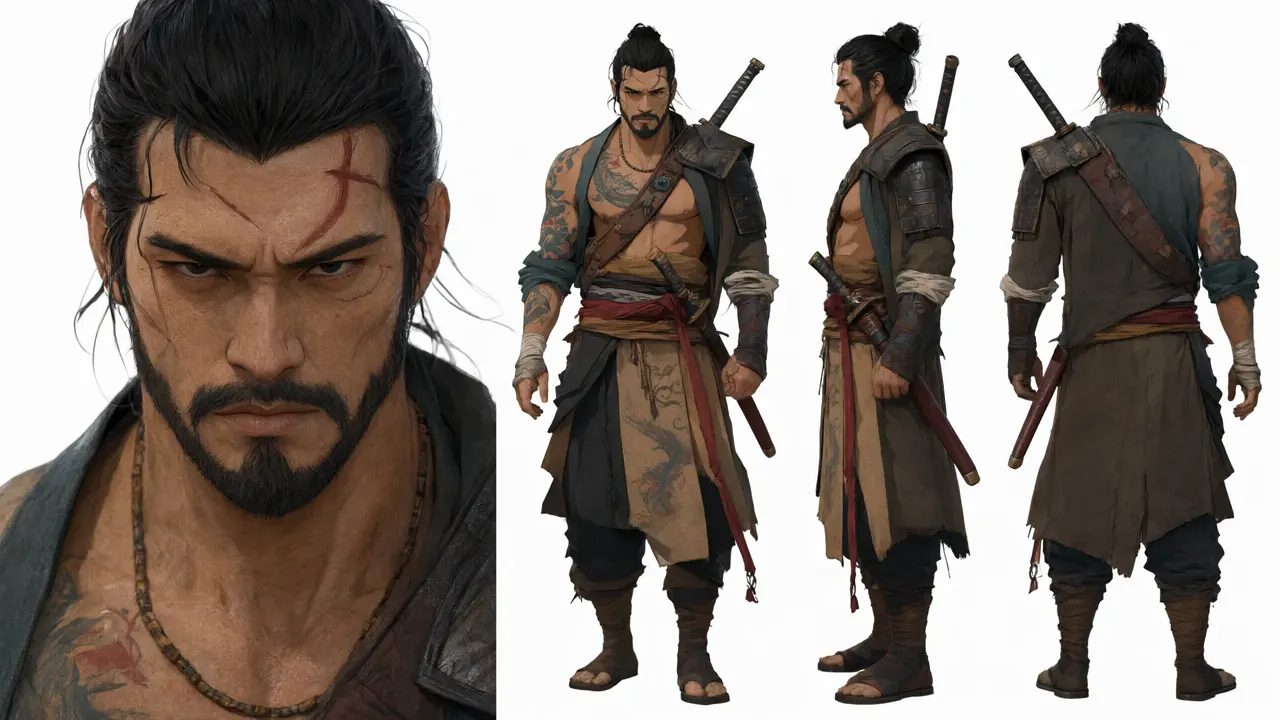
1️⃣ Module 1 · Multimodal reference layer Based on the uploaded character card, strictly keep the male character's features consistent: black hair in a high topknot, loose strands at the temples blown by the wind, sharp dark eyes, a lean face with clearly defined contours; strictly keep his styling details consistent: an off-white cross-collar robe as the inner layer, an outer black-grey frayed shoulder cape with tassels, multiple silver coin pendant chains on the chest, and a wide dark-brown sash wrapped around layered fabric. Based on the uploaded character card, strictly keep the female character's features consistent: long straight dark-brown hair with a slightly damp sheen scattered over one shoulder, a cool profile, and dark pupils; strictly keep her styling consistent: an olive-brown leather high-collar short fighting outfit, multiple leather belts crossing and binding the chest and abdomen, and a light-colored shirt collar worn underneath. The setting strictly follows the uploaded lakeside reed-flat image (golden reeds swaying in large waves in backlight at sunset, dark gravel and rock scattered across the ground, the lake far away glittering with fine waves, and the sky shifting from cyan to gold, forming a warm-cool transition band). Do not replace it or mix in other scene elements. 2️⃣ Module 2 · Global settings Base environment and texture: a lakeside reed flat, golden reeds surging violently in large waves in the wind, dark rocks scattered in the near ground that can serve for leverage, leaping, and cover, the ground made of dry hard sand mixed with dead grass and gravel, the distant lake glittering, strong backlit grain, and a lot of floating reed fluff and dust in the air, with strong visual impact. Visual style: cinematic realistic wuxia texture, with the backlit silhouette of a Grandmaster-style film placed alongside the open-field tension of a Crouching Tiger-style film. Warm golden backlight and cool blue sky collide in strong color temperature contrast, with high-contrast light carving the body outlines. Shallow and deep depth of field alternate to strengthen spatial depth and impact. Camera language: the camera complexity of this version is significantly raised. The opening dialogue uses medium-close fixed shots to create the still tension of spoken confrontation. Once the fight begins, multiple camera positions switch rapidly (low-angle upward shots of the hand's silhouette, overhead diving dart-like shots showing the overall tangle, telephoto lenses compressing space to create a sense of closing in, handheld slight shake following close with the rhythm of short punches, and wide side orbits showing the exchange of positions). Speed ramps are allowed (normal speed abruptly pushes into a very short slow motion, then instantly snaps back to normal speed) to create impact at the moment of strikes. Across the whole piece, slow-motion or freeze-frame beats are relaxed to 2 times, each lasting no more than 1 second. Cut frequency is raised, but the axis and geometric relationships must remain continuous, with no reversed directions or position drift. The ending uses a slowly rising wide shot to close the emotion. Character styling: the male character keeps the character-card settings; the shoulder cape with tassels and silver coin chains swing and clash with clear sounds during intense fighting, and the robe hem flips and tears under high-intensity footwork. The female character keeps the character-card settings; the leather straps stay close to the body without loosening, but her collar and hair whip violently with her movements, and her long hair flies high through repeated flips and dodges. Performance core: the opening dialogue is concise and sharp, one line of provocation and one line of acceptance, with restrained tone but hidden killing intent. Fight passages demand moves that are fierce, continuous, and powerful: short punches, grappling throws, joint locks, and leverage-based flips erupt one after another. The rhythm should be denser and more visually impactful than a standard version, but every strike must still have clear force and feedback, avoiding empty motions done just for show. The whole piece is pure bare-hand close combat, with no weapons, spells, light effects, or other surreal special effects. Dialogue and sound discipline: the whole piece keeps the characters' synchronized dialogue, with no on-screen subtitles. Dialogue appears only in the very short two-line exchange at the opening; throughout the fight there is no speech, only rapid breathing, the whoosh of fist wind, violent fabric friction, and heavy thuds of bodies landing. No background music. Ambient sound (howling wind, reeds rubbing violently, water waves) grows louder as the fight intensifies, and near the end a minimal accent can punctuate the final freeze. Prohibited: no on-screen subtitles; no background music overpowering the scene; no face or costume clipping or deformation; no broken limbs or interpenetrating misalignment; no light blades, spell effects, or movements floating in the air beyond human mechanics; no more than 2 slow-motion or freeze-frame beats, and none longer than 1 second each; no camera switches that reset space or break the axis; no ritual gestures such as kneeling; no camera static for more than 1.5 seconds (a single fixed dialogue shot must not exceed 2 seconds). Spatial choreography: build the movement path with three spatial anchors: the edge of the reed clump, the near rock cluster, and the lakeshore edge. After the dialogue, the scene rapidly moves from still to motion, bursting in from the outer edge of the reeds, shifting into the rock area for leverage flips and joint-lock tangling, and finally completing a climactic slam throw at the lakeshore edge and freezing to close. The fight lasts about 15 seconds, with camera intensity climbing step by step with the rhythm and then snapping to a stop. 3️⃣ Module 3 · Timestamped dramatic storyboard 【0–1.5 seconds】The male character stands at the edge of the reed clump, his backlit silhouette sharp, wind lifting the hem of his robe. The camera holds a fixed medium-close shot on him, and he speaks coldly: "Still want to stop me?" 【1.5–3 seconds】The camera cuts to a close-up of the female character, her hair blown by the wind half-covering her face, the corner of her lips sinking: "Try it and see." Before the words have finished, she has already taken the first step forward, and the fight abruptly explodes. 【3–4.5 seconds】The female character suddenly closes in, her right fist straight for his face. The male character turns his head to narrowly dodge. The camera switches from fixed to handheld close-in tracking, with a slight shake matching the rhythm of the punch, and reed fluff bursts between the two of them. 【4.5–6 seconds】The male character catches her wrist with one hand, using her momentum to pull her back. The female character follows the pull, twists to release the force, and counters with an elbow strike. The camera switches to a low-angle upward shot, capturing the silhouette of the two crossed arms and turning bodies. 【6–7.5 seconds】Speed-ramped slow motion (about 0.8 seconds): the female character's side kick grazes the male character's flank and narrowly misses. At the instant his garment billows violently, the shot is briefly magnified, then the camera speed snaps back to normal. 【7.5–9 seconds】Using the momentum of his dodge, the male character reaches back to seize her arm and tries to throw her. The female character lowers her body to release the force and rolls free. The camera switches to an overhead diving dart-style shot, showing the overall trajectory of the two rolling and tangling on the ground. 【9–10.5 seconds】The two almost simultaneously rise and close in again, with three quick exchanges in a row (straight punch, block, counter). The camera makes a large lateral orbit, with the axis kept continuous, showing their positions constantly exchanging. 【10.5–12 seconds】The female character uses a rock for leverage and leaps up suddenly, with a high kick straight for the male character's shoulder. He slides past sideways and seizes her calf in passing. The camera switches to a telephoto lens compressing the space, strengthening the sense of closing in and impact. 【12–13 seconds】The male character uses the momentum to pull hard. The female character uses the inertia to flip over and seizes his shoulder and neck from behind to lock him. The two are suddenly locked in close-contact struggle, and the camera rushes into a close-up of their tense arms and muscle lines. 【13–14 seconds】Speed-ramped second slow motion (about 1 second): the male character exerts force to flip and pin the female character, and the two lose balance and tip toward the edge of the rock area at the same time. The moment his robe and hair whip violently through the air is magnified and frozen, then the camera speed snaps back to normal. 【14–16 seconds】Normal speed resumes. The two tumble and fall onto the sand at the lakeshore edge, kicking up a large cloud of dust and spray. The camera dives and tracks along the path of the fall, with the impact pushed to the maximum.

 3 inputs
- 5 reference images
- 9s storyboard
- Paper mask wipe
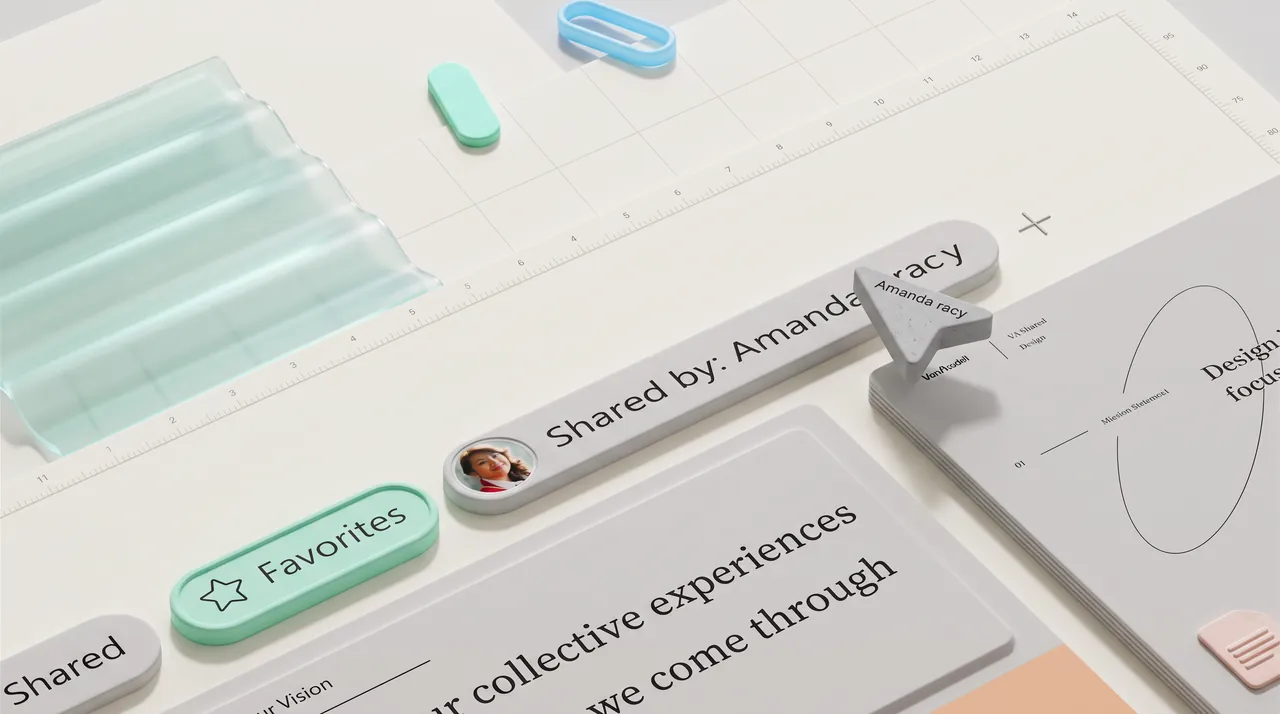
Generate a 9-second premium product launch motion video, pure white studio shoot, soft natural light, cinematic macro. Style: Google / Apple / Material Design, combining colored paper craft, translucent materials, and UI interfaces, clean and refined. Storyboard by the five images: - Image 1 (0–1.48s): centered on a white background, a compact stack of colored paper (white sheets plus translucent blue-green and purple paper), ample white space, with only a gentle breathing float, keeping a restrained opening. @Image1 - Image 2 (1.48–3s): paper is cut open to reveal a UI panel through a paper wipe / mask reveal. The main panel, then cards, then buttons and tags appear one after another (Material ease), with surrounding paper decorations floating. @Image2 - Image 3 (3–4.64s): an angled overhead view with spatial parallax. The UI panel floats above green grid paper, a blue translucent band, purple folded paper, and orange cards, with the camera slowly panning and slightly pressing in. @Image3 - Image 4 (4.64–8.52s): a horizontal card wall. Multiple cards (content / files / tasks) slide in and arrange via card cascade, layout reflow, and soft slide, midway turning to a task-completion scene, while a right-side function area and highlight prompts form. @Image4 - Image 5 (8.52–9s): the final UI settles, with a highlighted tagline, function cards on the right, and colored decorative anchors, freezing with a smooth ease-out. @Image5


 5 inputs
- 1 product image
- 15s vertical
- Lip color focus
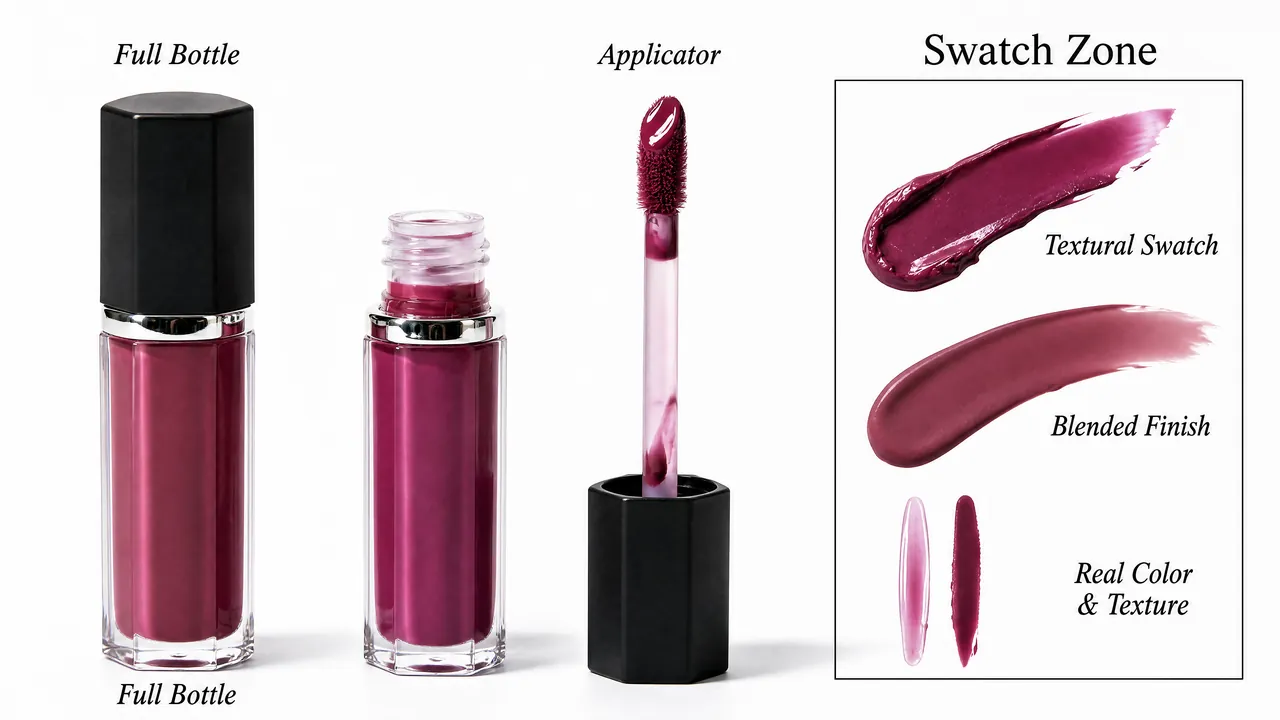
Using only the lip gloss product image @Image1, generate a model try-on video: 15 seconds, vertical, highlighting the lip color effect.
 1 input
- 1 reference image
- 4 shots
- Cel-shaded look
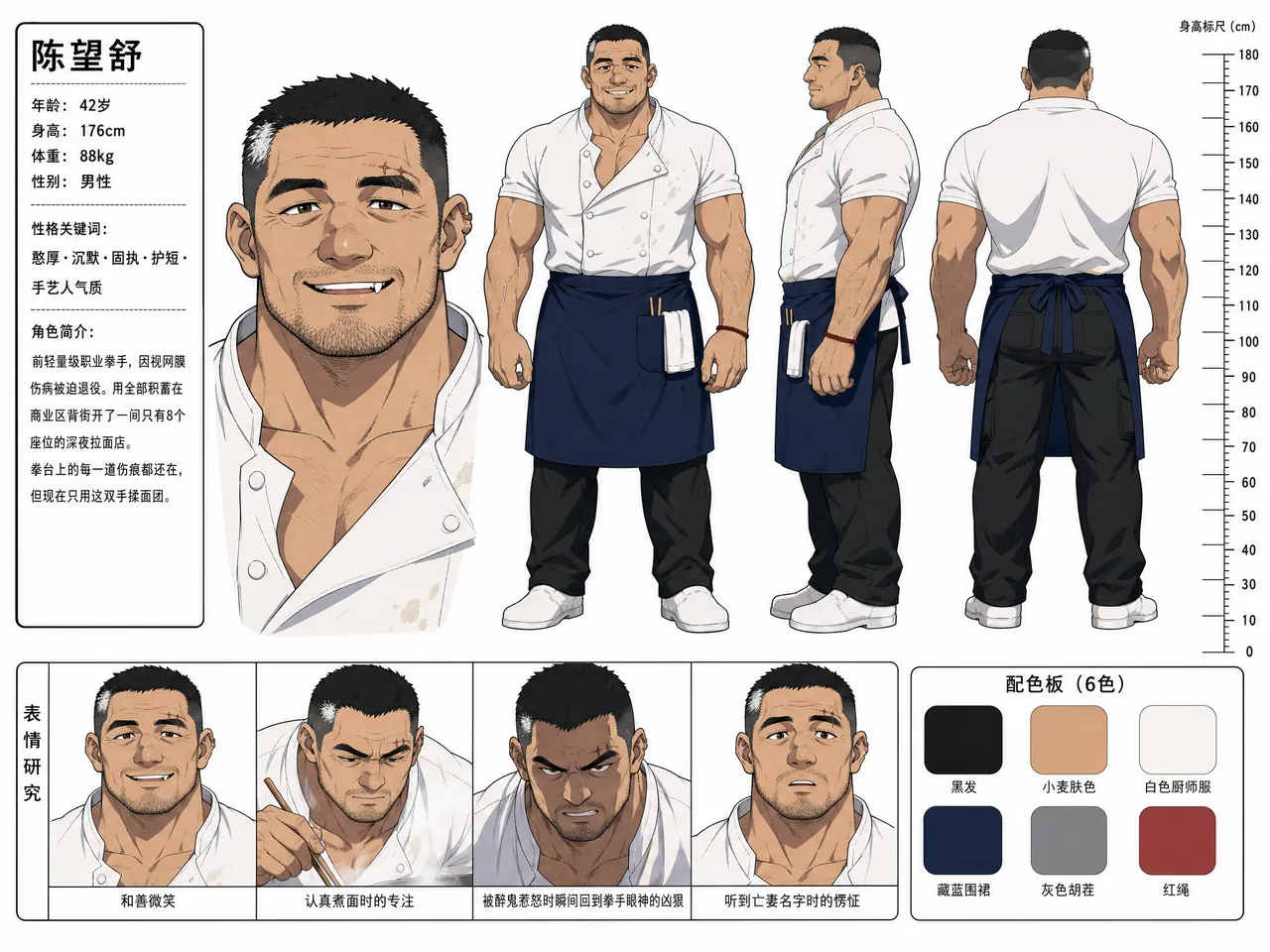
Shot 1: late at night after closing, Image1 carefully wipes the counter with a rag <rag friction sound>. His huge hands, covered in old calluses and fresh wounds, move steadily, and his face shows the fatigue of closing time. Shot 2: a faint whimper comes through <kitten whimpering sound>. His hands stop, and with a slight frown he opens the door, revealing a skinny stray kitten shivering in the rain at the entrance. Shot 3: a slow push-in to the kitten's helpless eyes. Image1's tired expression is gradually replaced by something gentle. After a silent standoff of several seconds, the giant man slowly and stiffly crouches down. Shot 4: close-up on his face. The hard lines of his face loosen, the corners of his mouth break into a clumsy but kind smile, and the muscles around the scar at the corner of his eye relax as well. Cel-animation texture, bold black outlines with hard-edged imagery, with the warm yellow light of the ramen shop contrasting against the cold blue of the rainy back alley.
 1 input







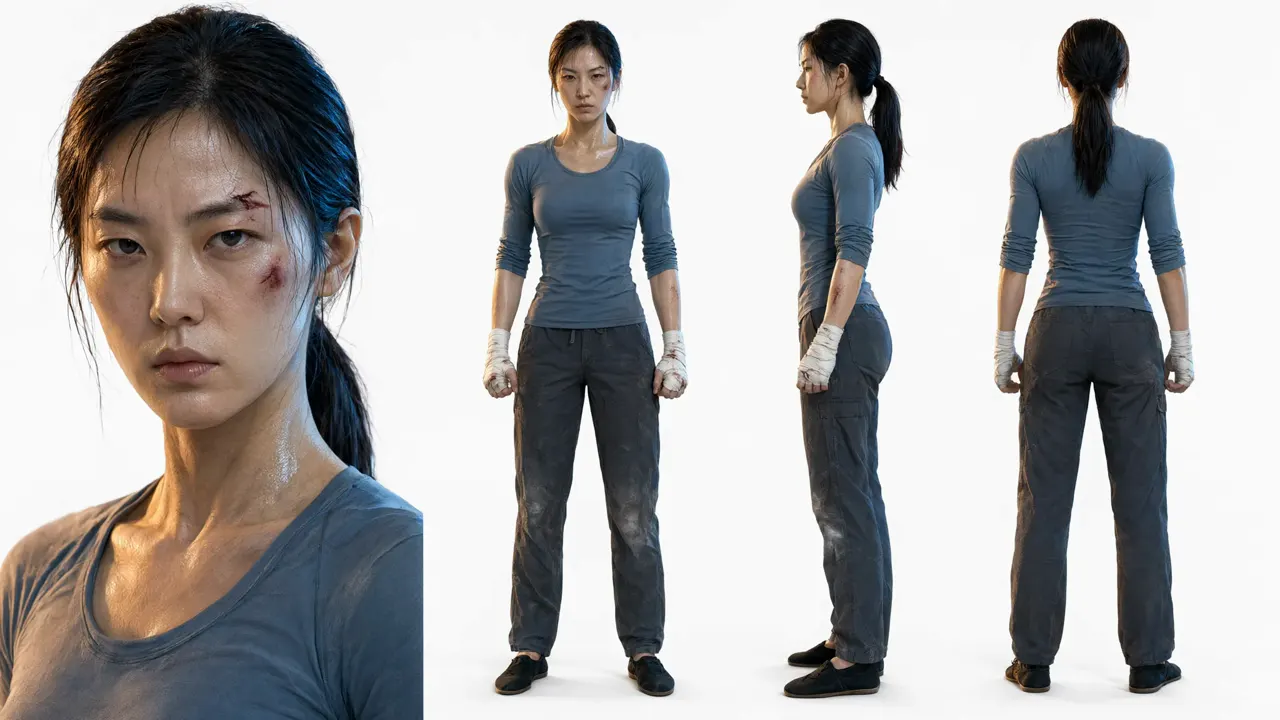
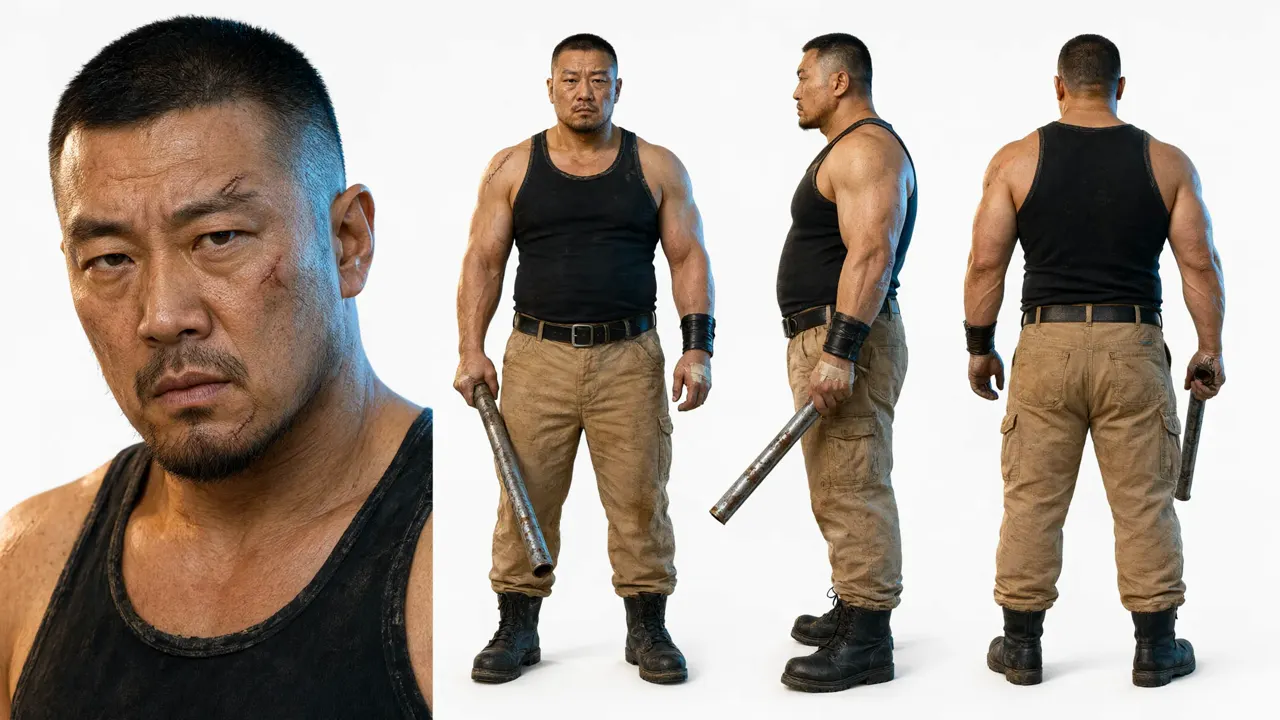
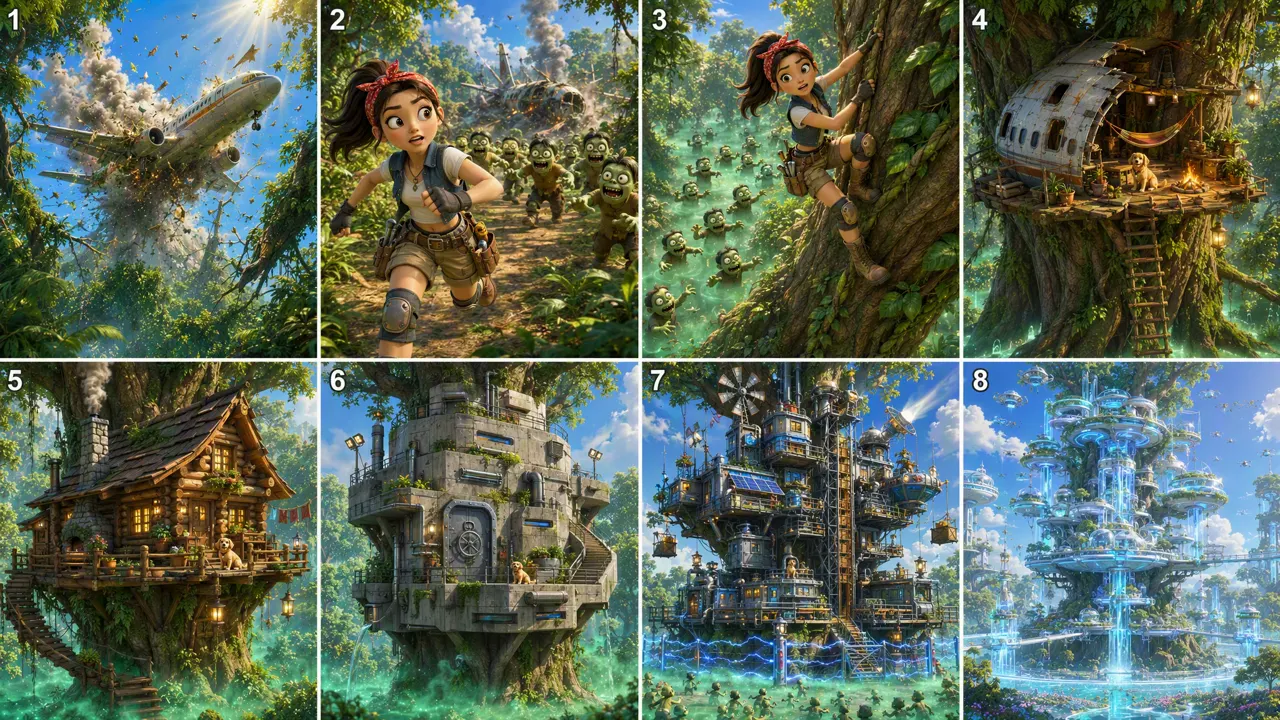

Video reference
Borrow the camera work or motion of a reference clip and change the scene.
- 1 reference video
- 1 reference image
- Swap rider only
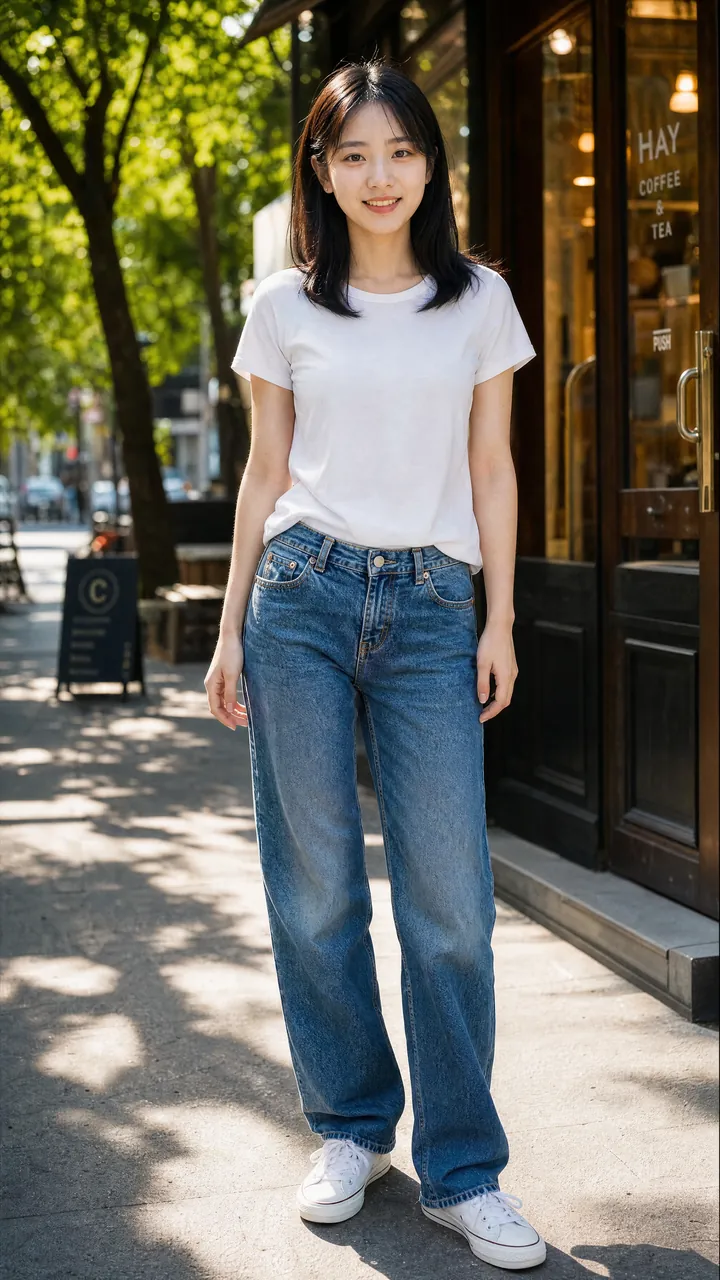
Reference video. Replace the skateboarder in @Video1 with the woman and her clothing from @Image1. Note: only the person is replaced; the skateboard moves, motion trajectory, and skate park background from the original video stay completely unchanged.
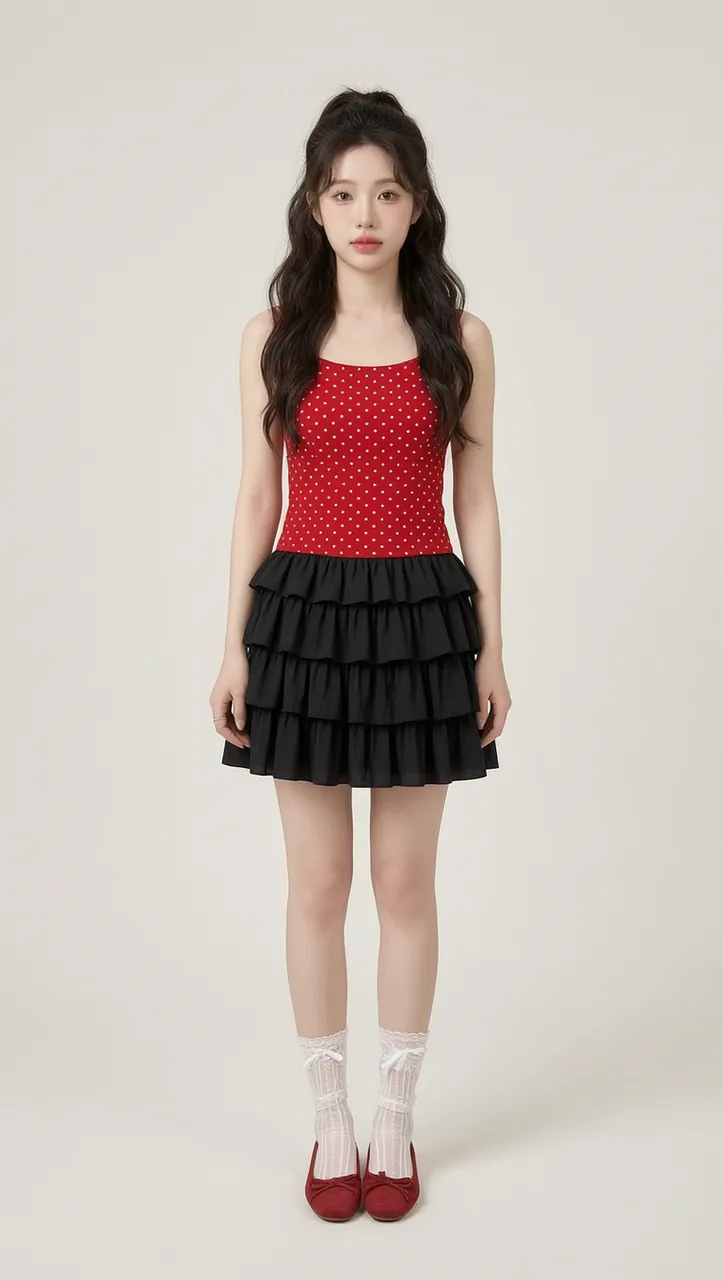
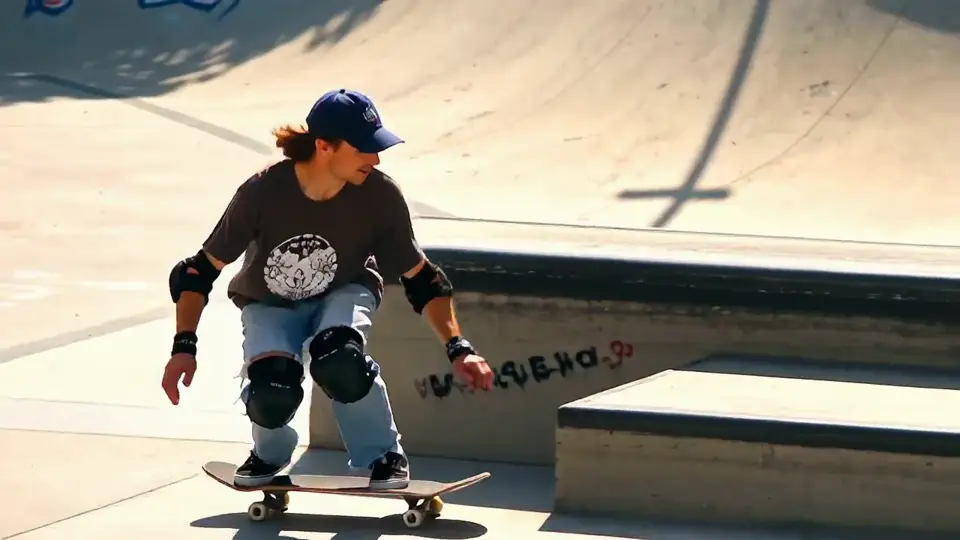 2 inputs
- Reference camera move
- Scene swap
- Single subject
Reference the camera movement of the reference video, and change the scene to a single cup of coffee placed on a café table on a rooftop.
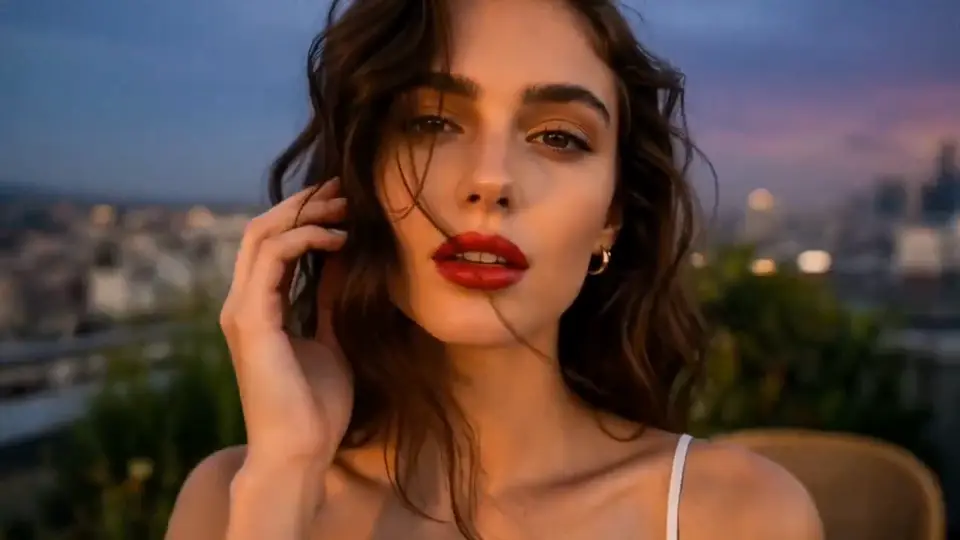 1 input
- 1 reference image
- 1 effect reference
- Motion transfer
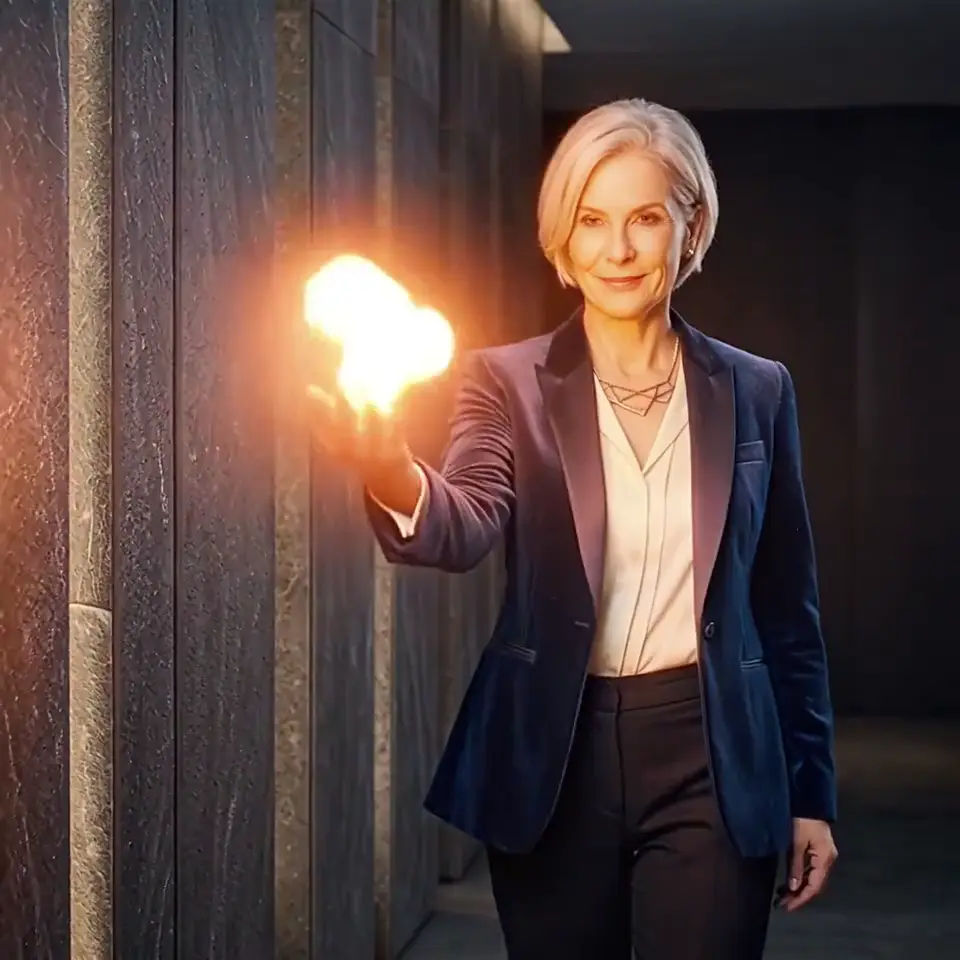
The person in image 1 references the energy effect of video 1; generate the same effect and motion.
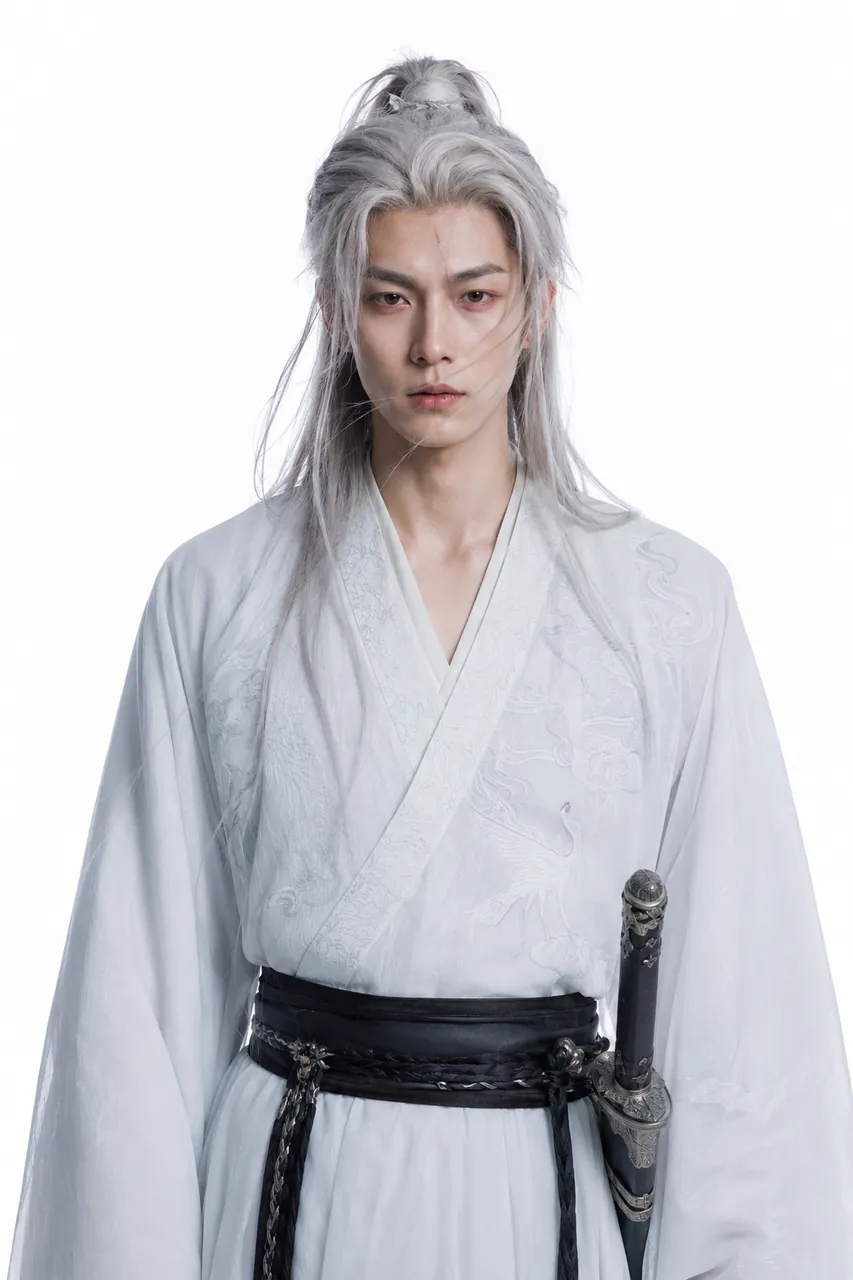
 2 inputs
- Clay-to-real
- Frame-locked motion
- 8K photorealism
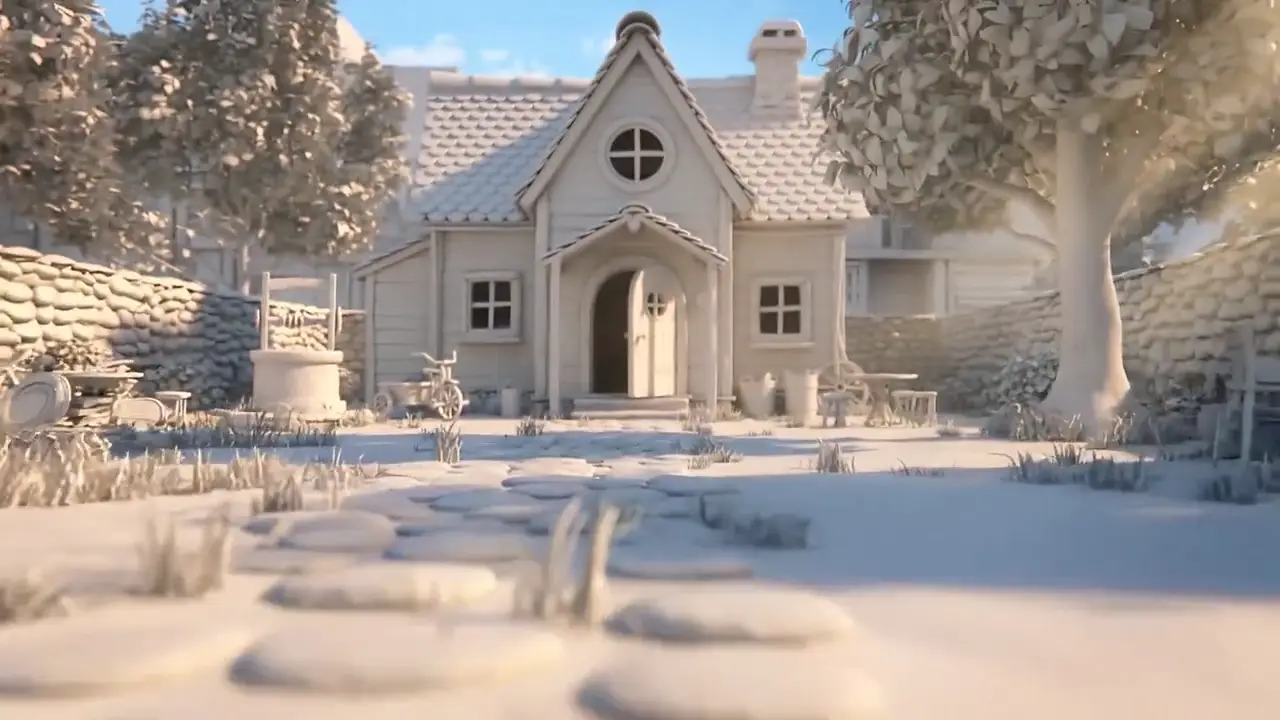
Using Video1 (the pure white clay-render animation I uploaded) as the sole blueprint, perform a photorealistic re-render: replace every object and character that is still a pure white matte clay model with real-world materials and colors, rendering a realistic live-action film look without changing anything other than materials and colors. [Absolute Invariants — Highest Priority] Camera motion path, speed and direction of every push, pull, pan, tilt, truck, and orbit, shot-scale switch timings, edit points, aspect ratio, total duration, composition, and perspective must match the reference video frame-for-frame—not one frame added or removed, not one second out of sync. Every object's position, orientation, relative scale, count, and mutual occlusion must be copied exactly—no additions, deletions, or shifting. Character bone structure, silhouette, hairstyle volume, body proportions, garment cut, and every motion, walking cadence, crouching reach, and door-push timing must match the clay video completely—no altered actions, no swapped characters. Sunlight direction, shadow angle and length, and frame-by-frame luminance distribution must follow the original clip. Only materials, colors, textures, and the resulting real optical behavior may change. [Photorealistic Conversion] Preserve the rounded clay silhouette and proportions while replacing all surfaces with real physical matter: plastered walls become genuine troweled cement with rain streaks, white efflorescence, and moss at the base; tiled roofs become fired clay terracotta tiles with color variation, chipped corners, dust, and dry grass and moss in the seams; doors and windows become aged solid wood with clear grain, worn paint, and cracks, and glass shows real refraction, fingerprints, and faint smudges reflecting sky and trees; stone steps become worn rounded granite polished at the edges by footsteps; wooden barrels and crates become weathered pine with splinters and nail holes, with genuine reddish-brown rust and rust drips on iron hoops and nail heads; the tricycle becomes chipped old blue sheet metal showing primer, oxidized white-rusted galvanized parts, and worn rubber tires caked with mud; the stone well becomes unevenly mortared bluestone with frayed hemp rope and dark damp water stains on the well curb; tree bark shows real fissures and lichen patches, leaves layer authentically with insect holes and backlit veins; paving stones have real cracks, stains, and soil-filled joints; grass tufts have real blades with dry yellow tips; brick walls show real kiln color variation and hollow mortar joints. [Character Photorealism] The little girl becomes a real child: an authentic East Asian child's face and skin with real pores, fine peach fuzz, and subsurface scattering, natural flush on cheeks and ears, deep brown irises with real texture and moist specular highlights, individual dark brown eyelashes and eyebrows, real hair strands in bundled locks with flyaways and light brown rim glow in sunlight; clothes are real cotton with weave texture, washed wear, and gravity-driven folds; shoes are real soft leather with scuffing and dried mud on the soles. Facial features must be wholesome East Asian features—almond-shaped eyes, gentle brow ridge, defined cheekbones, straight nose bridge—never Western Caucasian, mixed-race, or heavily made-up faces. The kitten becomes a real shorthair house cat, cream white with ginger-orange tabby markings, distinct fluffy rim-lit fur, pink nose tip, and pupils dilating/contracting with light. [Lighting] Strictly retain the clay video's light direction and shadows: warm sunlight slants from upper back-left at roughly 45 degrees with softly edged, uniformly angled shadows, visible dust motes, and subtle aerial perspective in the light shafts; after coloring, maintain a clear warm golden color temperature while shadows fall into cool, crisp sky-blue ambient fill for natural warm-cool contrast; keep all AO dark corners of the clay render as translucent shadow areas carrying bounced environment color with readable detail—never crushed pure black, and highlights never clipped to featureless white. [Image Quality] Ultra-HD 8K realistic live-action cinema look, full-frame shallow-to-medium depth of field, natural bokeh and subtle chromatic aberration, path-traced global illumination and true contact shadows, high-resolution non-tiling textures, natural motion blur, filmic color gradation and soft highlight roll-off. Style: live-action realistic film texture, natural-light slice-of-life drama, authentic materials and weathering. Quality: 8K UHD, full-frame shallow DOF, path-traced GI, filmic color depth. Lighting: warm sun key from upper back-left with crisp skylight fill, unified long shadows, translucent color-rich darks. Do not alter any camera movement, edit point, aspect ratio, duration, composition, or object placement from the original video; do not add or remove any object or character; do not change character bone structure, hairstyle, clothing cut, body proportions, or action timing; do not leave uncolored clay patches, partially white objects, missing-material gray blocks, or misaligned textures; do not produce cartoon, anime, illustration, plastic toy, or fake CG looks; do not produce Caucasian, mixed-race, or heavily made-up faces, face swaps, or age shifts; do not show wireframe grids, axis gizmos, software UI, or interface elements; do not add text, Chinese characters, English letters, numbers, labels, subtitles, watermarks, logos, or platform corner badges; do not allow flickering, texture swimming, clipping, limb distortion, extra fingers, noise, or blown-out highlights.
 1 input
- Voice timbre match
- Lip-sync acting
- 15s slow push-in
Seamlessly replace the woman in Video1 with the male character from Image1. The character sits by a window holding a phone to his ear and speaking. [Voice Timbre & Dialogue] Extract the voice timbre features from Audio1 and have the character say the following lines: "Really? That sounds amazing! When are you coming back? I miss you so much." [Lip-Sync & Expressions] The generated speech must accurately drive natural mouth opening and closing. Speaking is accompanied by natural blinking, slight head nods, and breathing, with subtle facial micro-expressions matching the care and nostalgia in the lines. [Lighting & Scene] The character's face naturally receives mixed warm indoor light and cool neon light from outside the window. Raindrops slide steadily and slowly down the windowpane in the background, faint steam rises from the coffee on the table, and the character blends naturally into the scene edges with zero cutout artifacts. [Camera & Quality] 15-second long take, camera pushes forward very slowly, rock-steady framing, cinematic lighting, 8K resolution, photorealistic.

 3 inputs
- 3 image + 1 video ref
- 14s choreography copy
- Cyberpunk Chinatown
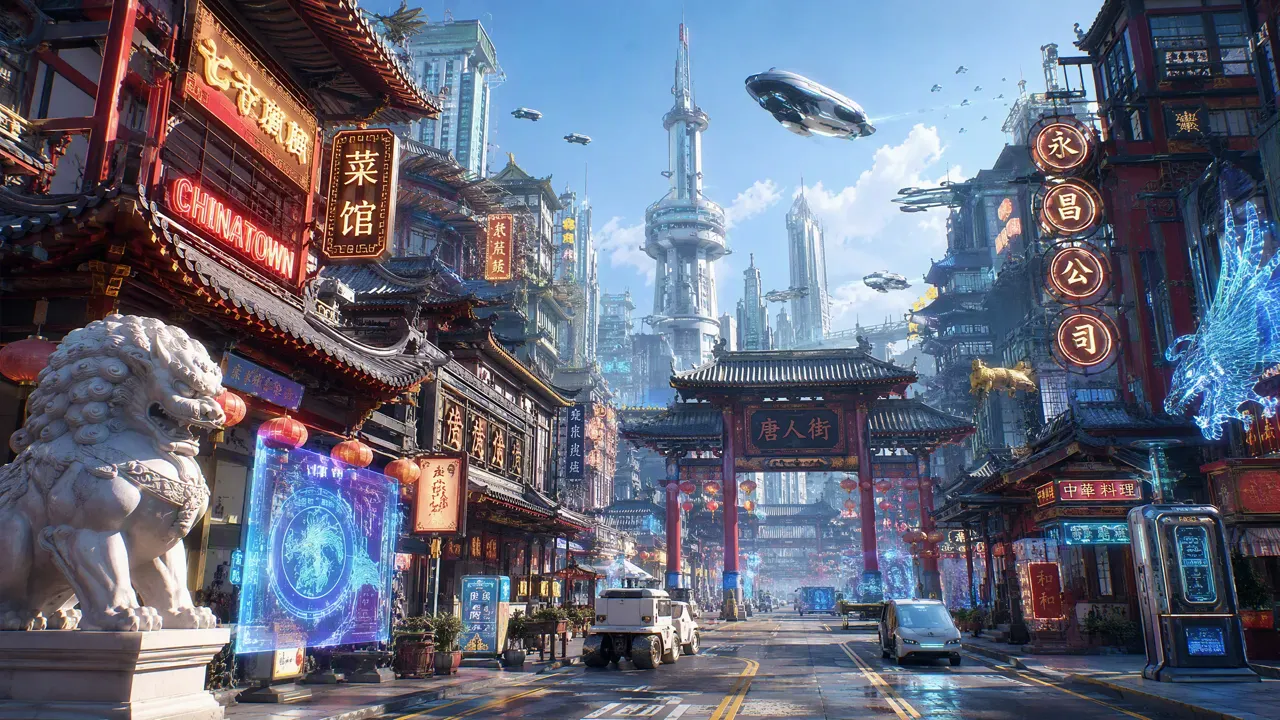
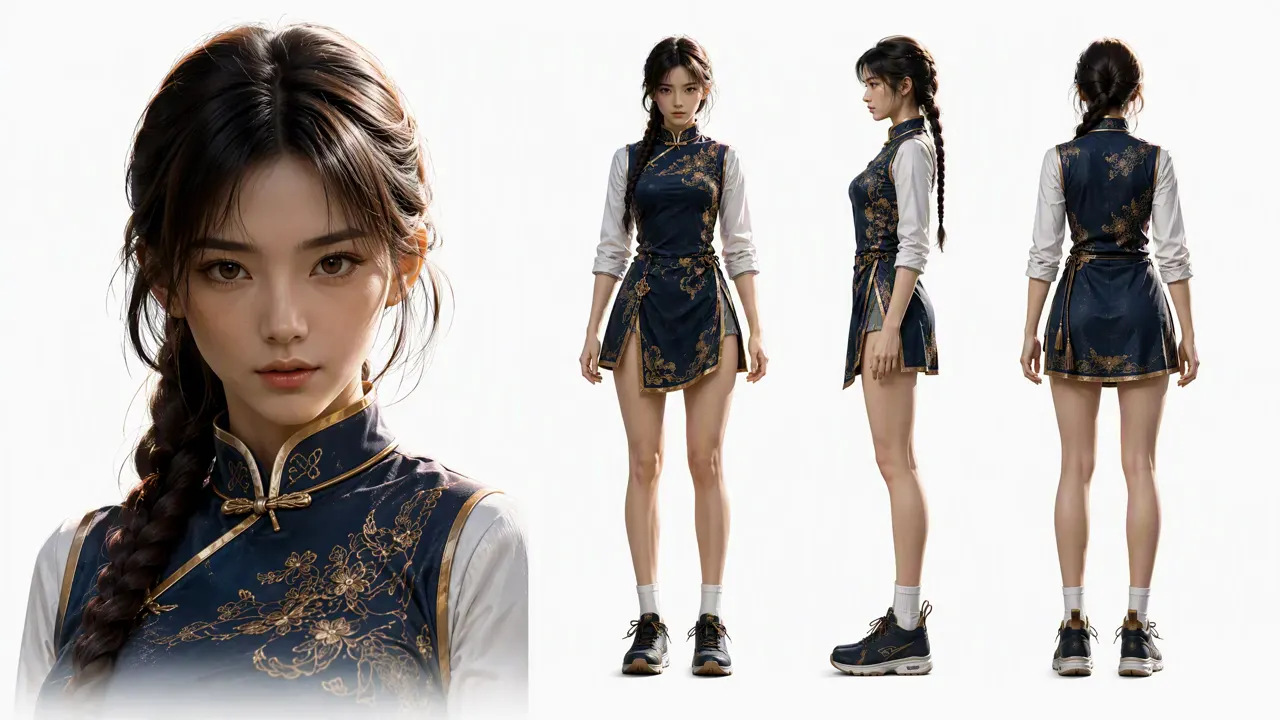
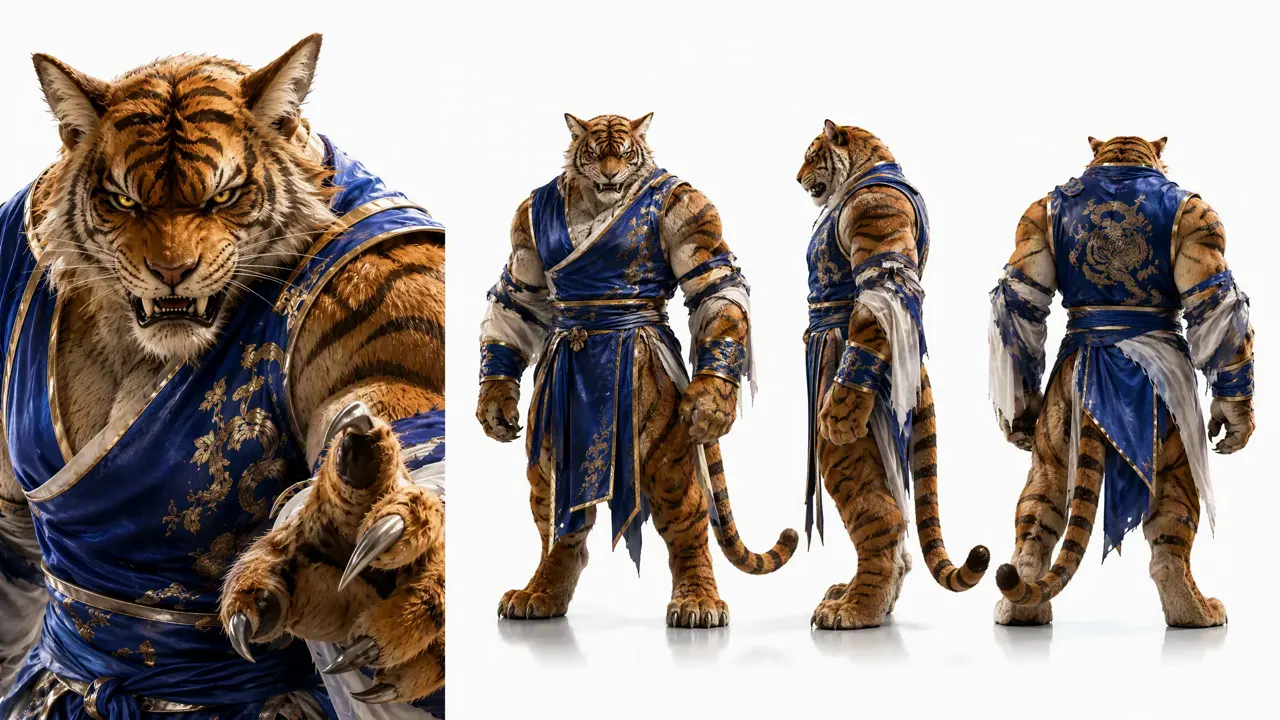
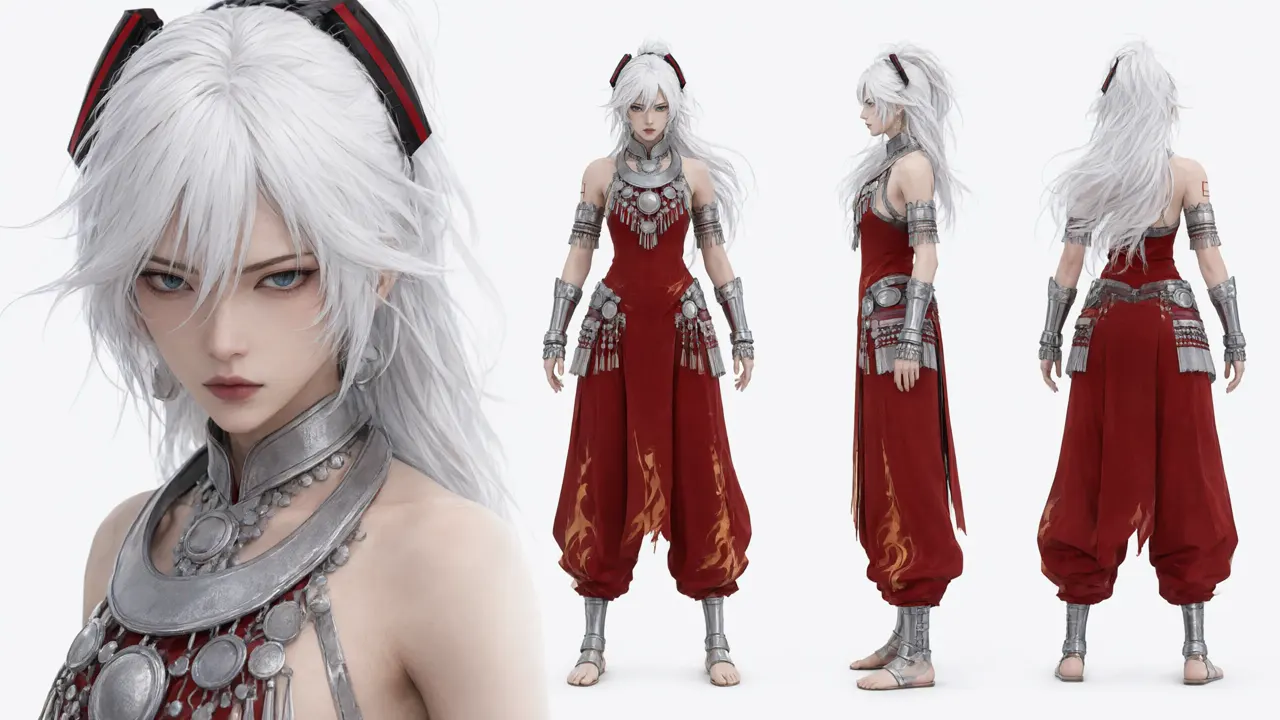
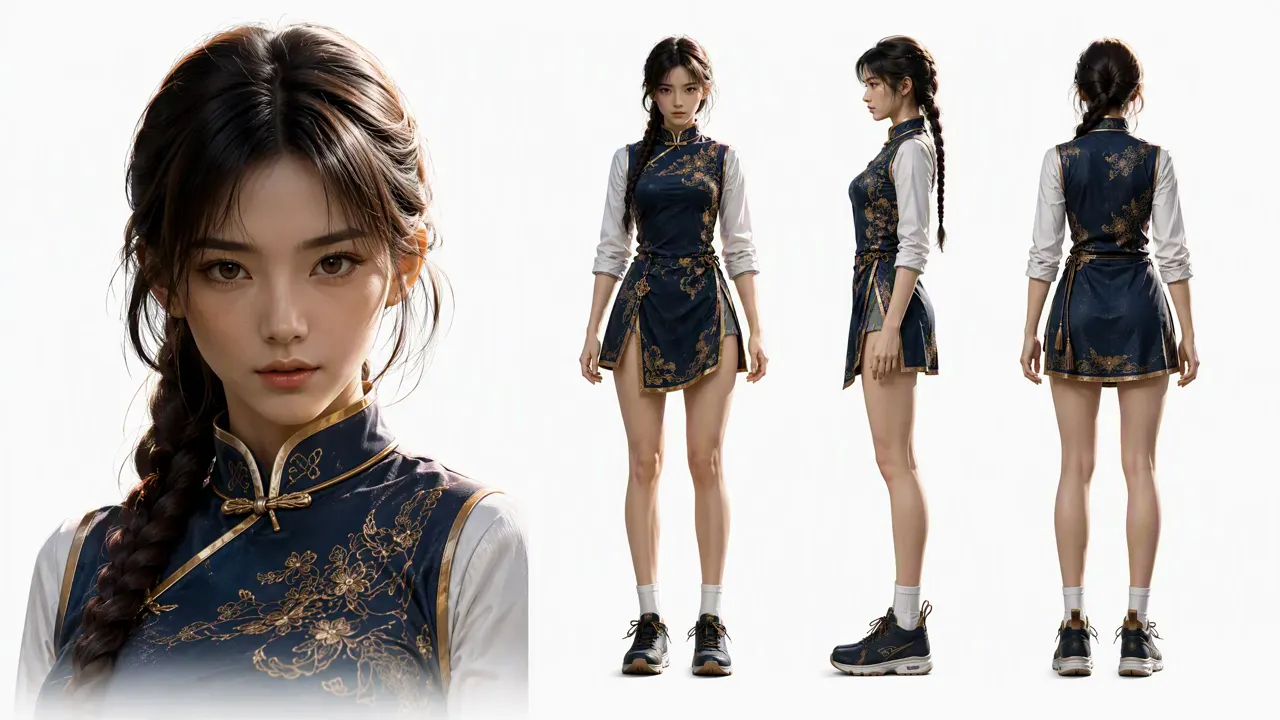
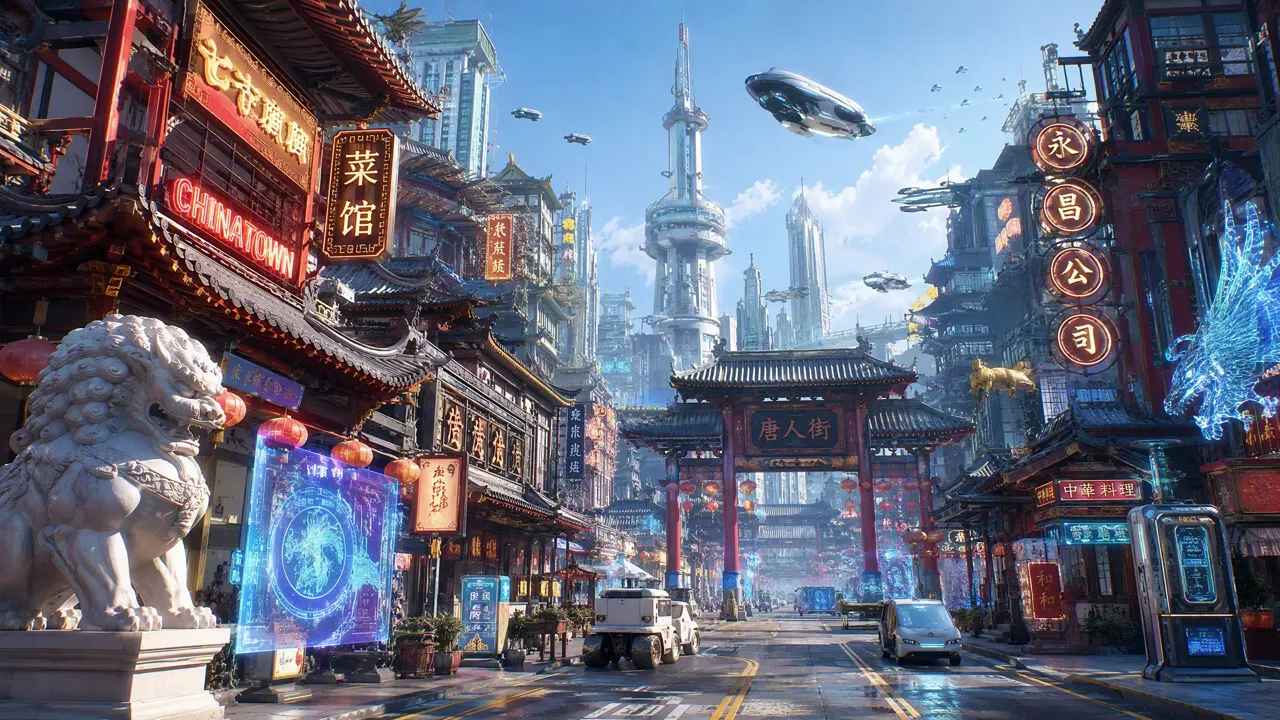
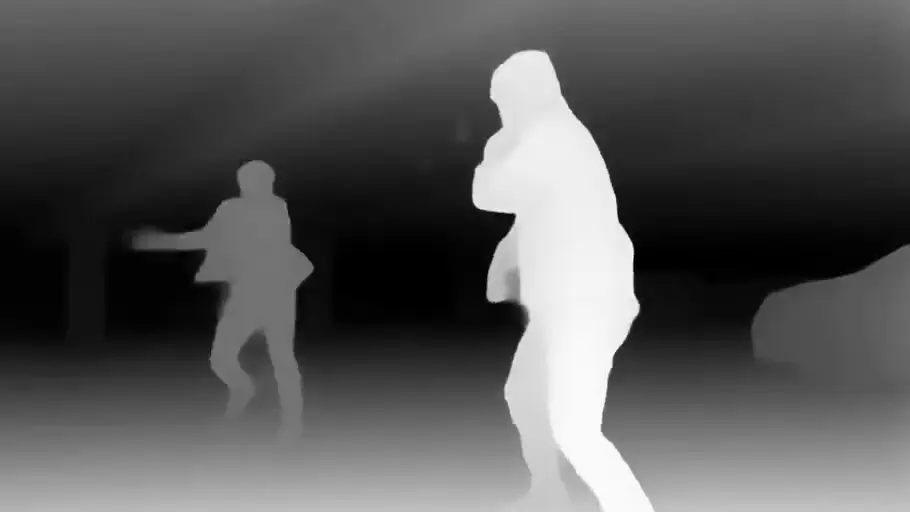
Referencing the character appearances in Image1 and Image2 and referencing only the motion from Video1, generate a 14-second fighting video. Keep the characters' facial features, hairstyles, body builds, and outfits true to the provided reference images and consistent throughout. Have the characters replicate all actions, poses, cadence, and pauses from the reference video—preserving exact action order, range, speed, and timing, keeping the original video's music unchanged, with expressions shifting naturally to match the action rhythm. Use the reference video strictly for motion control without inheriting its character appearances. The final output must be in normal full color with stable characters, fluid motion, and no subtitles or watermarks. Keep faces steady and body anatomy accurate, with natural fingers and limbs, no limb clipping, no pose tangling, and no malformed hand gestures; if the original video shows obvious hand or limb distortion—especially during spins—slightly adjust the hand motion to keep it natural. Use Image3's environment as the setting: a cyberpunk futuristic Chinatown street with a Chinese archway, neon signs, red lanterns, holographic billboards, stone lions, wet reflective asphalt, towering futuristic city skyscrapers, and flying vehicles in the distance. The two fight head-on in this street; keep the building structures, sign layout, lighting atmosphere, and color tone strictly true to Image3 without swapping to another location. Image1's character (black-haired girl in a dark gold-embroidered qipao vest, white shirt, and long braid) and Image2's character (white-haired girl in a red combat outfit with silver armor) are the two fighters—lock each fighter's look to her own reference image without mixing or swapping outfits or hair colors.
 4 inputs
- Exploded diagram
- Motion graphics
- 4K product tech
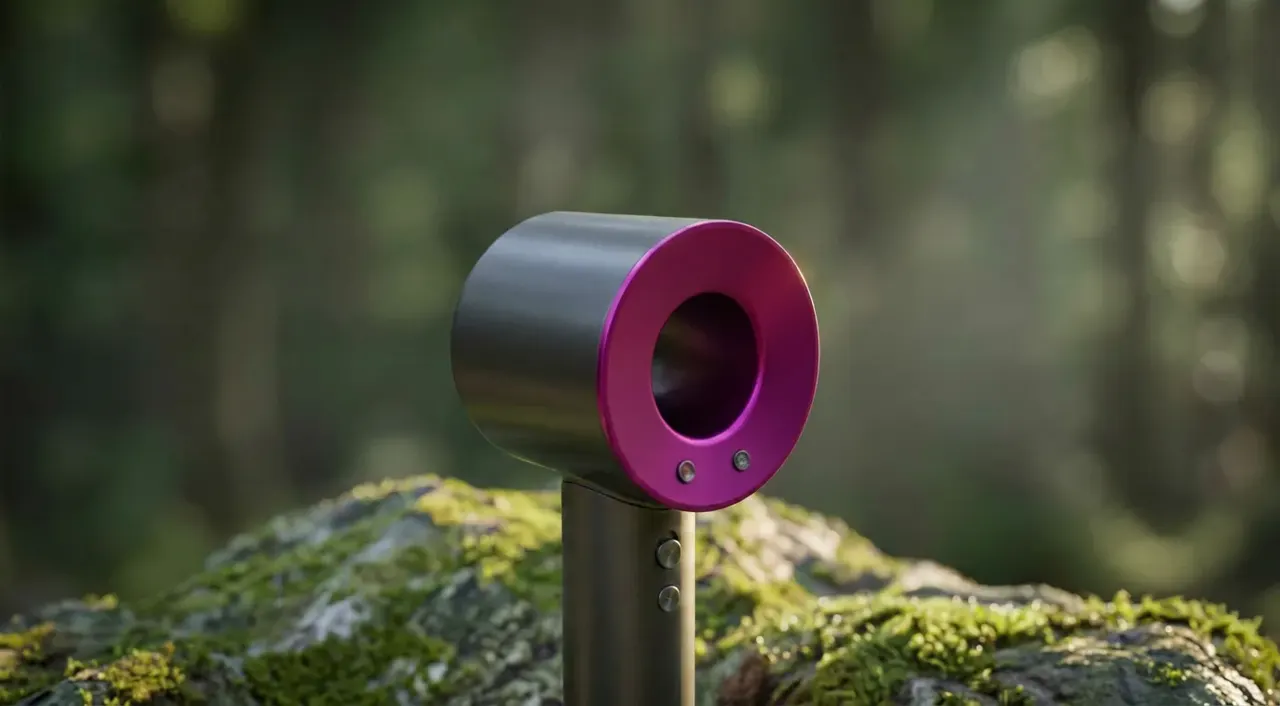
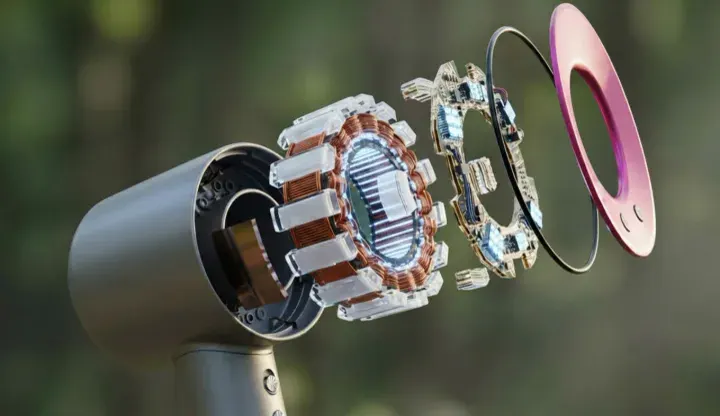
Transform Video1 into an illustrated graphic style: an exploded hair dryer diagram showing detailed internal components, a ring-shaped chip, an internal annular motor module, motion graphics, 4K ultra-HD.
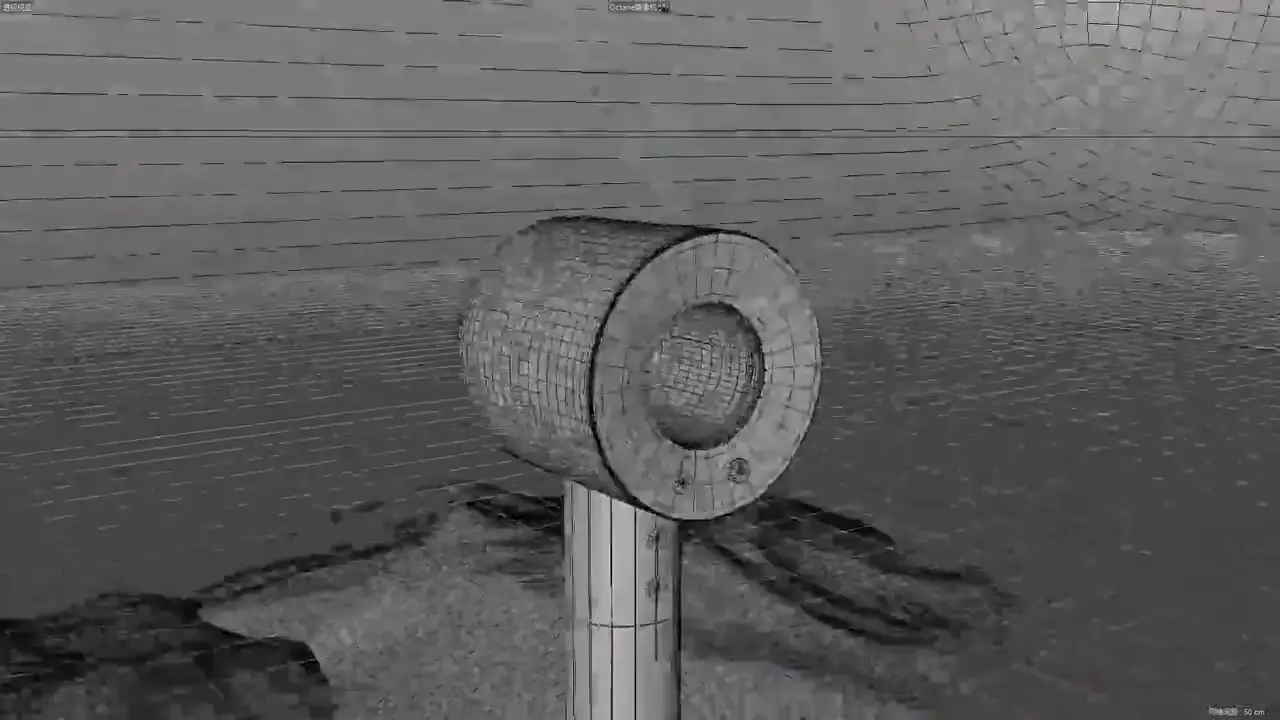 3 inputs
- MG animation
- Logo reveal
- Beat-synced motion
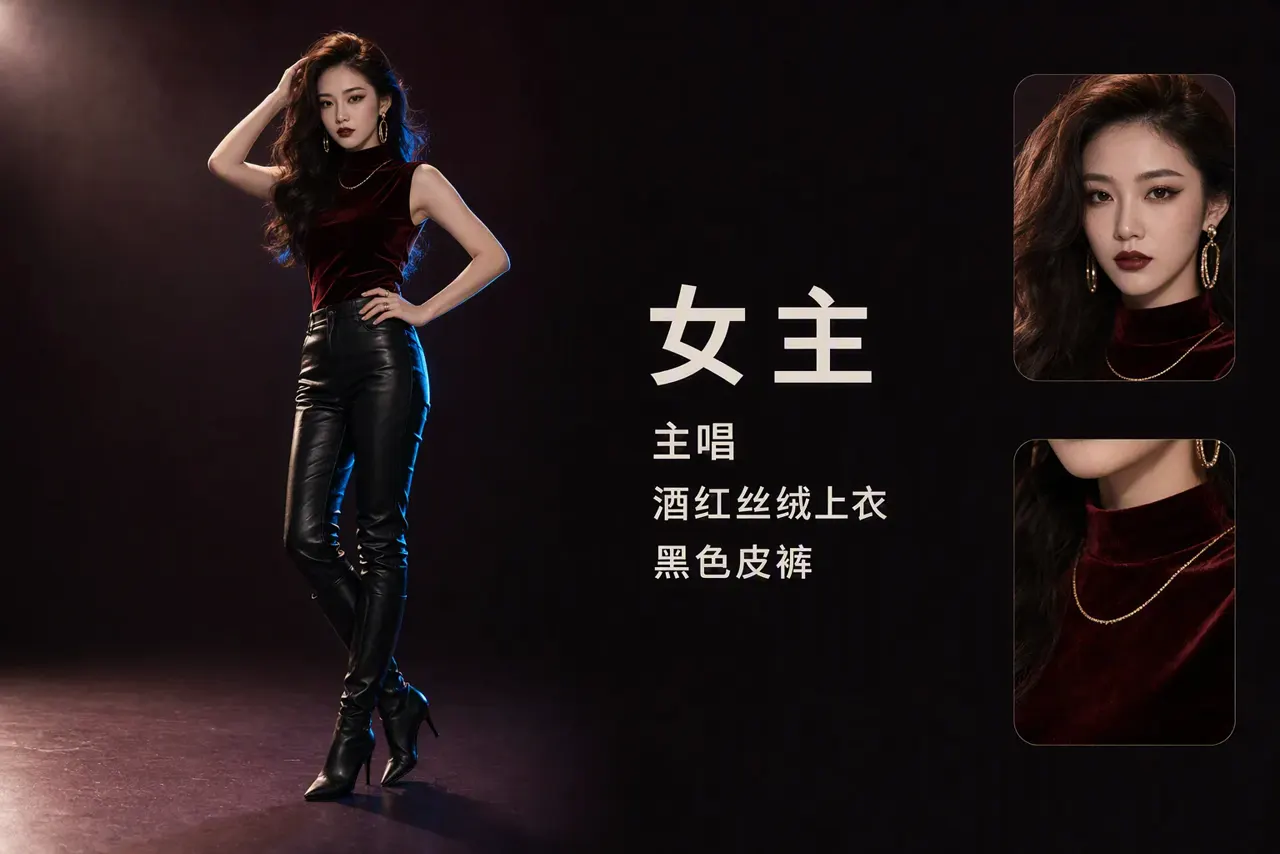
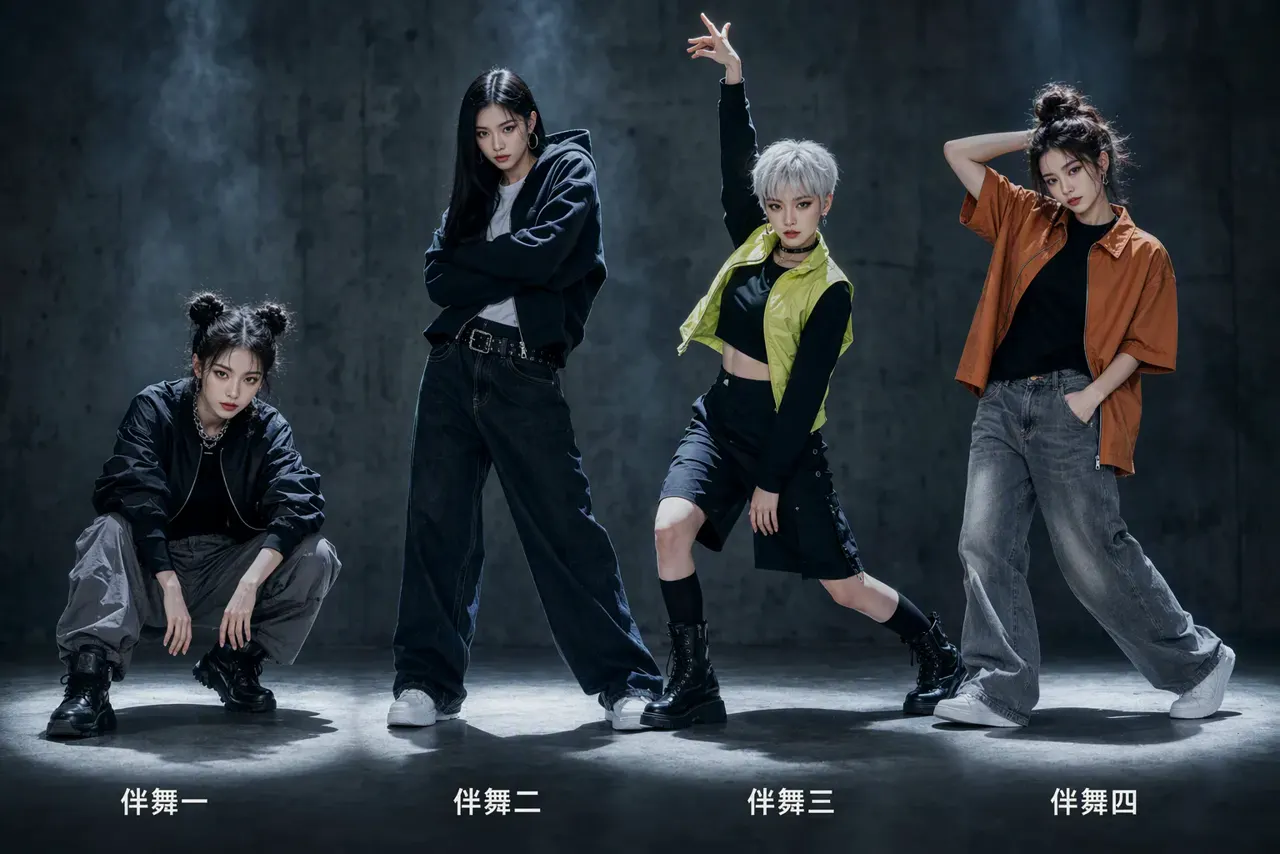
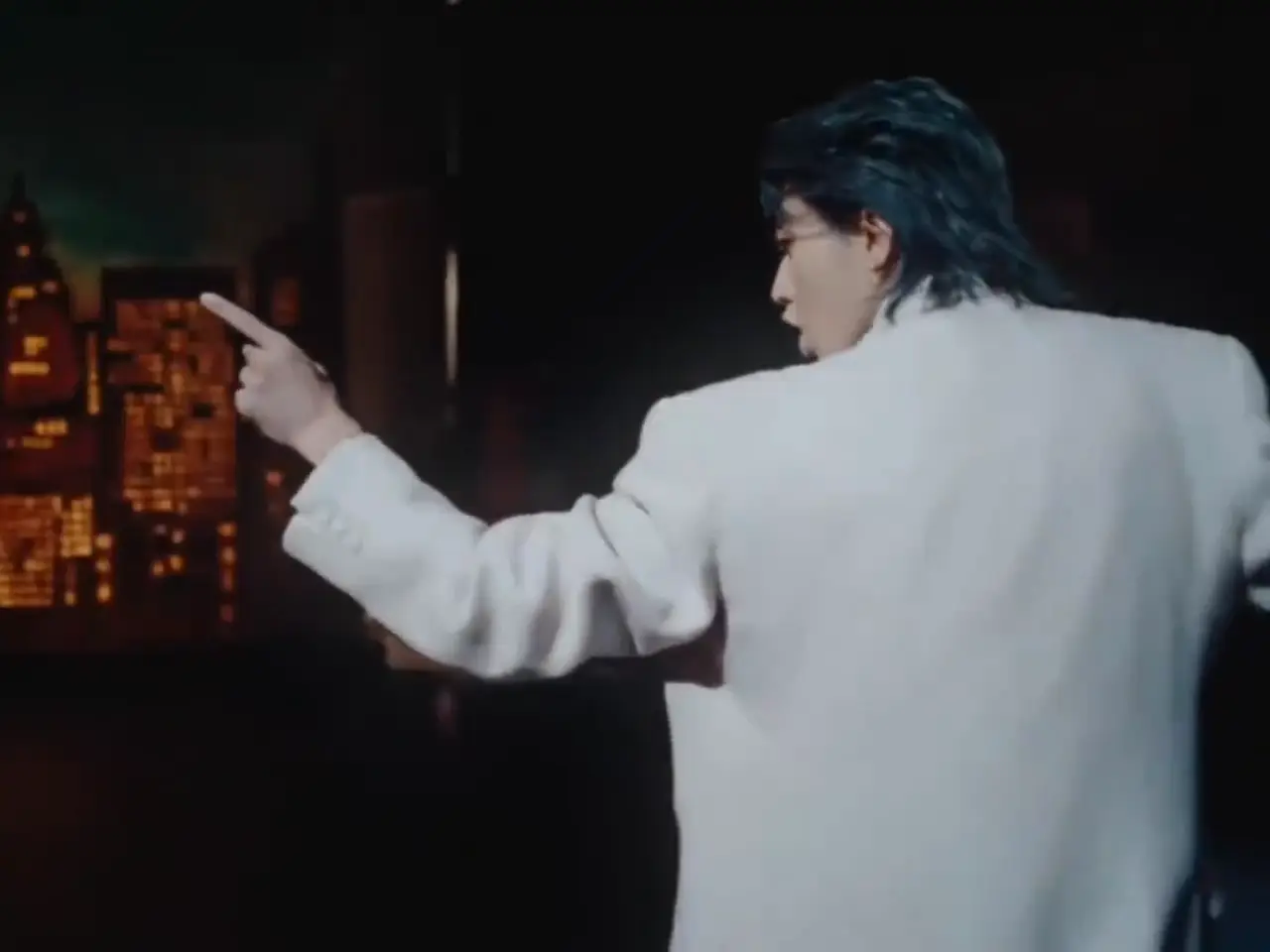
First frame: use Image1 as the opening first frame of the video. Last frame: use Image2 as the closing last frame of the video. Replicate the logo reveal VFX and dynamic text entrance effects from Video1, generating a professional MG (Motion Graphics) animation style with an overall clean, crisp, beat-synced, high-tech tone.


 3 inputs
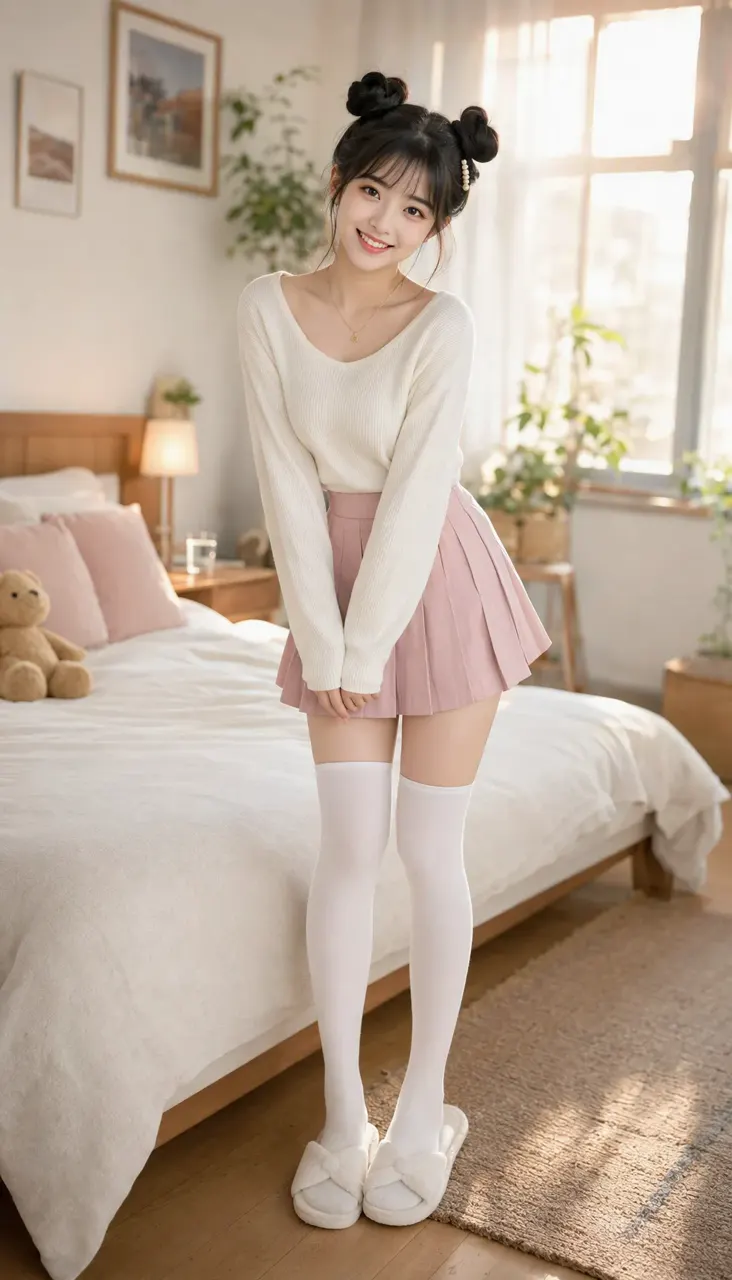
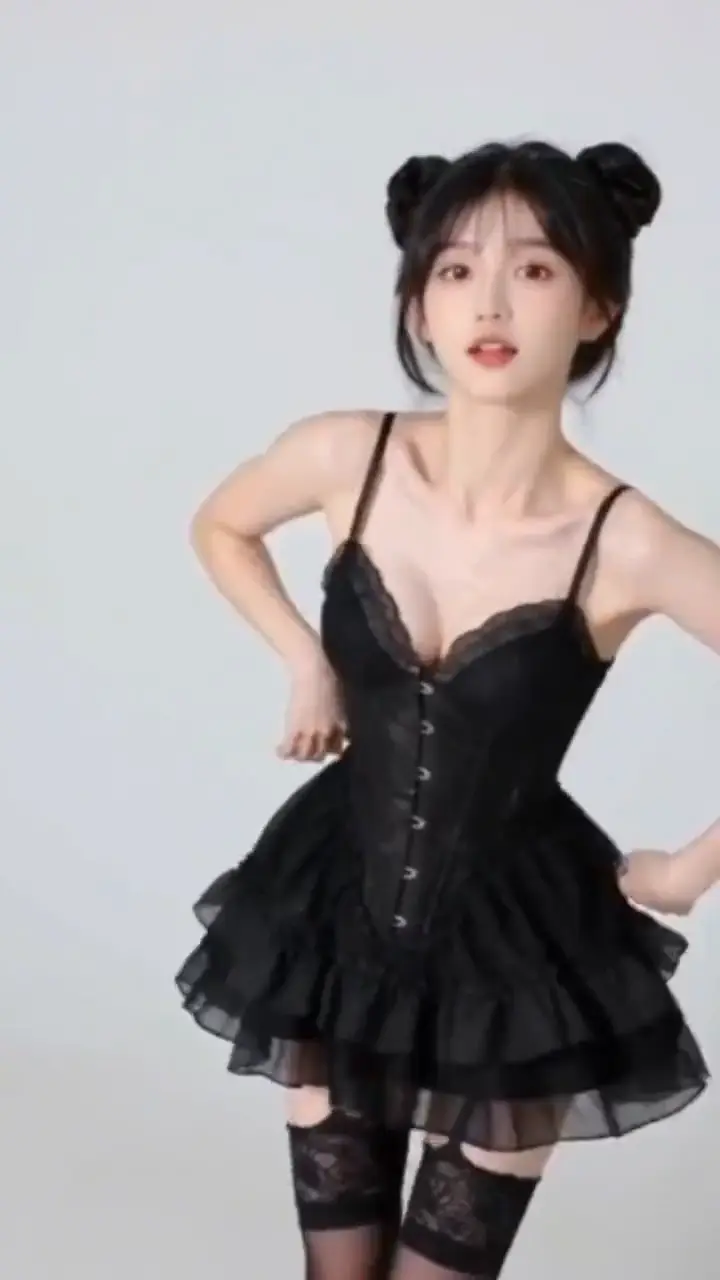
Audio reference
Set a voice, a beat or a mood from audio you upload.
- 2 image references
- 2 voice references
- Dialogue lines
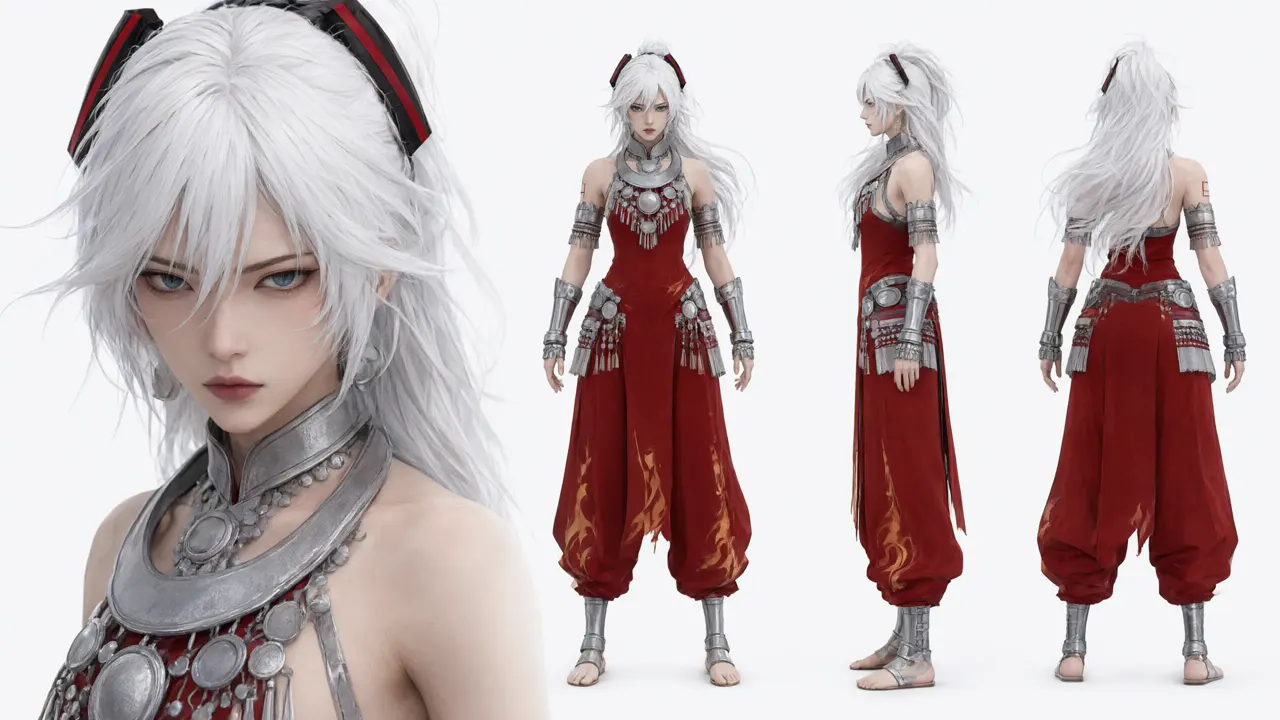
Define the woman in image 1 as Subject 1, and the woman in image 2 as Subject 2. Subject 1's dialogue voice timbre references audio 1, and Subject 2's dialogue voice timbre references audio 2. Inside a gym, Subject 1 and Subject 2 stand side by side next to a treadmill. Subject 1 turns her head, smiles, and says to Subject 2: {Which muscle group are we training today}. Subject 2, while wiping sweat with a towel, replies: {Let's do back, my legs are still sore from yesterday}. Subject 1 smiles and nods, saying: {Fine, I'll join you, but warm up for ten minutes first}. Subject 2 picks up a water cup, takes a sip, and replies: {Let's go}. The background is the weight-machine area and a floor-to-ceiling mirror. Realistic filming, bright and clear image, cool white tone with natural saturation.

 4 inputs
- 1 audio reference
- 9:16 vertical
- Beat-synced choreography
Vertical 9:16, full-body shot, fixed and stable camera. A young woman with long black hair, wearing a white floral-embroidered long-sleeved top, a white pleated short skirt with a black waist belt, and white thick-soled sneakers, dances an idol-style routine in a modern minimalist kitchen to the beat of the fixed audio. The background is light grey cabinets, a white island counter, and a dark night-view window; a square fill light behind her forms a rim light, and the indoor lighting is cool white. Choreograph the dance according to the rhythm, tempo, and emotional rises of the fixed audio: heavy drum beats correspond to crisp, large-scale moves and held poses; gentle passages correspond to soft body waves and hand gestures; chorus climaxes have denser, more explosive movement. Overall it is an idol-style dance, with coherent and fluid moves that are rhythmic and expressive, fully synchronized with the audio beats. Smooth motion, natural limb proportions.
1 input
- 3 reference types
- Timbre-matched dialogue
- Lip sync
Seamlessly replace the male character in image @Image1 into the woman in video @Video1. The character sits by the window, holding a phone to his ear and talking. [Timbre and dialogue] Extract the timbre features from @Audio1, and have the character say the following line: “Really? That sounds great! When are you coming back? I miss you so much.” [Lip sync and expression] The generated speech must drive the character's mouth opening and closing precisely and naturally. While speaking, add natural blinking, slight head nods, and a sense of breathing; the facial micro-expressions must match the caring and nostalgic emotion of the line perfectly. [Light and scene] The character's face naturally receives a mix of warm indoor light and the cool neon light from outside the window. Raindrops keep slowly sliding down the window outside, a faint trace of steam rises from the coffee on the table, and the edges of the character blend naturally into the scene with no cutout traces. [Camera and image quality] A 15-second long take, with the camera pushing in extremely slowly, a very stable image, cinematic lighting, 8K resolution, and photorealistic detail.

 3 inputs
Video editing
Change one thing in an existing clip and leave the rest as it was.
- Input video 1
- Object removal
- Background fill
Remove all the blue and yellow swim rings from the pool surface in video 1, and also remove the drawing paper, paint pots, brushes, and the black storage box on the stone slab by the poolside. Fill the gaps naturally with the surrounding pool water and stone paving. Keep only the woman floating in the pool; her posture and movements and the pool background stay unchanged.
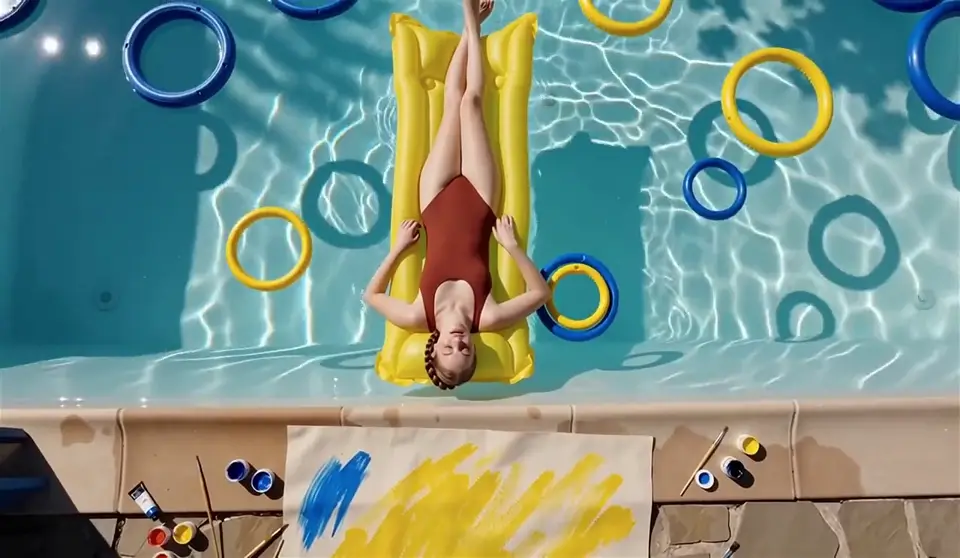 1 input
- Reference image 1
- Element addition
- Light matching
Edit video 1: on the empty spot on the wooden table to the right of the woman, add the vase from image 1. The light and shadow of the vase match the direction of the natural light from the window, blending naturally into the wooden-table scene. The woman's movements and the rest of the frame stay unchanged.
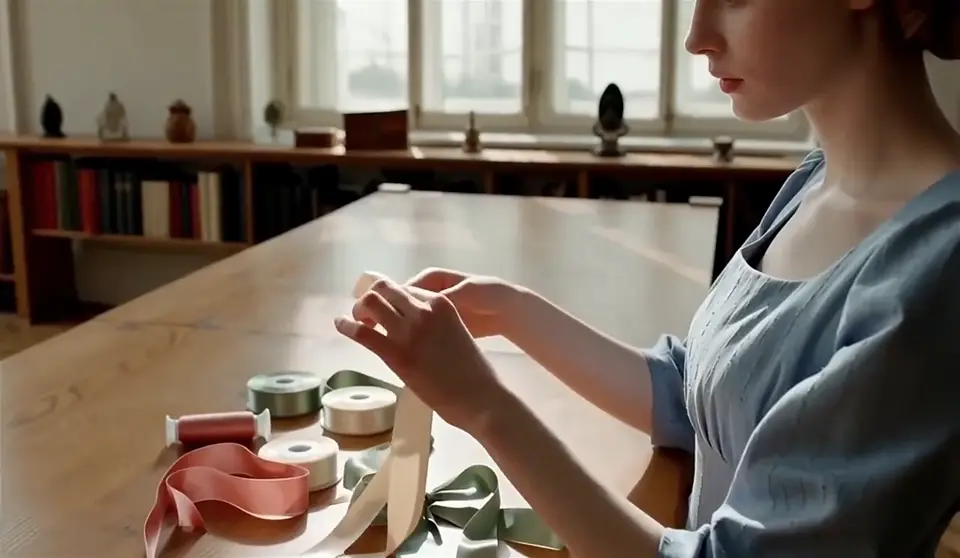 1 input
- Person removal
- Background fill
- Rest unchanged
Remove the man on the left in video 1, and naturally fill that position with the surrounding background. The other people, their actions, and the rest of the frame stay unchanged.
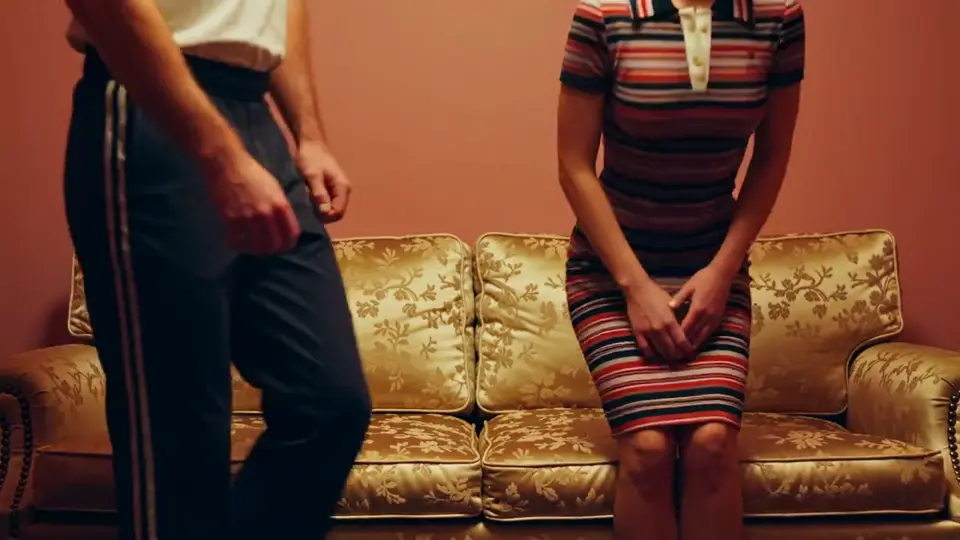 1 input
- Input video 1
- Character swap
- Outfit change
In video 1, the little girl becomes a young woman of about twenty with a mature face. Her dress is replaced by a slim long dress in the same color family. Her action of tilting her head back to look up at the city neon, along with her expression and demeanor, stays consistent. The Times Square street scene and the rest of the frame remain unchanged.
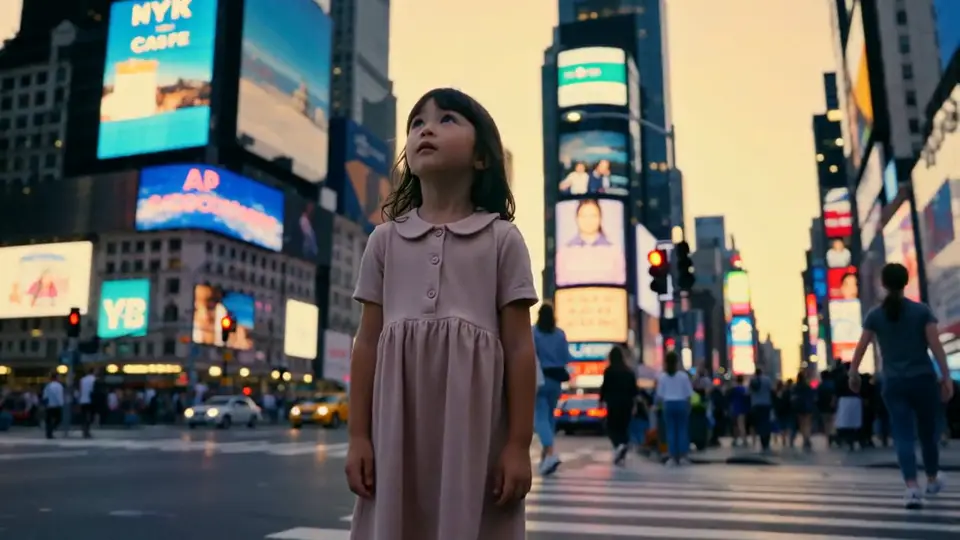 1 input
- Proportional scale-up
- Matched reflections
- Rest unchanged
In video 1, scale the sailboat on the left up proportionally to make it more visually imposing, with the mast and sail details more prominent. The water reflection is adjusted to match. The person on the right, the distant fleet, and the sea mist stay unchanged.
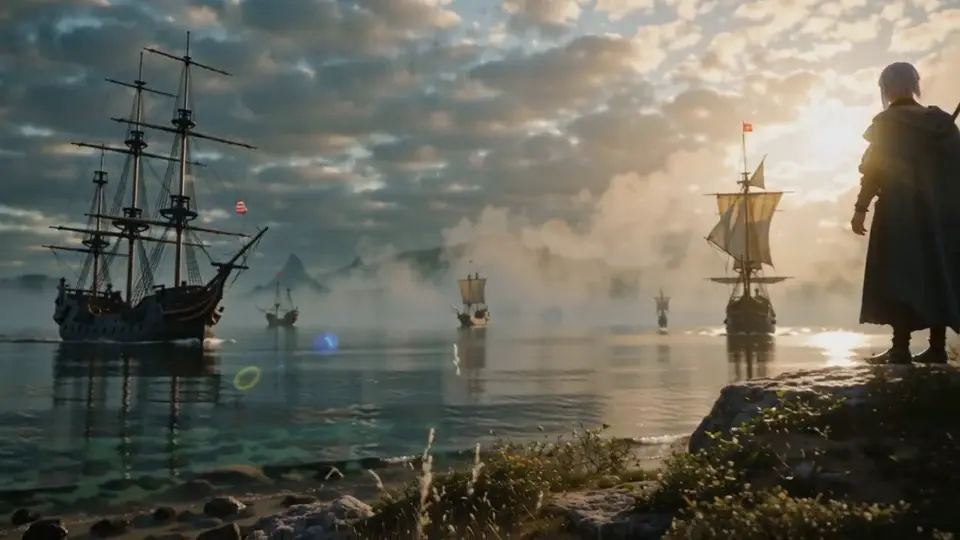 1 input
- Accessory removal
- Motion preserved
- Natural hairstyle
Remove the hat from the woman's head in video 1, revealing a natural hairstyle. The woman's movements and the rest of the frame stay unchanged.
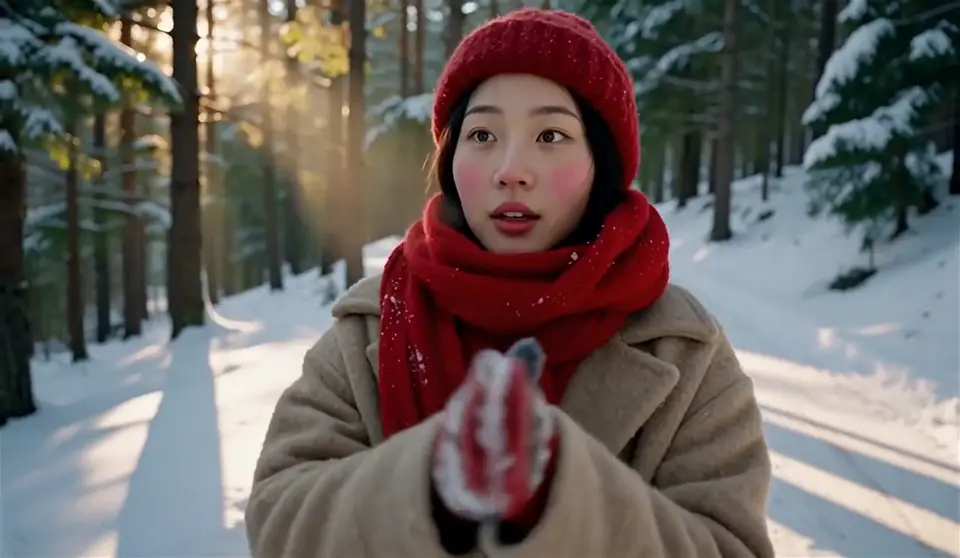 1 input
- Input video 1
- Element addition
- Tide interaction
Edit the content of video 1. Add a rock on the beach, half-buried in the wet sand; when the waves recede, let the seawater gently cover the base of the rock.
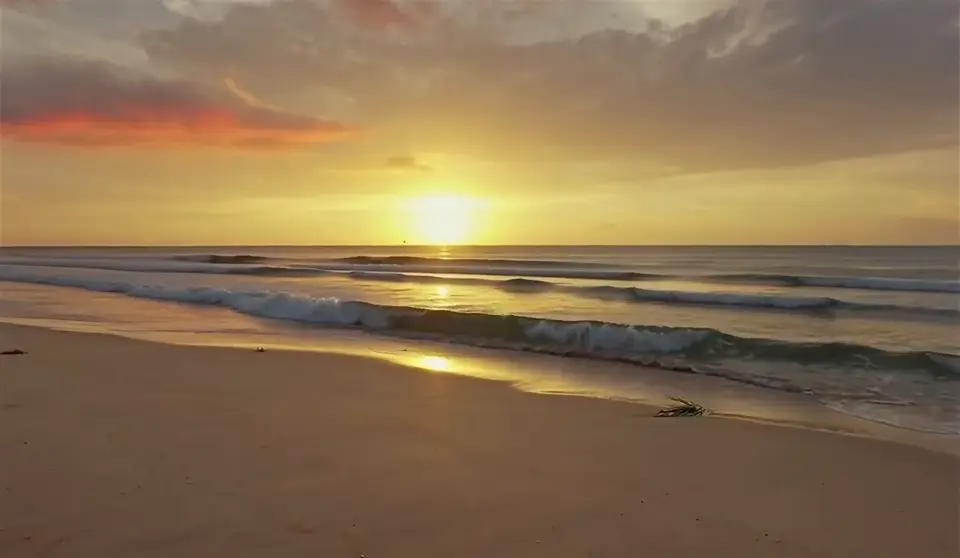 1 input
- Input video 1
- Character swap
- Protective gear kept
Edit the video: replace the skateboarder in video 1 with a short-haired woman wearing a sports tank top and loose cargo pants. Keep the baseball cap and the protective gear, such as knee and elbow pads, from the original video. The skateboard moves, motion trajectory, and skate park background stay completely unchanged.
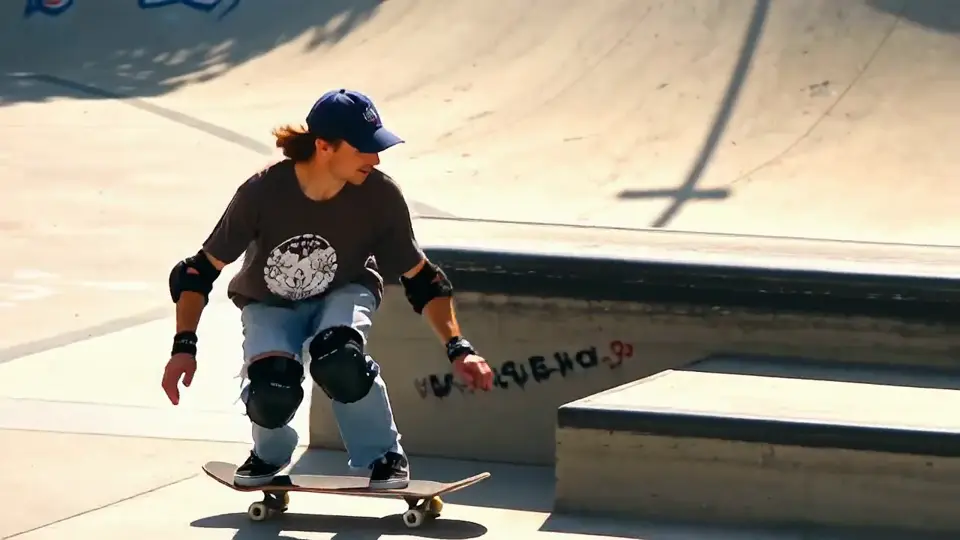 1 input
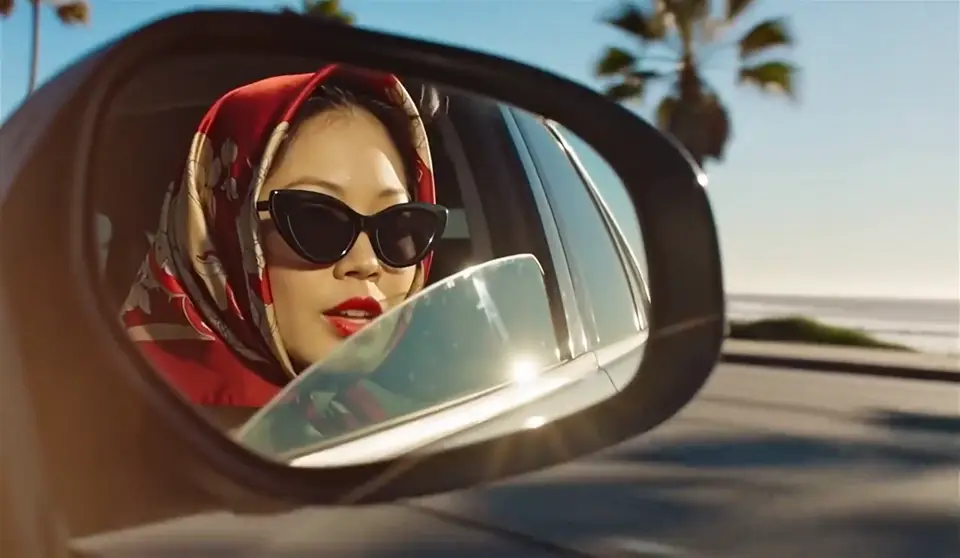
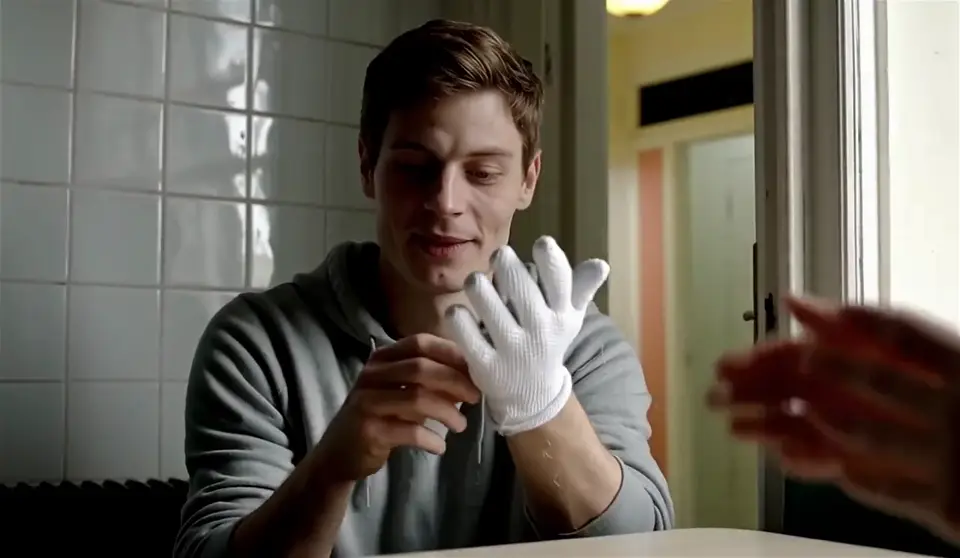
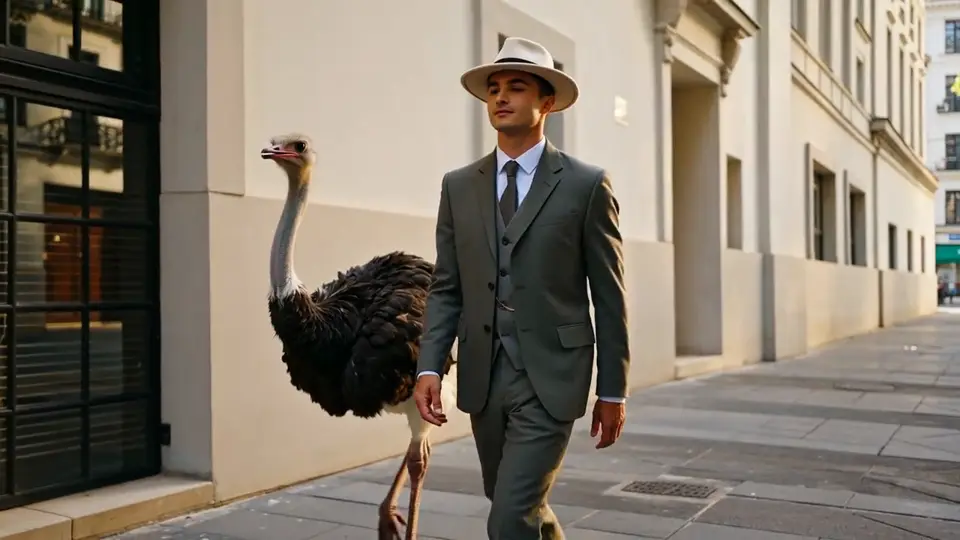
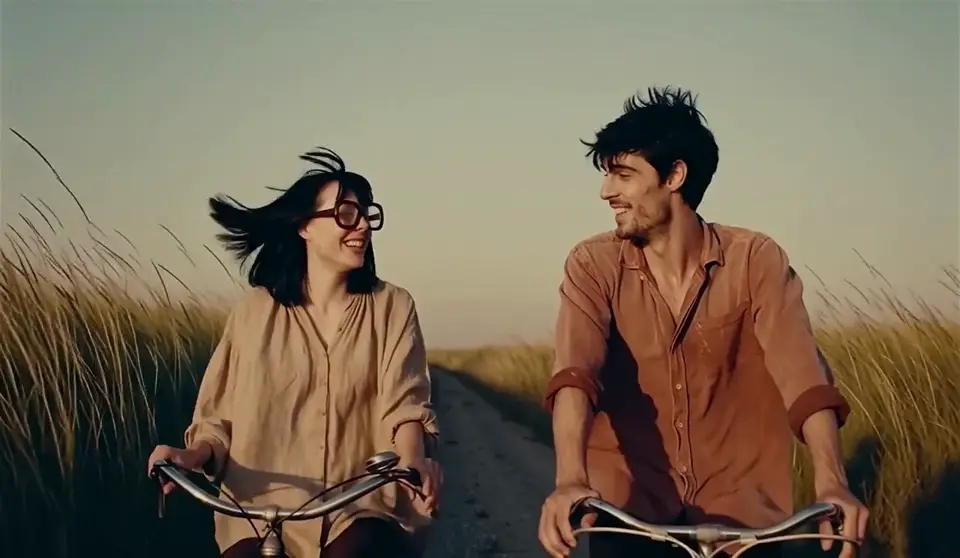
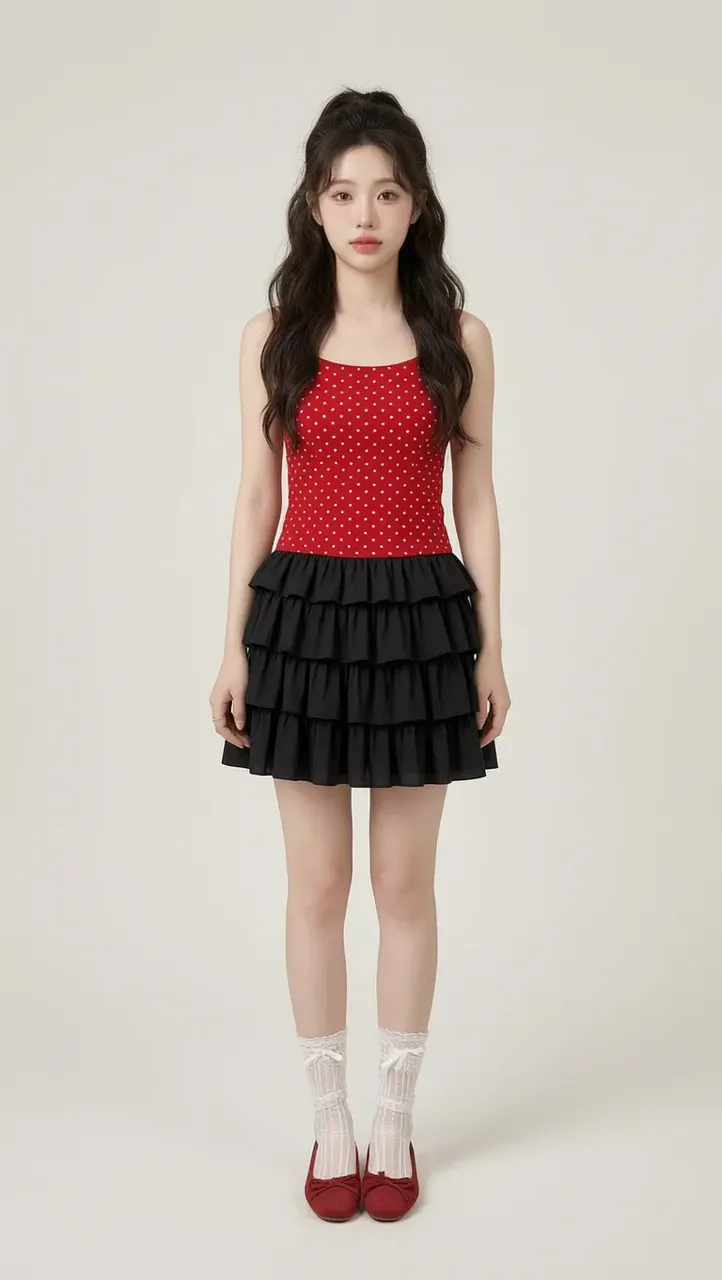
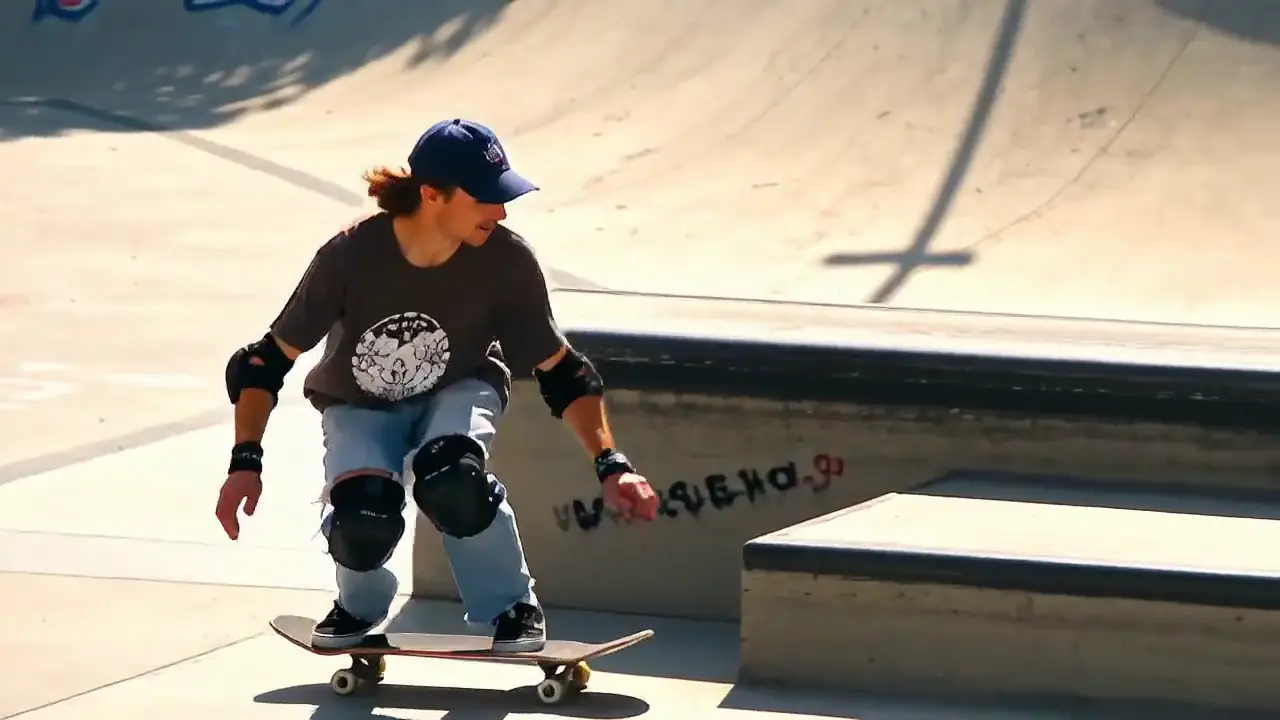
Video extension
Continue a clip with new action, dialogue and sound.
- Extend 15s backward
- Dialogue scene
- Republican-era style
Extend video 1 by 15 seconds. Character A is a man with a slicked-back hairstyle, wearing a dark grey Chinese long gown, with a brown prayer-bead bracelet on his left wrist. Character B is a man wearing a dark Chinese long gown. Character B slowly sets down his tea bowl, his gaze sinking slightly, and taps the tabletop twice with his fingertip, saying calmly and unhurriedly: “The price can be discussed, but when will the goods arrive at port? Give me a definite date.” Character A's smile does not fade; he picks up the lidded bowl and scrapes off the tea foam. Character A sips his tea, sets the bowl back on its saucer, leans forward and lowers his voice, the prayer beads swaying slightly with his gestures, and says with assurance: “By the end of the month at the latest. I've already arranged everything at the dock over there, and the whole shipment will be delivered to your warehouse door in good order.” He then presses his right palm down onto the tabletop, palm facing down, and looks directly at Character B. Character B pauses in thought, his gaze sweeping toward the window and the signboard reading “萬安當”, while a bamboo blind is gently lifted by a breeze from the street. He turns back, a smile rising at the corners of his mouth, lifts the lidded bowl slightly toward Character A and says: “Good. Delivery by month's end. I'll be waiting for good news from you.” The two look at each other and smile. Maintain the composed tone of a Republican-era commercial drama, with unhurried dialogue rhythm and low, murmuring teahouse ambience as the bed of sound.
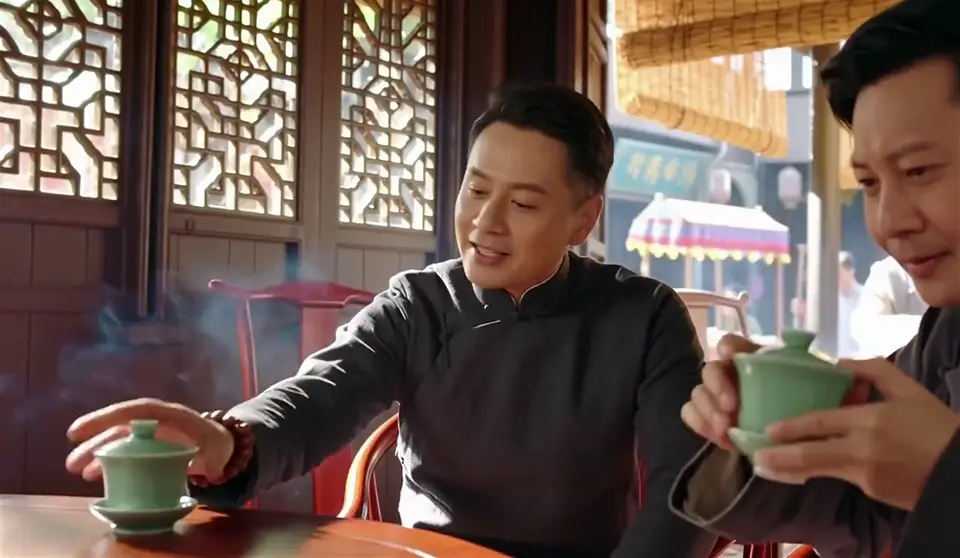 1 input
- Extend 15s forward
- Waltz steps
- Court ball setting
Extend video 1 forward by 15 seconds. Character A is a man with short brown hair, dressed in a black tailcoat, white shirt, black bow tie, and a beige waistcoat. Character B is a woman with a brown updo, wearing a beige puff-sleeve vintage long dress with black lace trim on the skirt and dark teardrop earrings. Under the crystal chandeliers of the ballroom, the light falls onto the marble floor. Guests stand in twos and threes, chatting quietly with glasses in hand, and a graceful waltz string prelude slowly begins; the conversation gradually quiets. Character B walks slowly in from one side of the ballroom, the hem of her skirt brushing lightly across the marble floor, her gaze sweeping around. Character A steps out from the crowd, passes between the guests and walks directly to Character B. He bows slightly and extends his right hand, looking at her tenderly. Character B lowers her eyes with a faint smile and lightly rests her right hand in his palm; the two exchange a smile. Character A leads Character B to the center of the dance floor, and the surrounding guests naturally step back to make room, their gazes converging on the two. Character A lifts her right hand with his left, his right hand gently supporting the small of her back. The two take their waltz position and, on the strong beat of the strings, step off with the first step and begin to turn. The elegant atmosphere of a 19th-century court ball, in warm golden tones.
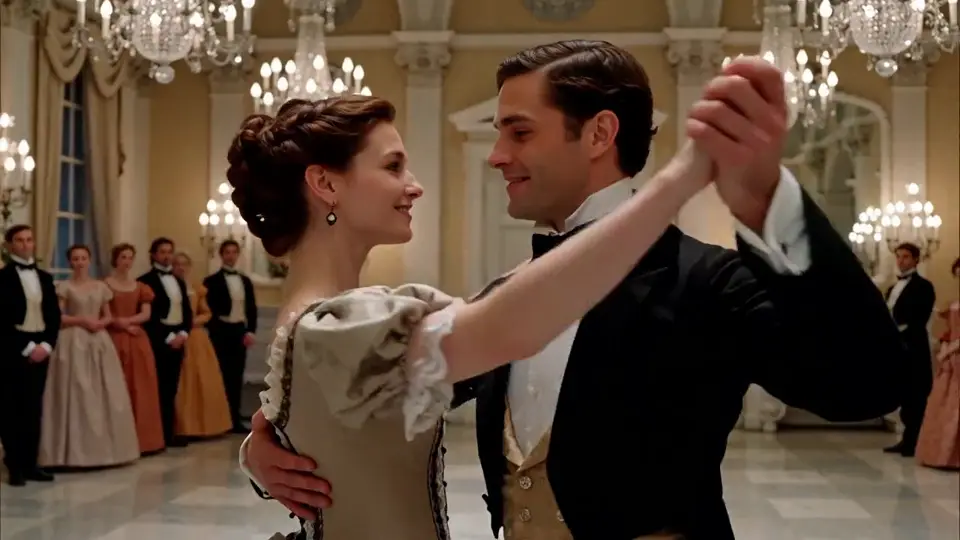 1 input
- Extend both ways
- Snowfall scene
- Backlit flare
Extend two seconds forward, using the video as the middle section: the camera smoothly follows, and the girl slowly walks toward the lens, stops, gently lifts her head slightly, takes a deep breath of the cold air, with her lips slightly parted. Extend three seconds backward, using the video as the middle section: the girl finishes rubbing her hands, looks straight into the lens, and breaks into a warm, radiant smile. She slowly raises one gloved hand to catch a lightly falling snowflake, and the camera slowly pulls back to a medium-wide shot, revealing a snowy forest path in sunlight, with golden-hour backlight, lens flare, shallow depth of field, and a warm, healing atmosphere.
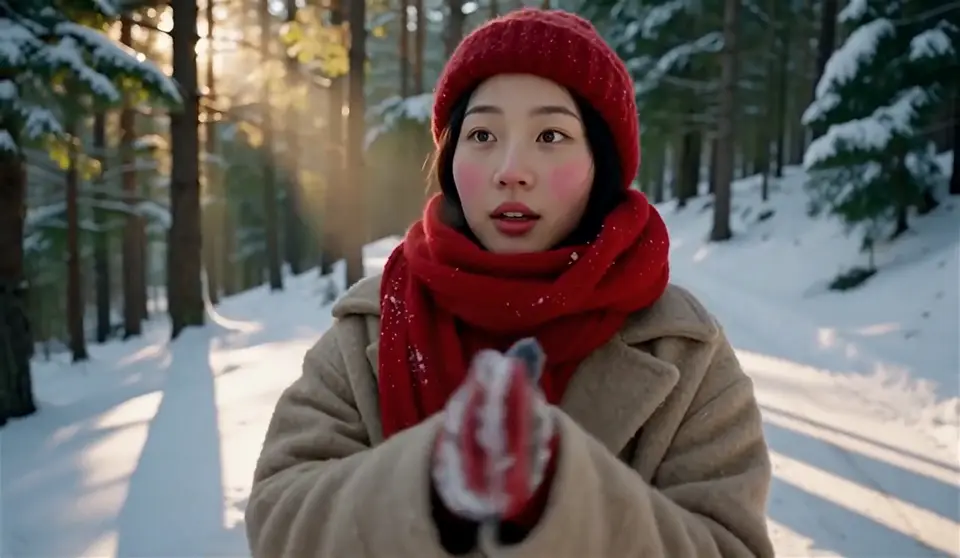 1 input
First and last frame
Pin the opening frame, or both ends, and describe what happens between them.
- 1 reference image
- 5 timed segments
- Ink-wash style
(0:00 - 0:03) Camera: medium shot. Scene: continuing the ink-wash bamboo grove scene from @Image1. A swordsman in a bamboo hat and a black-ink robe stands motionless, his silhouette at the center of a bamboo grove wrapped in thick mist and swaying shadows. Action: the swordsman's left hand rests lightly on the sword hilt, and bamboo leaves drift down in the wind. Mood: silent and oppressive, with the grain of ink-wash blooms clearly visible. (0:03 - 0:08) Plot introduction. Camera: close-up. Plot: the swordsman senses killing intent. Scene: the camera quickly pushes in to a close-up beneath the swordsman's bamboo hat. Detail: the edge of the hat reveals a pair of sharp, resolute eyes, like blades. An ink-wash "bead of sweat" slides down from the forehead. Action: the swordsman's right hand slowly tightens on the sword hilt, the knuckles going pale. The bamboo leaves fall faster. (0:08 - 0:13) Camera: fast orbit. Scene: the camera orbits rapidly around the swordsman as its center. Plot: two assassins, also rendered as ink-wash silhouettes, burst out from deep within the bamboo grove, holding twin hooked blades and short daggers. Detail: the assassins' movements are also formed of ink-brush strokes, like flowing ink. The camera sweeps quickly across the assassins' figures, emphasizing speed. (0:13 - 0:18) Camera: handheld feel, high-speed capture. Combat: the swordsman suddenly draws his blade, and the blade's light is a pure white ink-brush crack. The assassins attack with their hooked blades. Detail: First strike: the swordsman turns and cuts back; the blade collides with the assassin's hooked blades, bursting out countless black-and-white sparks and ink dots with a calligraphic quality. Second strike: the swordsman feints, then uses the bamboo pole's spring to strike down from above. The assassin rolls to dodge. The bamboo pole is cut through and turns into scattered ink traces. Third strike: the swordsman's blade tip points directly at the other assassin's throat; the assassin blocks with a short dagger, and the camera captures the fine detail of ink cracking where blade meets dagger. **(0:18 - 0:20) Camera: slow motion to freeze frame.** * **Frame:** the swordsman's blade rests against the side of an assassin's neck, and the assassin freezes. * **Detail:** the swordsman's bamboo hat is slightly tilted from the fight. The bamboo grove returns to stillness, with more leaves dancing in the air. * **Mood:** the camera slowly pulls back to a medium shot, freezing on the image of the swordsman sheathing his blade while the assassin falls to the ground. * **On-screen text (optional):** ink-wash style text appears at the bottom of the frame: "江湖,不过一笔勾销。" **Style notes:** the whole sequence keeps the highly monochrome, ink-wash painting style of image_0.png; the movements must have brush-stroke texture, the speed must be fast, and details must be rich (ink drops, sparks, ink-trace cracks).
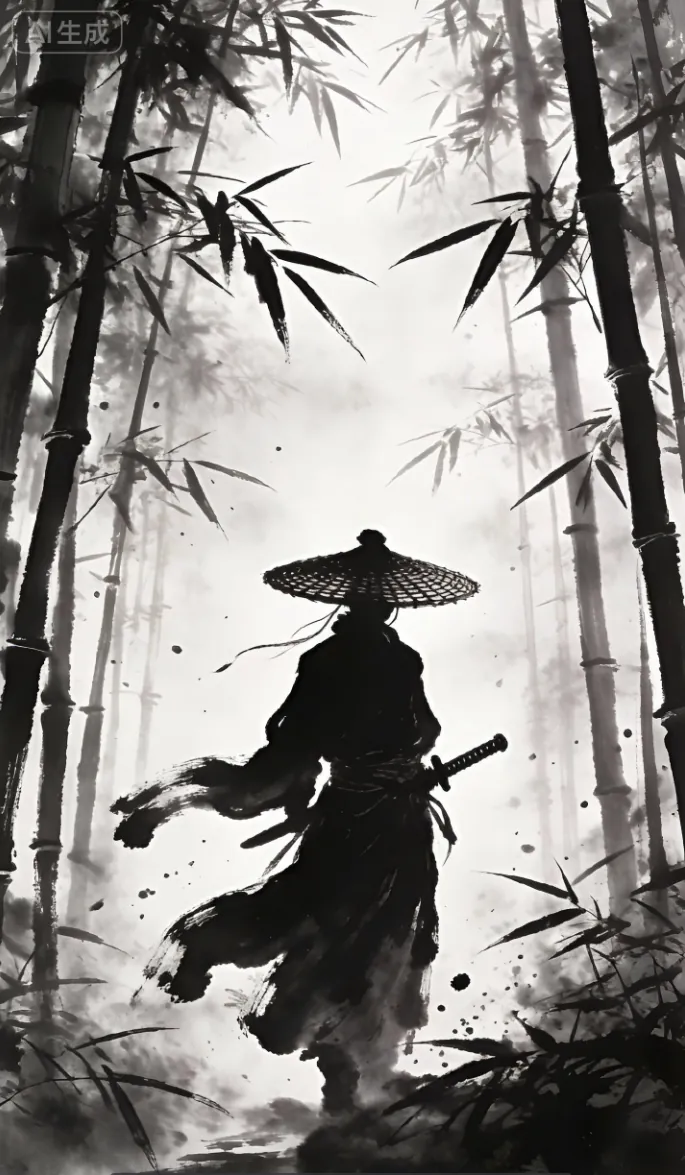 1 input
- First-last frames
- 4 timed shots
- 35mm film look
Shot 1: a beautiful past (00:00 – 00:08) 35mm film, a nostalgic sunlit garden. An elegant woman in a straw hat, a black necklace, and a white dress stands in front of a wall of blooming roses. The wind lifts her hair, and she touches the brim of her hat, her eyes gentle yet touched with a trace of reflection. The camera slowly pushes in; natural light flares, a soft warm color palette, shallow depth of field, extremely delicate motion, 4K high image quality. Shot 2: a turning point of emotion (00:08 – 00:15) Cinematic close-up. The woman slowly removes the straw hat from her head and lowers her head, her expression carrying a faint wistfulness and attachment. A soft breeze passes; the light and shadow in the frame change subtly, presenting a sense of story and narrative atmosphere, with 35mm film texture, deep and elegant, cinematic light. Shot 3: returning to reality, inside the car (00:15 – 00:23) A view from the back seat of a moving car: the same woman in profile, her hand resting on the car door, gazing at the window covered with raindrops. The blurred greenery and light outside the window recede quickly; the light inside the car is gloomy yet warm, her side profile is exquisite, extremely cinematic in emotion, with real film grain, slow-motion photography, elegant and melancholy. Shot 4: the last lingering gaze (00:23 – 00:30) An extreme close-up of the face. The woman slowly closes her eyes beside the car window, revealing a calm, released expression. Raindrops slowly slide down the glass of the window; the focus gradually shifts to the raindrops on the glass, the background figure blurring, and the frame gradually fades to a black screen. Wong Kar-wai style cinematic feel, deep-hearted and fluid.
 2 inputs
- First-last frames
- 4 timed segments
- Mineral-pigment look
[One unbroken take, slow and lyrical camera movement, no editing, 15-second long take, mineral-pigment rock-painting texture colliding with 3D rendering, teal-blue × gilded-gold contrast] Global settings: a Chinese-style rock-mineral painting texture, the grain of mineral pigments, gold-leaf texture, and a strong contrast of teal-blue and gilded gold. The setting is West Lake in the morning mist: the lake surface is a matte teal-blue wash, golden morning light pierces the clouds to form Tyndall light beams, and in the distance the stone pagodas of Three Pools Mirroring the Moon and the Leifeng Pagoda faintly appear through the fog. Nearby there are lotus leaves and lotus flowers. The main subject of the image is the water goddess of West Lake, "Xizi": rendered in a rock-painting texture, with an oval face, willow-leaf eyebrows, phoenix eyes, a cinnabar floral mark at the center of the brow, skin like mutton-fat white jade glowing softly, and a pale golden circular halo floating behind her head. Her high bun is fastened with a gilded lotus hairpin, and her skirt and shawl are formed of flowing lake water in a teal-blue gradient, its surface shimmering with glints of light. Voiceover and sound effects: the background is soft guzheng and bamboo flute, with ambient sounds of faint water ripples and early morning birdsong. From the 8th second, an ethereal, gentle female voice slowly recites: "Wanting to compare West Lake to Xi Shi—"; at the turning-back moment the second half of the line follows: "Light makeup or heavy, always becoming." The pace is slow, with a slight echo and a long, lingering aftertone. [0–3 seconds: one drop of water] Extreme macro close-up. At the edge of a lotus leaf in the early morning, a drop of water gathers into a full bead, reflecting golden morning light, and slowly falls. The camera follows the drop with a downward tilt, and the drop lands in the lake, sending out a ring of golden-blue ripples that spread in layers. [3–7 seconds: water takes shape] At the center of the ripples, the lake water slowly rises and gathers into the figure of the goddess "Xizi": the water becomes her teal-blue skirt and translucent shawl, with fine streams of water flowing around her body. She slowly rises from the heart of the lake; her eyes close gently and then slowly open, and the gilded lotus hairpin lights with a faint glimmer. The camera slowly orbits around her half-lowered eyes and the skirt woven from flowing water. [7–11 seconds: a lotus with every step] She walks slowly across the surface of the lake with bare feet, and with every step a ring of golden ripples spreads beneath her, with lotus flowers blooming one after another in the ripples. The camera pulls back to a medium-wide shot: the mist disperses, and in the distance the three stone pagodas of Three Pools Mirroring the Moon light up with warm lamplight, the Leifeng Pagoda emerges in the morning light, and weeping willows brush the water along the bank. At the 8th second, the female narration begins: "Wanting to compare West Lake to Xi Shi—" Her shawl trails behind her, drawing a long golden-blue shimmer of water. [11–15 seconds: turning back, always becoming] She stops, turns back to look into the lens, and the camera slowly pushes in to a half-body close-up: morning light falls across her face, the water shawl drifts gently at her side, and a few shining droplets fall from the tips of her hair, turning into fine points of light in the air. The narration continues the second half of the line: "Light makeup or heavy, always becoming." She smiles faintly, and behind her are the Leifeng Pagoda in the morning light and the hazy Three Pools Mirroring the Moon. In the final second the frame freezes completely on her turning-back close-up, locking into a perfect cinematic poster composition.

 2 inputs
- First frame
- 20s ink-wash duel
- Brushstroke VFX
(0:00–0:03) Camera: Medium shot. Visual: Continuing the ink-wash bamboo forest scene from Image1. A swordsman wearing a bamboo hat and dark ink robe stands in silhouette at the center of dense swirling mist and swaying bamboo shadows. Action: His left hand rests lightly on the hilt while bamboo leaves drift down in the breeze. Atmosphere: Silent, oppressive, with clearly visible ink-wash bleeding grain. (0:03–0:08) Plot introduction, Camera: Close-up. Plot: The swordsman senses killing intent. Visual: Camera pushes rapidly into a close-up beneath the rim of his bamboo hat. Details: Under the hat's brim, a pair of sharp, resolute eyes appear like drawn blades; ink-wash beads of sweat slide down his forehead. Action: His right hand slowly tightens around the hilt, knuckles whitening as bamboo leaves fall faster. (0:08–0:13) Camera: Rapid orbit. Visual: Camera orbits swiftly around the swordsman. Plot: Two assassins, also rendered as ink-wash silhouettes wielding twin hooks and short daggers, lunge out from deep within the bamboo forest. Details: Even the assassins' movements are formed of flowing calligraphic brushstrokes; the camera sweeps rapidly past their forms to emphasize speed. (0:13–0:18) Camera: Handheld feel, high-speed capture. Combat: The swordsman draws his blade in a flash—its arc a stark white ink-wash slash—as the assassins strike with twin hooks. Details: Strike 1: he spins and slashes, blade clashing against twin hooks and bursting into countless black-and-white calligraphic sparks and ink splatters; Strike 2: he feints, springs off a bamboo stalk to cleave downward from above while an assassin rolls clear and the bamboo pole snaps into scattering ink streaks; Strike 3: he thrusts his blade tip straight at the second assassin's throat, who parries with a short dagger as the camera catches fine ink-splatter fractures where steel grinds steel. (0:18–0:20) Camera: Slow motion to freeze. Visual: The swordsman's blade halts against the assassin's neck, freezing the assassin in place. Details: The swordsman's bamboo hat tilts slightly from the fight; the bamboo grove settles back into stillness as more leaves flutter down. Atmosphere: Camera slowly pulls back to a medium shot, freezing as he sheathes his blade and the assassins collapse. Text (optional): Ink-wash calligraphy appears at the bottom reading "The martial world, settled in a single stroke." Style note: Maintain Image1's high-contrast monochrome ink-wash painting aesthetic throughout; every motion must carry painterly brush texture, crisp speed, and rich detail (ink drops, sparks, and fractured ink strokes).
 1 input
- First-last frames
- 30s 35mm film
- Wong Kar-wai mood
Shot 1 (00:00–00:08) Fond Past: 35mm cinema film in a vintage sunlit garden: an elegant woman wearing a straw hat, black necklace, and white dress stands before a blooming rose wall. Breeze stirs her hair as she lightly touches her hat brim, her gaze gentle with a trace of contemplation. Camera slowly pushes in; natural dappled bokeh, soft warm tones, shallow depth of field, exquisitely delicate motion, 4K high quality. Shot 2 (00:08–00:15) Emotional Turning Point: Cinematic close-up: the woman slowly takes off her straw hat and bows her head, her expression tinged with quiet wistfulness and lingering attachment. A gentle breeze sweeps past and light shifts subtly across the frame, evoking storytelling and narrative mood—35mm film texture, deep elegance, cinematic lighting. Shot 3 (00:15–00:23) Return to Reality · Inside the Car: Rear-seat POV inside a moving car: the same woman in profile, arm resting on the car door, gazing out the rain-streaked window. Blurred greenery and lights rush backward outside; inside the car the light is moody yet warm, outlining her delicate profile with rich cinematic emotion, authentic film grain, slow-shutter cadence, graceful melancholy. Shot 4 (00:23–00:30) Final Gaze: Extreme facial close-up beside the car window as the woman slowly closes her eyes, showing calm acceptance and release. Raindrops slide slowly down the window glass while focus shifts gradually onto the droplets on the pane, softly blurring her in the background as the image fades gently to black—Wong Kar-wai cinematic mood, tender and fluid.
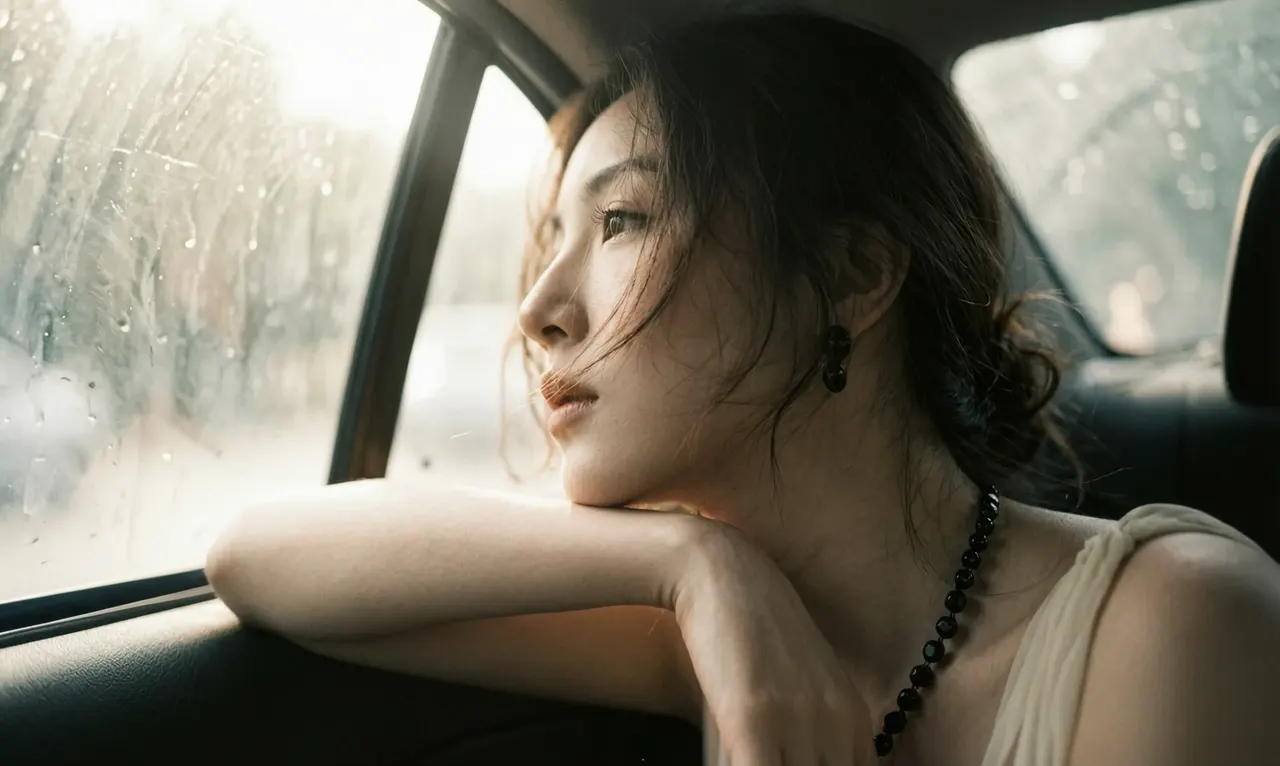 2 inputs
- First-last frames
- Steampunk builder
- 7 ordered stages
Snowy steampunk city-builder animation, fixed angled overhead camera matching the exact composition, viewpoint, camera height, and terrain bounds of reference Image1 (first frame) and Image2 (last frame). The scene is a frigid snowfield where surrounding pines, rocks, and distant snow textures remain completely stationary. The sequence starts from a lone furnace at the center of an empty snowfield and ends with a completed steampunk village and a train pulling into the station. Visual style is a refined game cutscene with strong warm-cool contrast between cool blue snowfield ambient light and fiery orange-red heat from the furnace. Overall motion is an orderly, mechanical construction process emerging from nothing—clean, structured, and never chaotic explosive growth. The site is a flat clearing on a frozen snowfield. At the start, only the furnace stands at frame center: a dark cylindrical metal structure puffing white steam from its top chimney with orange-red fire glowing inside its grate. Heat from the furnace casts a warm circular halo onto the snow, gradually fading into the cold blue snowfield. Snow pines and rocks at the edges and distance stay fixed in place. All subsequent structures radiate outward from the furnace to form a rectangular steampunk village. Shot 01, fixed overhead establishing shot. Camera holds a high angled overhead wide framing with the furnace centered. At the start there are no other buildings, no perimeter walls, no tracks, no platform, and no train—only the furnace burning alone, warming the snow around it as white steam drifts steadily upward. Lit snow glows soft warm tones while distant snow stays cool blue. Audio bed: freezing wind, low furnace rumble, faint metallic vibration, and steam pressure hiss. Hold briefly only to establish the furnace as the village core. Shot 02, first ring of buildings spawns. Camera remains locked at the exact angle. Faint golden blueprint construction lines glow across the snow around the furnace, expanding outward like mechanical schematics. Timber cabins nearest the furnace form first—foundations emerge from under the snow, walls snap cleanly together, roofs drop into place, and chimneys rise. On the opposite side a workshop builds more slowly: metal frame first, then brick walls, gears, pipes, and a small chimney. A warehouse builds rapidly, wooden beams, sidewalls, and pitched roof assembling in quick sequence. Each structure builds at a distinct pace—some popping up briskly, others assembling layer by layer or framing before detailing—never spawning simultaneously like copy-paste duplicates, maintaining clear build order and hierarchy. Shot 03, second ring expands outward. Radiating from the furnace, more steampunk buildings appear in the outer ring. A power tower rises slowly on one flank, metal trusses locking section by section upward until its blue energy core lights up at the apex. Additional small workshops and cabins appear across varied plots, filling in roofs, window frames, porches, and chimneys in sequence. Steam pipes snake outward from the furnace base like metallic arteries linking each building; some pause mid-run before connecting cleanly into their target structure. Generating buildings push snow aside to reveal wooden boardwalks, flagstone paths, and metal foundations, accompanied by crisp metallic snaps, timber thuds, meshing gears, and steam vents. The village grows bustling yet remains crisp and orderly. Shot 04, inner village completes. Holding the same overhead viewpoint with at most an imperceptibly gentle pull-back to reveal the full rectangular town outline, the furnace remains the center and brightest heat source. All interior structures finish—cabins, workshops, warehouses, power tower, steam pipes, and paths tightly arranged around the furnace. Warm lights flicker on inside windows one by one, chimneys begin smoking, and machinery starts turning. Packed trails and wooden deck edges appear in the snow. Do not shift the pines or rocks, and do not let buildings swallow natural landmarks. Inside the town is now complete, with no outer wall yet. Shot 05, perimeter wall construction. Along the rectangular border, defensive walls begin building—not all at once, but rapidly segment by segment starting from the four corners and gatehouse positions. Corner tower bases appear first, followed by timber-and-metal walls rising, then parapets, buttresses, and steam lamps. Walls extend along the rectangular perimeter from both sides until sealing at the front gatehouse and corner towers. The wall builds faster than interior houses while clearly showing each segment lock into place. As the wall closes, lamps along the gatehouse light one by one, sharply defining the town border, backed by heavy timber thuds, metallic rivet locks, and mechanical gate latches. Never let the wall appear before the interior buildings finish. Shot 06, railway tracks and platform build. Once the wall is complete, two parallel dark tracks begin forming on the snowfield outside the upper edge. Rails extend from the distant upper frame toward the side of the village—wooden ties drop onto the snow one by one and steel rails lock cleanly atop them. Beside the tracks, the train platform forms: timber deck foundations first, then platform edges, canopy frame, lamp posts, and a small steam signal lamp, linking clearly to the village entrance. Tracks and platform press real indentations into the snow with displaced snowbanks pushed along the edges. Track laying flows linearly like a route unrolling from afar. Never let the train appear before tracks and platform are fully built. Shot 07, steam train arrives. After tracks and platform are complete, a steam locomotive emerges from the upper distance, driving decisively along the tracks toward the station. Thick white steam billows from its stack, drive wheels and connecting rods turn cleanly, and dark metal-and-wood steampunk carriages follow behind. The train decelerates smoothly, venting a big plume of steam as it nears the platform. Station lamps illuminate and the signal switches from cool to warm. The train glides to a smooth halt alongside the platform, wheels stopping and steam drifting outward to both sides. The furnace keeps burning at the village center; all buildings, walls, tracks, platform, and train compose the completed final frame. End on a stable overhead composition of the finished town and docked train. Physical effects must stay clear throughout: furnace orange heat lighting the snow, rising white steam, cool-to-warm snow transition, foundations emerging from snow, planks and steel trusses snapping together, chimneys rising one by one, steam pipes extending in stages, window lights turning on sequentially, wall segments closing, railway ties dropping one by one, displaced snow ridges along edges, spinning train wheels, and vented steam dispersing in cold air. Lighting begins with the furnace as the sole warm source against cool blue snow, then windows, steam lamps, and signal lamps gradually add warm point lights until the central furnace, windows, wall lamps, and station form a glowing warm heart; as the train arrives, its headlamp sweeps warm light across the snow and illuminates steam plumes. Maintain crisp overhead game-cinematic quality, high detail, sharp building edges, and clean snow texture. Do not alter camera angle or framing; do not let pines, rocks, or terrain drift; do not spawn all buildings simultaneously; do not build walls before interior buildings, tracks before walls, or the train before tracks and platform; no clipping, overlapping, or floating buildings; no buildings disappearing or jumping positions; no derailing train or train passing through buildings or stopping off-platform; no flicker, frame jumps, camera shake, or angle cuts; no character close-ups; no text, watermarks, UI buttons, or game HUD.

 2 inputs
How to write a Wan 3.0 prompt
Four ways to build a prompt, adapted from the official handbook.
Basic
Subject + scene + motion
Who or what, where, and what it does. Enough for a first try, and it leaves room for the model to improvise.
Advanced
Subject + scene + motion + aesthetic control + style + sound
Add lighting, shot size, angle and camera moves, a named visual style, and the audio. Describe motion by size and speed ("slowly", "violently") and say what it affects.
Image or first frame
Motion + camera
The picture already fixes subject, scene and style, so write only what moves and how the camera follows.
Sound
Voice + sound effects + music
Give each line of dialogue or narration and describe the voice (low and rough, cute), then the effects and the background music.
What the examples show
- Time-box long clips. The 30-second prompts split into shots or segments with a time range each, such as "Segment 1 [0-5 s]" or "(0:00 - 0:03)".
- Mark sound in the prompt. Sound effects go in angle brackets, <footsteps on wood>, and spoken lines in curly braces, {Let us go}.
- Number your references. Call files Image1, Video1 and Audio1 (or 图1 in Chinese), in the order you pass them.
- Name the change, then lock the rest. Edit prompts state one change and close with what stays: "the woman's movement and everything else stay unchanged".
- Mind the 30-second ceiling when extending. Input plus output length stays within 30 seconds, so extending a 15-second clip by 15 seconds fills it.
FAQ
- Are these Wan 3.0 prompts free to use?
- Yes, the prompts are free to copy, edit and run. The sample videos are Alibaba's, published in its public handbook: treat them as reference, not as footage of your own, and read Alibaba's terms before reusing them. For clips you generate, make sure you may use whatever you upload.
- Do I need to write prompts in Chinese?
- No. Wan 3.0 takes Chinese and English prompts of up to 20,000 characters. The official text is Chinese; the English, Traditional Chinese, Korean and Japanese versions here are translations, and Copy gives the version in your site language.
- How do I pass reference images, videos and audio through the API?
- Send HTTPS URLs in reference_image_urls (up to 10), reference_videos (up to 5, 1-15 s each and 15 s in total) and reference_audios (up to 5) on Wan 3.0 Reference-to-Video. Image-to-Video takes first_image_url and last_image_url. Parameters and examples are in the Wan 3.0 docs.
- What does Use do?
- It opens the right Wan 3.0 model page with the prompt filled in, and attaches the example's reference files where they fit the model's limits. Edit anything, then run it from your APIKO account.
- What does a Wan 3.0 clip cost?
- Billing is per second of output, and reference-video seconds count too. Dated prices from every provider are on the Wan 3.0 API price comparison.